The short version
- The United States has announced a ban on Canadian dairy products, alcoholic beverages, and motorcycles, effective in three weeks.
- Canada responded by imposing retaliatory tariffs on $20 billion worth of US goods, including steel, aluminum, and farm equipment.
- Prime Minister Mark Carney stated that Canada is accelerating efforts to reduce economic dependence on the United States.
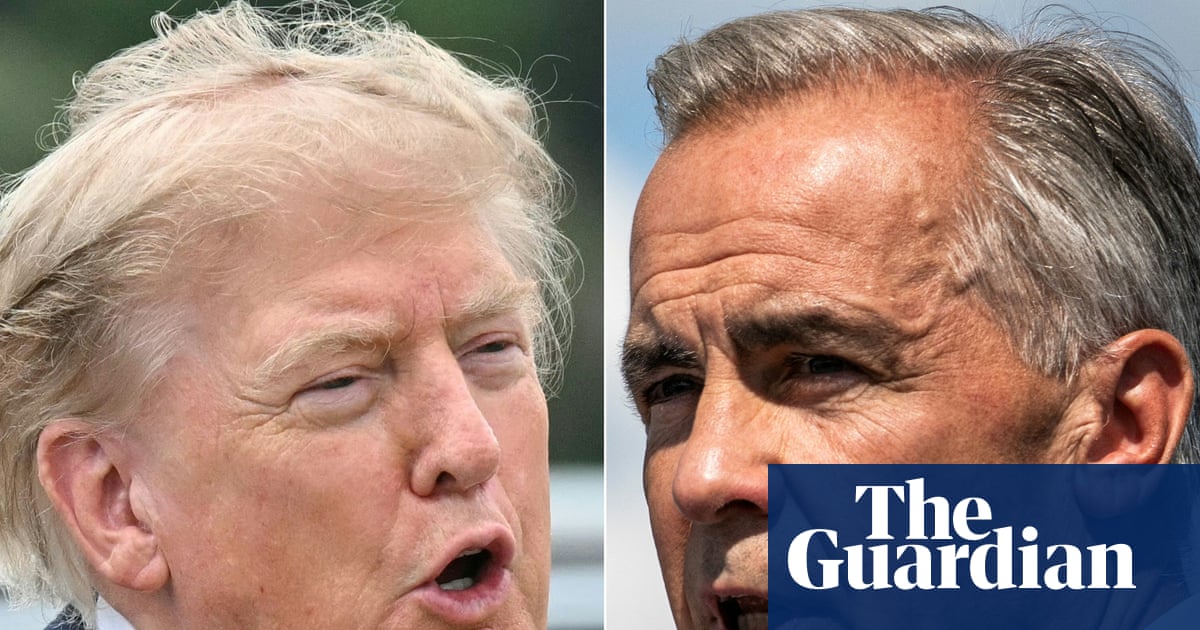
The United States has moved to prohibit the importation of dairy products, most alcoholic beverages, and motorcycles from Canada, marking a significant escalation in trade tensions between the two neighboring nations. The White House announced the measure on Tuesday, stating that the restrictions will take effect in three weeks. This action follows a series of escalating economic measures initiated by the Trump administration, which has increasingly framed its trade policy toward Canada as a matter of national security and fair reciprocity.
The ban coincides with Ottawa’s implementation of retaliatory tariffs on approximately $20 billion in American imports. These Canadian tariffs target a broad range of US goods, including steel, aluminum, cheese, appliances, clothing, cosmetics, and farm equipment. The rates applied vary between 15%, 25%, and 50%, affecting roughly 6% of the total $333.6 billion in exports that the United States sent to Canada last year. The simultaneous enforcement of these measures underscores a mutual decision to absorb economic pain rather than yield to pressure.
In addition to the consumer goods ban, President Donald Trump directed the General Services Administration to declare Canadian products ineligible for large, long-term US government contracts. This administrative move aims to exclude Canadian firms from federal procurement until Canada allows what the White House describes as full and fair reciprocity for American products. The directive expands the scope of the conflict beyond traditional tariff barriers into the realm of public sector spending, further straining commercial ties between the two countries.
The current standoff represents a dramatic deterioration in one of the world’s closest bilateral relationships. Historically, while the US and Canada have disputed trade issues such as dairy market protections and softwood lumber subsidies, they have remained staunch allies with deeply integrated economies. Under the current administration, however, relations have fractured rapidly. The US imposed 50% tariffs on about 5% of Canadian imports in late August, citing unfair treatment of American industries. These actions were accompanied by inflammatory rhetoric from Trump regarding Canada’s sovereignty, including repeated suggestions that the country should become the 51st state.
Canadian Prime Minister Mark Carney has framed the government’s response as a strategic pivot toward greater independence. He stated that the goal is to ensure no single country can hold Canada hostage and to allow the nation to live according to its own preferences. Carney, who came to power last year on a platform of standing up to US pressure, praised recent public actions such as boycotts of US goods and reduced travel to the United States as signs of national resolve. The government’s strategy focuses on building domestic capacity and diversifying trade partnerships abroad.
Some Canadian provinces have already banned the sale of certain US alcoholic products, a move that directly prompted the retaliatory US ban announced on Tuesday. This tit-for-tat dynamic highlights the difficulty of de-escalating the conflict once political commitments are made public. A Canadian official indicated that Ottawa does not intend to change course regardless of whether Trump responds with further measures or what was described as a nuclear response. The government remains focused on long-term structural changes rather than short-term concessions.
Despite the collapse of formal trade talks in late August, officials from both countries remain in contact. Gabriel Brunet, a spokesperson for Canada-US Trade Minister Dominic LeBlanc, confirmed that communication channels are open even though negotiations have not resumed. This backchannel dialogue suggests that while political posturing is intense, diplomatic mechanisms have not been entirely severed. However, the gap between public statements and private discussions remains wide, with both sides appearing unwilling to backtrack on their respective positions.
The outcome of this trade war could have implications far beyond North America. It tests whether a smaller US ally can resist significant economic pressure without being forced to yield. If Canada succeeds in maintaining its course, it may encourage other nations to adopt similar strategies against US trade demands. Conversely, if the economic impact proves too severe, it could signal the limits of resistance for countries heavily dependent on American markets. The coming weeks will likely reveal more about the durability of both governments’ commitments.
As the bans and tariffs take effect, businesses on both sides of the border face uncertainty regarding supply chains and market access. The integration of North American industries means that disruptions in one sector often ripple through others. Consumers may see price increases for dairy, alcohol, and vehicles, while manufacturers could struggle with higher costs for raw materials like steel and aluminum. The political stakes are equally high, as both leaders must balance domestic expectations for strength against the practical realities of economic interdependence.
The situation remains fluid, with no clear path to resolution in sight. Both administrations have signaled a willingness to endure short-term economic pain for long-term strategic gains. For Canada, this means accelerating efforts to diversify trade and reduce reliance on the US market. For the United States, it involves enforcing stricter reciprocity standards across its borders. The coming months will be critical in determining whether these policies lead to a new equilibrium or further fragmentation of North American trade relations.
Sources behind this briefing
Go to the original reporting
- The Guardian US Politics↗US bans Canadian dairy, alcohol and motorcycles as trade war with longtime ally escalates