The short version
- Eighteen individuals were arrested and flown to Florida to face charges related to the 2021 murder of Haitian President Jovenel Moïse.
- Federal prosecutors indicate that thirty suspects have been indicted in total, with several already serving life sentences for their roles in the plot.
- The arrests occur while Haiti remains without a president and struggles with widespread gang control ahead of planned December elections.
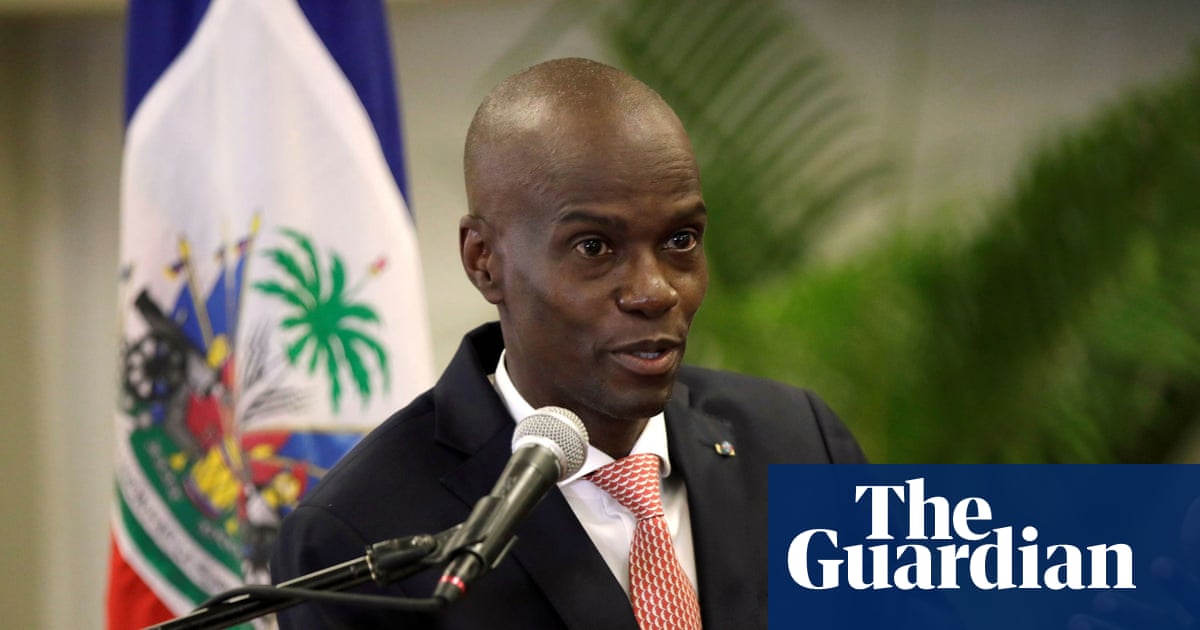
United States federal authorities have arrested eighteen individuals in connection with the assassination of Haitian President Jovenel Moïse, marking the latest significant development in a five-year investigation. The suspects were transported from Haiti to Florida aboard a military aircraft to stand trial in the Southern District of Florida. This action underscores the continued reach of American law enforcement agencies into international crimes that involve plots orchestrated on US soil or utilizing US resources.
President Moïse was killed at his private residence in July 2021 by a group of approximately twenty mercenaries trained in Colombia. The attack resulted in immediate chaos within Haiti’s political structure and has contributed to the nation’s prolonged instability. Federal officials stated that the security detail present at the scene did not intervene to protect the president during the assault. The recent arrests are part of a broader effort to hold all participants accountable for their involvement in the conspiracy.
Federal prosecutor Jason Reding Quinones announced the arrests via social media, noting that the defendants were moved to face American justice. He emphasized that the investigation remains active and that authorities are not finished pursuing those responsible. According to Quinones, thirty suspects have been indicted in US courts thus far. The jurisdiction of these courts extends to plots hatched within the United States, allowing for federal prosecution even though the crime occurred abroad.
Previous legal proceedings have already resulted in convictions for several key figures. In May, four men were found guilty in a Miami federal court on charges including conspiracy to kill or kidnap Moïse and violating the US Neutrality Act by engaging in illicit military operations overseas. These individuals were linked to CTU, a private security firm based in Florida. Prosecutors argued that the suspects were motivated by the prospect of securing lucrative contracts following the removal of the Haitian president.
The convicted men face potential life sentences for their roles in the assassination plot. Additionally, five other individuals have already been sentenced to life in prison. These include a former Colombian soldier, a former Haitian senator, a Haitian-Chilean businessman, a retired Colombian soldier, and a Haitian American. Eleven people had previously been indicted in US courts before this latest round of arrests, highlighting the complex network of actors involved in the scheme.
FBI Special Agent Brett Skiles commented on the multi-location nature of the recent arrests, stating that they demonstrate the agency’s commitment to bringing all participants in the plot to justice. The operation involved coordination across international borders to secure the suspects and ensure their transfer to the United States for trial. The use of military transport for the detainees suggests the high-priority status of this case within federal law enforcement objectives.
The political landscape in Haiti remains fractured in the wake of Moïse’s death. The country currently has no president and is preparing to hold its first presidential and legislative elections since 2016, along with a constitutional referendum. These events are scheduled for December 13, provided that security conditions permit them to proceed safely. The absence of stable leadership has exacerbated the challenges faced by Haitian authorities in restoring order.
Security conditions in Haiti continue to deteriorate, with gangs controlling approximately eighty percent of Port-au-Prince. Violent crimes such as kidnappings for ransom, armed robbery, and carjackings are prevalent throughout the impoverished nation. A UN-backed armed force, known as the Gang Suppression Force, was announced last year to assist local police in combating gang activity. However, the force has struggled to meet its staffing goals.
The UN Security Council had planned for the suppression force to reach a capacity of 5,500 uniformed personnel and 50 civilian staff between April and October. As of July, the force comprised fewer than 1,000 personnel from countries including Chad, Mongolia, Jamaica, Guatemala, El Salvador, and Sri Lanka. A UN spokesperson indicated earlier this month that the force would not be fully staffed by the planned October deadline. Recent figures on troop levels have not been disclosed, leaving uncertainty about the immediate security outlook for the upcoming elections.
Sources behind this briefing
Go to the original reporting
- The Guardian World↗More than a dozen arrested in connection with 2021 assassination of Haitian president