The short version
- Leaders are meeting with low expectations for concrete agreements, reflecting ongoing stalemates in trade and geopolitical disputes.
- Artificial intelligence safety has emerged as a focal point, with US officials proposing dialogue mechanisms despite differing views on regulatory needs.
- A temporary trade truce expires soon, but Washington appears unwilling to offer long-term tariff relief without securing leverage over critical mineral supplies.
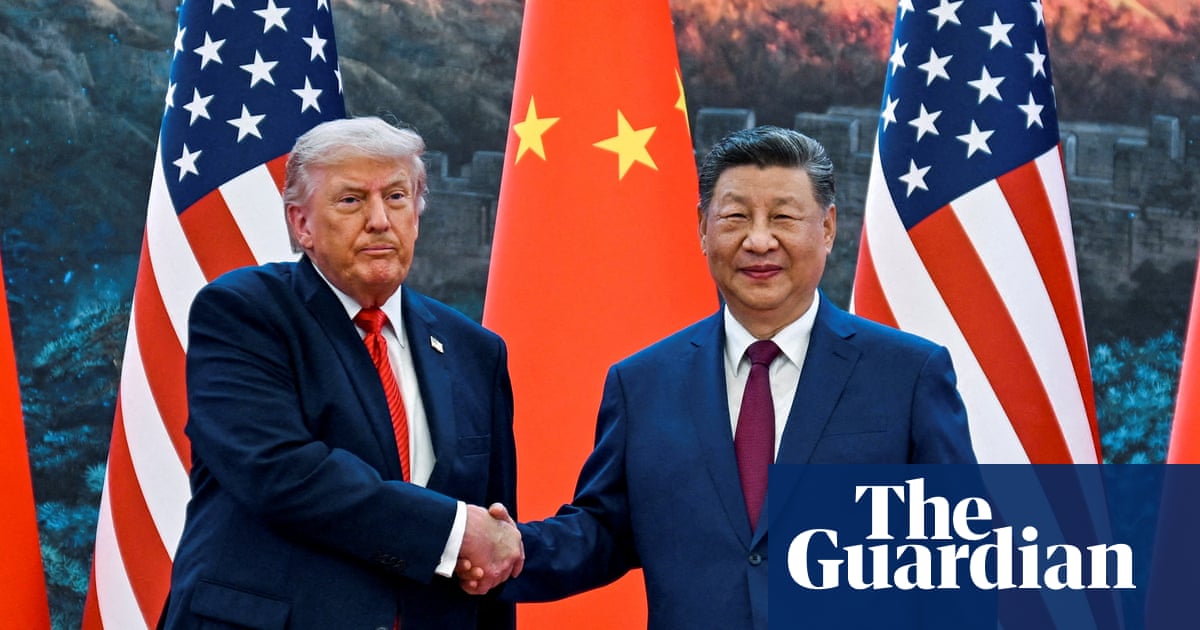
Chinese President Xi Jinping arrived in Maryland this week for a state visit that marks his first trip to the United States since 2015. The summit represents the second face-to-face meeting between the leaders of the world’s two largest economies this year, following a May gathering in Beijing where discussions centered on establishing strategic stability. Despite the diplomatic overtures and reported warmth between President Donald Trump and Xi, analysts anticipate minimal tangible outcomes from these talks. Bonnie Glaser, a managing director at the German Marshall Fund, noted that expectations are exceptionally low, with few observers using terms like deliverables to describe potential results.
The backdrop for this engagement is characterized by persistent friction across multiple domains. The two nations remain deeply divided on issues ranging from export controls to broader geopolitical alignments. While the May summit fostered a degree of goodwill, it did not resolve fundamental disagreements. Consequently, the current meeting is viewed less as an opportunity for breakthrough diplomacy and more as a necessary channel for managing ongoing tensions. The personal rapport between the leaders has been evident, with reports suggesting Trump desires a warm reception, including a potential embrace, yet this interpersonal dynamic has not translated into policy convergence.
One area where consensus might be reached involves the governance of artificial intelligence. Tech industry leaders from major American companies, including Amazon, Alphabet, OpenAI, Apple, Tesla, Meta, and Nvidia, are scheduled to attend a White House state dinner alongside government officials. This gathering underscores the significance of AI in the bilateral relationship. In recent weeks, US Treasury Secretary Scott Bessent concluded negotiations with Chinese Vice Premier He Lifeng by proposing the establishment of an intergovernmental dialogue mechanism focused on AI safety. This proposal aims to create channels for communication similar to those established between the US and Soviet Union during the Cold War, a comparison echoed by UN Secretary General António Guterres.
However, significant disparities remain in how each nation perceives the risks and benefits of artificial intelligence development. The United States has expressed concerns about the rapid pace of AI advancement while simultaneously emphasizing the need to maintain its technological lead over China. President Trump has explicitly rejected calls to slow down domestic AI progress, asserting that whoever wins the race in this sector will win globally. Conversely, Chinese officials have criticized US efforts to impede their technological growth as fearmongering and counterproductive to global governance. Beijing argues that confrontation only disrupts the development of international standards.
China has implemented its own regulatory measures regarding AI, including mandates for labeling generated content and restrictions on children’s access to AI companions. These steps align with broader efforts by the Chinese Communist Party to maintain strict control over information flows. Yet, Chinese policymakers view many US calls for safety standards as attempts to suppress their economic and technological rise. Amanda Hsiao of Eurasia Group highlighted that deep-seated distrust hinders cooperation, with Beijing interpreting American regulatory pushes as strategic moves to limit China’s development rather than genuine safety concerns.
Trade remains a contentious issue on the agenda. A temporary truce in the ongoing trade war, agreed upon last year during a summit in South Korea, is set to expire in November. This arrangement included a pause on tariffs and an agreement for China to ease restrictions on rare earth exports. Beijing is seeking a longer-term commitment to eliminate tariffs, which pose a significant threat to its export-driven economy. However, Washington appears reluctant to agree to any measures that might weaken its future bargaining position. US officials view the current leverage as essential for ensuring access to critical materials needed by American industries.
The economic landscape further complicates negotiations. Despite the trade conflicts, China’s exports have surged, positioning the country to achieve a one trillion dollar trade surplus for the second consecutive year. This economic resilience may reduce Beijing’s urgency to negotiate favorable terms with Washington. Meanwhile, the US continues to enforce restrictions on the sale of advanced semiconductors and has banned the import of certain Chinese humanoid robots, actions that Beijing perceives as attempts to curb its growth. These measures reinforce the cycle of distrust that defines the current relationship.
Looking ahead, the expiration of the trade truce in November looms as a critical juncture. Without a new agreement, tariffs could resume, potentially reigniting economic tensions. The issue of Taiwan has also shifted since the May meeting, adding another layer of complexity to the bilateral dynamic. As both nations navigate these challenges, the focus remains on managing competition rather than achieving reconciliation. The upcoming weeks will reveal whether the proposed AI dialogue mechanisms can serve as a stabilizing force or if they too will fall victim to the broader geopolitical stalemate.
Sources behind this briefing
Go to the original reporting
- The Guardian US Politics↗AI looms large over Trump-Xi meeting amid deep distrust between US and China