The short version
- Nine fatalities have been confirmed in eastern Japan following historic rainfall that submerged over a thousand homes in Chiba prefecture.
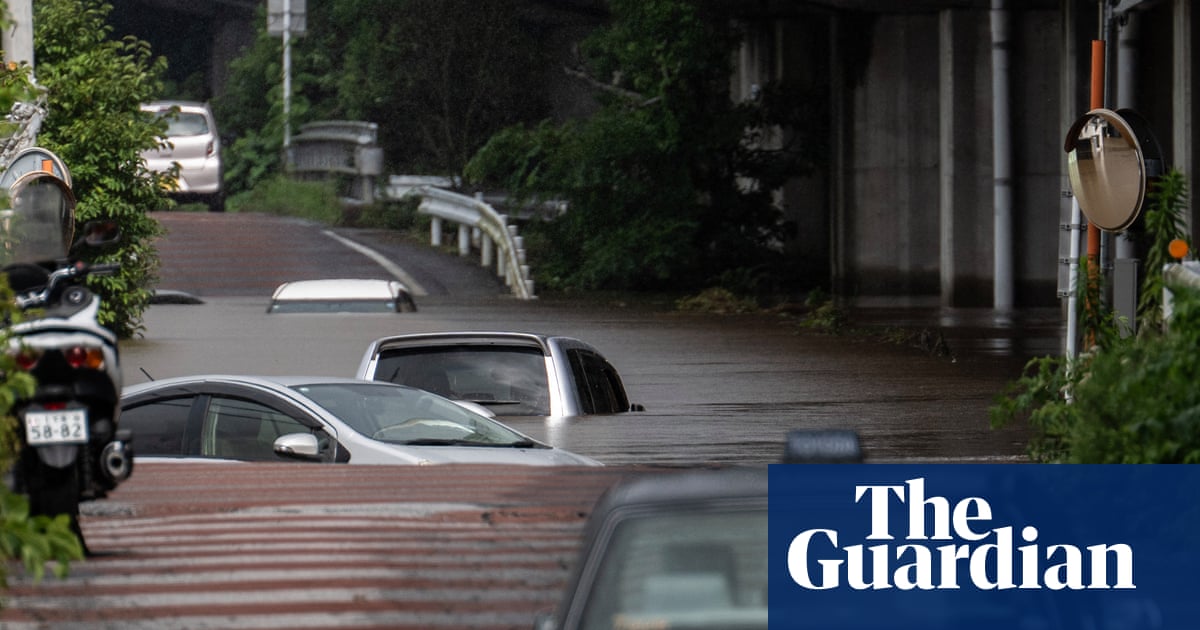
- Emergency services are managing widespread infrastructure damage, including hundreds of partially destroyed houses and thousands of abandoned vehicles on flooded roads.
- Meteorological officials describe the event as unprecedented for the region, noting that August rainfall totals have tripled typical levels within just a few days.
Eastern Japan is grappling with the aftermath of severe flooding that has claimed at least nine lives and disrupted daily life across Chiba prefecture. The crisis began late Thursday when torrential downpours struck the region, triggering landslide warnings and causing widespread power outages. By Sunday morning, public broadcaster NHK confirmed the death toll, citing its own internal tally which reflects the grim reality of an emergency that has overwhelmed local resources. The scale of the disaster is underscored by the fact that more than one thousand households reported flooding, with nearly six hundred experiencing water levels that rose above floorboards.
The intensity of the weather event has been described as historic by local authorities and meteorologists alike. A weather station in Chiba recorded approximately 300 millimeters of rain within a single twenty-four-hour period. This volume represents nearly twelve inches of precipitation, marking the wettest August for the area in sixty years. According to Japan’s land ministry, the city of Chiba alone had logged more than three times the rainfall typically seen during the entire month of August by Friday morning. Such rapid accumulation has left little time for residents to prepare or evacuate effectively.
The human cost of the deluge is evident in the specific circumstances surrounding the fatalities. Reports indicate that some victims were found trapped inside submerged vehicles, while others were discovered on flooded streets. As of Saturday evening, Chiba’s disaster management office had listed eight deaths, a number that rose to nine by Sunday. These figures highlight the immediate dangers posed by rising waters and the difficulty emergency responders face in reaching those in need during such extreme conditions. The loss of life serves as a stark reminder of the vulnerability of urban infrastructure when confronted with weather patterns that exceed historical norms.
Beyond the loss of life, the physical damage to property and transportation networks is extensive. Local media reports indicate that an estimated 1,200 cars remain abandoned on roads throughout the region. Authorities are currently working to tow these vehicles or use jacks to move them, a labor-intensive process that underscores the severity of the flooding. In addition to the stranded automobiles, more than seventy houses across the Chiba region have been partially destroyed by the rain. The destruction of homes and the disruption of rail services have compounded the distress for residents who are already dealing with power outages and limited access to essential services.
Meteorological officials have emphasized the unusual nature of this weather event. An official from Japan’s meteorological agency stated during a news conference on Thursday that the situation was shaping up to be an unprecedented level of heavy rain. This assessment led to the issuance of the highest-level heavy rain warning for the Chiba region, a measure taken for the first time in recent history. The decision to issue such a high alert reflects the confidence among forecasters that the rainfall would exceed standard thresholds and pose significant risks to public safety. Despite these warnings, the speed and intensity of the downpours caught many off guard.
The broader context of this disaster points to long-term environmental trends. Scientists have noted that human-driven climate change is contributing to more frequent, prolonged, and intense extreme weather events globally. The situation in Chiba serves as a localized example of these global shifts, where historical weather patterns are being disrupted by rising temperatures and changing atmospheric conditions. While individual storms cannot be directly attributed to climate change, the increasing frequency of such extreme precipitation events aligns with scientific predictions about the future of weather systems in a warming world.
As cleanup efforts continue, the focus remains on restoring basic services and supporting affected communities. The sheer volume of water that has inundated homes and streets will require significant time and resources to clear. Residents are likely to face prolonged disruptions as authorities work to assess structural damage, repair power lines, and remove debris from roads. The psychological impact of the disaster is also a concern, particularly for those who lost loved ones or their homes. Community support systems will be crucial in helping residents navigate the recovery process.
Looking ahead, this event may prompt a reevaluation of flood management strategies in eastern Japan. The unprecedented nature of the rainfall suggests that existing infrastructure may not be adequately prepared for similar future events. Policymakers and urban planners may need to consider more robust measures to protect against extreme weather, including improved drainage systems and stricter building codes in flood-prone areas. The lessons learned from this crisis could inform broader efforts to enhance resilience against climate-related disasters.
The response to the disaster has been marked by a sense of urgency and coordination among various agencies. From the initial issuance of warnings to the ongoing rescue and recovery operations, multiple entities have worked together to mitigate the impact of the flooding. However, the scale of the challenge remains daunting, with many questions still unanswered regarding the full extent of the damage and the long-term effects on the region. The coming weeks will be critical in determining how effectively the community can rebuild and adapt to the new realities of extreme weather.
In summary, the torrential rain in eastern Japan represents a significant test for local resilience and emergency preparedness. The combination of record-breaking rainfall, widespread flooding, and infrastructure damage has created a complex humanitarian situation. As the region begins the long process of recovery, the event serves as a poignant reminder of the growing threats posed by climate change and the need for proactive measures to safeguard communities against future disasters.
Sources behind this briefing
Go to the original reporting
- The Guardian US↗Torrential rain and flood kill nine in Japan amid wettest month in decades

