The short version
- Sightings of bogong moths have surged significantly this year compared to previous periods, with September reports exceeding the total count from all of last year.
- Experts attribute the increase to favorable weather conditions but warn that long-term recovery remains uncertain due to climate variability and historical population crashes.
- The insects play a vital ecological role as pollinators and food sources for endangered mammals, prompting calls for public assistance in monitoring and protection.
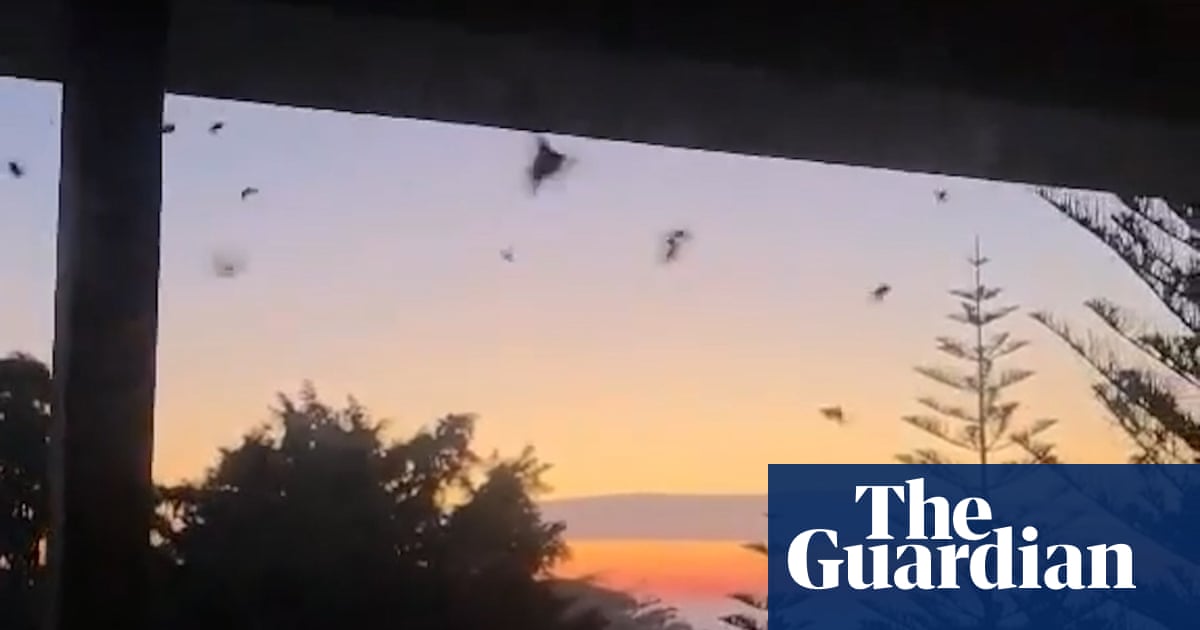
Residents across New South Wales have reported unexpected and dense swarms of bogong moths in recent days, marking a significant shift for an insect species that has struggled with severe population declines. These sightings, concentrated heavily in coastal areas and the Australian Capital Territory, represent a stark contrast to the scarcity observed in previous years. Citizen science platforms such as Bogong Watch and Moth Tracker have recorded hundreds of observations over a single weekend, indicating a widespread phenomenon rather than isolated incidents.
The scale of this year’s activity has surprised researchers who had noted gradual improvements in recent months. Dr. Marissa Parrott, a reproductive biologist at Zoos Victoria, described the current data as unprecedented, noting that September alone generated more sightings than the entire previous calendar year. Linnea Emneby, project manager for Bogong Watch, echoed this sentiment, stating that while numbers had risen over the last two years, the current volume has far exceeded prior expectations. Volunteers monitoring migration routes near Mount Kosciuszko reported particularly high densities, with some individuals counting more than two hundred moths in a single evening.
This surge is occurring against a backdrop of catastrophic decline for the species. Between 2017 and 2019, bogong moth populations collapsed by an estimated ninety-nine point five percent, dropping from billions of annual migrants to critically low levels. Historically, these insects were so abundant that they would swarm into government buildings in Canberra and even create visual phenomena mistaken for weather systems during major events like the Sydney Olympics. The current resurgence suggests a potential reversal of this trend, though experts caution against declaring full recovery prematurely.
The bogong moth is unique among invertebrates for its ability to navigate using star maps, undertaking annual migrations of up to one thousand kilometers from coastal breeding grounds to cool caves in the Australian Alps. This journey allows them to escape summer heat and enter a state of estivation. The insects are ecologically significant, serving as essential pollinators and providing a critical food source for the mountain pygmy possum, another species listed as critically endangered. Their cultural importance to Indigenous Australians further underscores the significance of their return.
Weather patterns appear to be a driving factor behind the increased numbers. Researchers suggest that cooler and wetter conditions have created favorable environments for moth development and migration success. However, the situation remains complex due to broader climatic pressures. The recent record-breaking El Niño event has raised concerns about future droughts and heatwaves, which could threaten the stability of this recovery. Experts emphasize that while current trends are positive, the long-term outlook depends on how climate variability impacts breeding grounds and migration corridors in the coming years.
Geographic disparities persist in the recovery efforts. While New South Wales and the ACT have seen dramatic increases, Victoria continues to lag behind in reported sightings. This uneven distribution highlights the regional nature of environmental stressors and recovery dynamics. The moths move in waves, taking days or weeks to complete their journeys, and wind patterns can occasionally divert them off course, with some individuals even reaching New Zealand. Researchers hope that displaced insects will be able to reorient themselves using their celestial navigation skills.
Public engagement remains crucial for monitoring and protecting the species. Although bogong moths are listed as endangered by the International Union for Conservation of Nature, they do not currently hold threatened status under federal conservation laws in Australia. This legal gap underscores the importance of community-led initiatives. Experts encourage residents to turn off unnecessary outdoor lighting, avoid using insecticides, and gently release any moths that enter homes back outside. Each female can carry up to two thousand eggs, making individual survival rates highly impactful for population growth.
The insects pose no threat to property or human health, contrary to common fears associated with large insect gatherings. They do not damage clothing or structures and instead contribute positively to garden ecosystems through pollination. As the migration continues, scientists are closely tracking data to determine whether this surge represents a sustainable rebound or a temporary fluctuation. The coming months will provide critical insights into the resilience of this iconic species and the effectiveness of current conservation strategies.
Sources behind this briefing
Go to the original reporting
- The Guardian World↗‘Thrilled’: huge swarms of bogong moths surprise NSW residents and may point to species’ recovery

