The short version
- The University of Mississippi is investigating an incident after a video surfaced showing two white students making monkey-like gestures and noises toward Black neighbors.
- One student involved issued an apology through legal representation, denying racial intent while acknowledging the behavior was unacceptable and requesting privacy amid harassment claims.
- University officials condemned the actions as racist and disrespectful, emphasizing that such conduct has no place in the campus community while offering support to affected students.
The University of Mississippi has initiated a formal investigation following the release of a surveillance video that depicts two white female students making offensive gestures and noises associated with racial slurs. The incident, which was captured on a Ring doorbell camera, has drawn widespread condemnation and renewed scrutiny regarding racial climate on campus. The video shows one individual thumping her chest and vocalizing in a manner resembling primate sounds, while another joins in to mimic the behavior. This footage was recorded at an apartment complex where the students reside as neighbors to three Black undergraduates.
The clip gained significant traction after Jakiyra Metcalf, a freshman who lives with two Black roommates, uploaded the recording to TikTok on Saturday. The post quickly accumulated millions of views, sparking intense debate about racial insensitivity and safety in residential college settings. Metcalf’s mother, Tasha Bolton, expressed profound distress over the event, describing the behavior as disgusting and unacceptable. She emphasized that higher education institutions should serve as environments where young adults can learn and feel secure, rather than facing harassment from those living nearby.
One of the students identified in the video, Alaina Kunes, released a statement through a Chicago-based law firm addressing the controversy. In her remarks, Kunes apologized to the women involved but maintained that her actions were not motivated by racial animus. She stated she would never intentionally direct such behavior toward a person of color and expressed hope for forgiveness. Kunes also highlighted the personal toll of the incident, noting that she and her family have faced death threats and harassment since the video went viral. She requested privacy for her family while affirming her commitment to cooperating with university authorities.
University leadership responded swiftly to the growing public outcry. Shawnboda Mead, the vice-chancellor for student affairs, issued a statement on Sunday condemning the video and reaffirming the institution’s stance against racism. Mead asserted that every student deserves to feel safe, respected, and valued, and declared that actions disparaging individuals based on identity have no place in the campus community. She also advised students to refrain from spreading unverified information regarding the identities of those involved, aiming to prevent further escalation or misinformation during the ongoing inquiry.
The administration has reached out to the students affected by the incident to provide support and listen to their concerns. However, a university spokesperson did not respond to inquiries regarding the current enrollment status of the individuals in the video or whether any disciplinary measures had been implemented as of Tuesday. The lack of immediate clarity on consequences has left many observers waiting for further developments from the school’s internal review process.
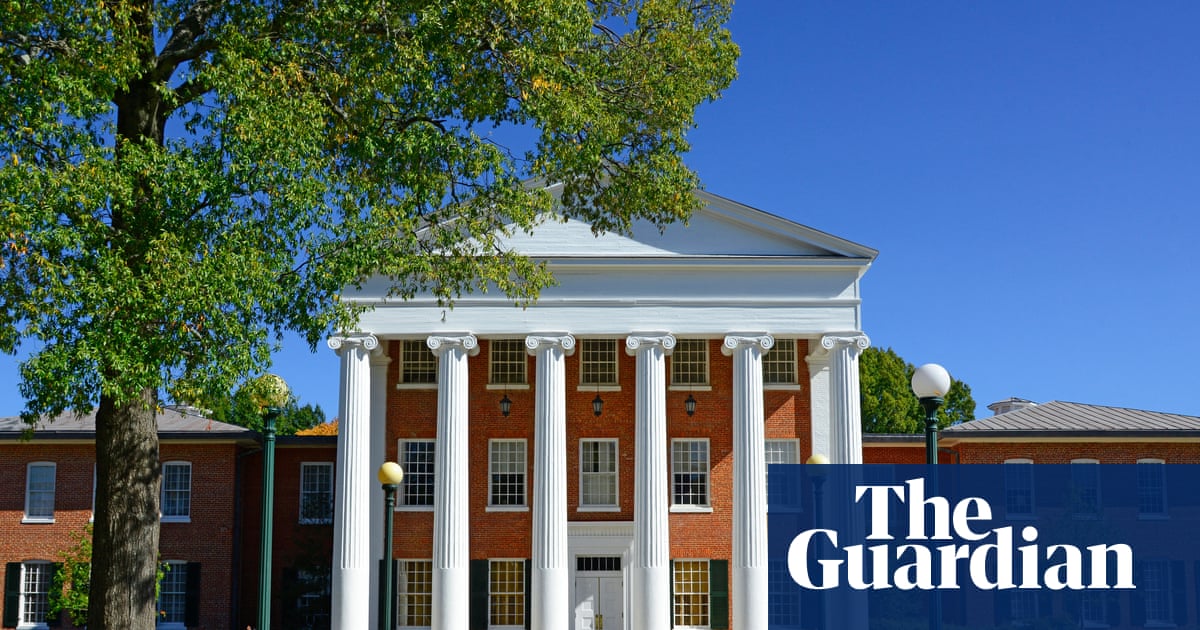
This incident occurs against a backdrop of historical racial tensions at the University of Mississippi. The campus has experienced notable episodes of racism in recent years, including a 2014 event where fraternity members hung a noose around a statue commemorating the school’s first Black student. More recently, during a pro-Palestine demonstration, counter-protesters directed monkey noises at a Black female protester. These past events underscore persistent challenges the university faces in fostering an inclusive environment free from racial hostility.
The current situation highlights the complex interplay between social media amplification and campus governance. While the video has brought national attention to the specific incident, it also raises broader questions about how institutions address subtle yet harmful forms of discrimination. The university’s decision to investigate signals a commitment to accountability, though the outcome remains uncertain. As the inquiry proceeds, the focus remains on ensuring the safety and well-being of all students while navigating the legal and social implications of the viral footage.
For now, the community awaits further details from the university regarding the findings of the investigation and any potential sanctions. The incident serves as a stark reminder of the ongoing struggle for racial equity in higher education. As stakeholders process the events, the emphasis is on learning from this ordeal and implementing measures to prevent similar occurrences. The resolution will likely influence how the university handles future reports of discriminatory behavior and reinforces its policies on student conduct.
The family of Jakiyra Metcalf has chosen not to speak publicly about the ordeal beyond initial statements, preferring to maintain privacy during this difficult time. This decision reflects a desire to shield their daughter from further media scrutiny while allowing the university to handle the matter internally. The silence from the affected party contrasts with the public nature of the video and the subsequent apologies, creating a dynamic where the victims’ voices are less prominent than those of the accused or institutional representatives.
As the story develops, attention will likely shift toward the university’s long-term strategies for addressing racial bias. The incident may prompt reviews of residential life policies, diversity training programs, and reporting mechanisms for students who experience harassment. The outcome of this investigation could set a precedent for how similar cases are managed in the future, influencing both campus culture and external perceptions of the institution’s commitment to inclusivity.
Sources behind this briefing
Go to the original reporting
- The Guardian World↗Two white students at University of Mississippi make monkey gestures in Ring video