The short version
- A non-student individual has been banned from the University of Chicago campus after a woman reported being sexually assaulted at a nearby fraternity house.
- Police reports indicate the victim was found partially undressed and not fully conscious, with friends initially blocked from entering the bathroom where the incident occurred.
- The case adds to growing pressure on university Greek organizations nationwide, following recent suspensions of fraternity activities at Cornell University and the University of Arizona.
A non-student individual has been banned from the University of Chicago campus following a report of sexual assault at a fraternity house located near the university. The incident, which allegedly occurred early Sunday morning, has drawn attention to ongoing concerns regarding safety and conduct within Greek life organizations across the United States. University officials confirmed on Wednesday that a person of interest had been identified and removed from campus privileges, though no arrests have been made.
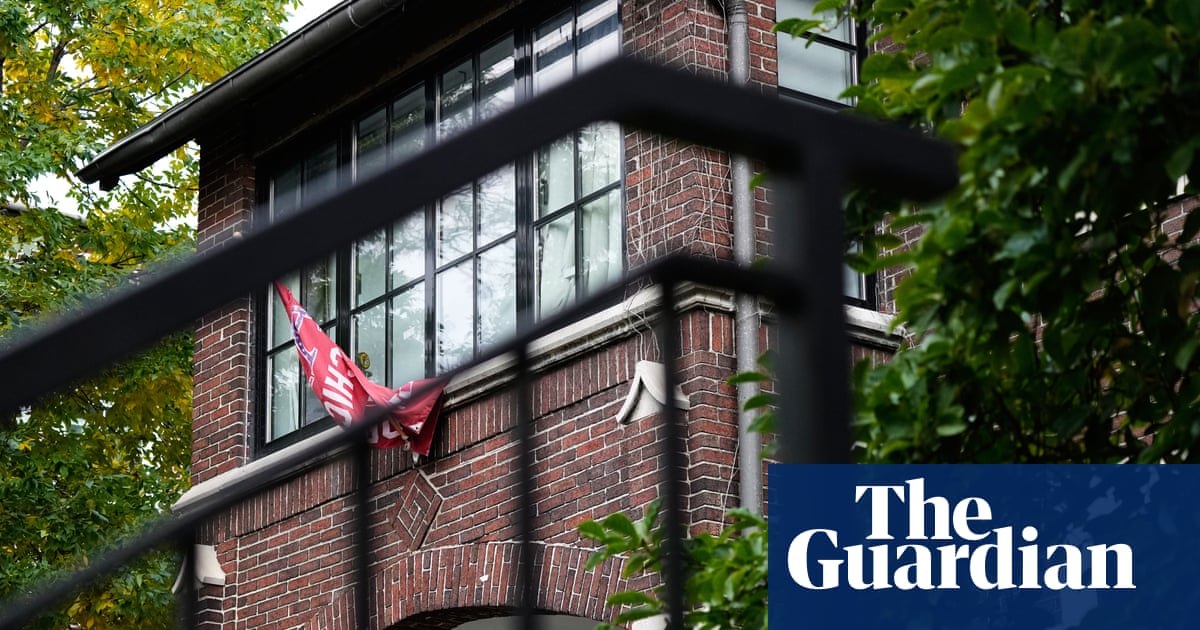
According to a daily crime log maintained by the university, the alleged assault took place at approximately 1:30 a.m. at the off-campus residence of Alpha Epsilon Pi. A police report obtained by local media outlets details the account of a 21-year-old woman who stated she was not fully conscious when discovered partially undressed inside a bathroom with a semi-nude man. The report further indicates that a group of individuals initially prevented her friends from entering the bathroom, raising questions about the circumstances surrounding the victim’s isolation.
Chicago police confirmed on Wednesday afternoon that an investigation remains active but emphasized that no one is currently in custody. While the university has acted swiftly to ban the identified individual from campus grounds, the broader legal and disciplinary processes are still underway. The lack of immediate arrests reflects the preliminary stage of the inquiry, as law enforcement continues to gather evidence and interview witnesses.
Representatives for Alpha Epsilon Pi have denied any involvement by its members in the alleged assault. Jonathan Pierce, a spokesperson for the fraternity, stated that there is no evidence suggesting chapter members participated in or were aware of the incident before it was reported. He highlighted the presence of several sober monitors during the party, including the chapter’s safety officer, who allegedly provided assistance to the victim once she made her report.
Pierce described efforts by fraternity members to aid the woman after she expressed that she was cold while waiting for emergency responders outside the residence. Members reportedly offered food, water, and a shirt to the victim. The spokesperson expressed satisfaction that an alleged assailant had been identified and voiced hope that the victim would find some comfort in the pursuit of justice. This defense contrasts sharply with the gravity of the allegations and the public outcry surrounding similar incidents at other institutions.
The timing of this report coincides with a period of heightened national scrutiny regarding fraternity conduct. In 2024, a harrowing allegation of gang rape at a Cornell University fraternity house sparked widespread criticism of the Ivy League institution’s handling of the case. New York state prosecutors have since reopened their investigation into that matter, reflecting sustained pressure on universities to address sexual misconduct more rigorously.
In response to mounting backlash, Cornell University suspended all fraternity parties for the remainder of the academic year while it assesses the safety protocols of its Greek societies. Similarly, the University of Arizona recently halted all fraternity activity following multiple allegations of hazing and physical assault. These accusations included claims that a Greek organization coerced recruits into binge drinking and swallowing live goldfish, illustrating the diverse and severe nature of misconduct under review.
As these cases unfold, universities are grappling with how to balance student autonomy with institutional responsibility for safety. The University of Chicago’s decision to ban the non-student suspect represents an immediate administrative response, but it does not resolve the broader questions about oversight and culture within Greek organizations. The ongoing investigations at Chicago, Cornell, and Arizona suggest a shifting landscape where institutions are increasingly compelled to take decisive action against alleged misconduct.
The convergence of these events underscores a national reckoning with fraternity culture. While each case presents unique facts and legal challenges, the cumulative effect is a renewed focus on accountability. Stakeholders, including students, administrators, and law enforcement, are navigating complex dynamics as they seek to prevent future harm and ensure that victims receive appropriate support and justice.
What comes next depends largely on the outcomes of these separate investigations. Legal proceedings may take months or years, while university disciplinary actions could result in further sanctions against specific chapters or broader policy changes. The public remains watchful, expecting transparency and meaningful reform from institutions that have historically struggled to address systemic issues within Greek life.
Sources behind this briefing
Go to the original reporting
- The Guardian World↗Sexual assault reported at frat house near University of Chicago