The short version
- The US State Department designated nine state-owned industrial companies and officials linked to the Cuban Institute of Friendship with the Peoples for new sanctions.
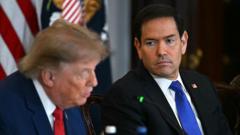
- Secretary of State Marco Rubio cited efforts to export political ideology and engage in subversive activities as justification for the measures.
- Cuban authorities condemned the action as an attempt to punish the population and worsen critical shortages in basic services.
The United States has implemented a fresh wave of economic sanctions against specific Cuban state-owned enterprises and government officials, marking an escalation in diplomatic pressure on the island nation. Secretary of State Marco Rubio announced that nine firms operating in the mining, metal, and construction sectors are now subject to these restrictions. Additionally, the Ministry of Construction and individuals associated with a prominent international relations institute have been added to the list of sanctioned entities. This move represents a targeted effort to constrain specific pillars of the Cuban economy while signaling broader disapproval of the government's foreign policy direction.
Official justification for the sanctions centers on allegations that the targeted individuals and organizations are engaged in activities deemed hostile to American interests. Rubio characterized these actions as part of a sustained campaign to spread Marxist ideology and foster racial resentment globally. The statement further accused the designated figures of facilitating networks that support regime officials, particularly noting coordination around events commemorating the centennial of former leader Fidel Castro’s birth. The administration framed the designations as a necessary response to what it describes as decades-long efforts to undermine regional stability and fund domestic repression.
A significant portion of this latest round of penalties focuses on the Cuban Institute of Friendship with the Peoples, an organization established in 1960 to cultivate ties with sympathetic groups worldwide. The institute has historically hosted activists from various countries who subsequently promote pro-Havana campaigns within their home nations. US officials accused the group’s leadership of misleading American citizens through deceptive practices and alleged espionage techniques. Among those specifically targeted is Fernando Gonzalez Llort, the institute’s president, who was previously part of a prisoner exchange during earlier diplomatic engagements between Washington and Havana.
The Cuban government has strongly rejected the new measures, framing them as punitive actions designed to inflict further harm on an already struggling economy. Foreign Minister Bruno Rodríguez criticized Rubio’s announcement via social media, arguing that the sanctions obstruct the state’s ability to provide essential services to its citizens. He emphasized that the population is already facing critical conditions due to what he describes as a long-standing blockade. This rhetoric aligns with Havana’s consistent stance that external economic pressures are primarily responsible for the country’s internal hardships rather than domestic policy failures.
These diplomatic developments occur against a backdrop of severe infrastructure challenges within Cuba, particularly regarding energy supply. The United States has maintained an effective restriction on oil exports to the island since the beginning of the year, exacerbating issues related to aging electrical grids that depend heavily on imported fuel. Hospitals and other critical facilities have increasingly relied on emergency generators to maintain operations during frequent power outages. This reliance on backup systems highlights the fragility of public services and underscores the immediate impact of supply chain disruptions on healthcare delivery.
The combination of energy shortages and economic strain has led to unusual displays of public dissent in a country where such expressions are typically met with severe legal consequences. Rare protests have emerged following multiple nationwide power cuts, indicating growing frustration among residents who face daily disruptions to their lives. These demonstrations represent a significant shift from historical patterns of political conformity and suggest that the cumulative effect of economic sanctions and infrastructure decay is reaching a breaking point for some segments of the population.
The tourism sector, which has served as a vital source of foreign currency for the Cuban government, continues to experience a sharp decline. This downturn coincides with increased pressure from US policy initiatives aimed at isolating Havana economically. The reduction in visitor numbers limits the state’s ability to generate revenue needed for imports and maintenance of public infrastructure. As financial resources dwindle, the capacity to address basic needs such as electricity, healthcare, and food distribution becomes increasingly constrained, creating a feedback loop that deepens the crisis.
Looking ahead, the impact of these expanded sanctions will likely depend on how effectively they can be enforced and whether they succeed in altering the behavior of targeted entities. The designation of specific industrial firms may disrupt supply chains for key materials used in construction and mining, sectors that are crucial for economic development. However, the broader question remains whether such measures will lead to meaningful political change or simply exacerbate humanitarian concerns. The coming months will test the resilience of both the Cuban state apparatus and its citizens as they navigate an increasingly isolated economic environment.
International observers will be watching closely to see if other nations adjust their own policies in response to this escalation. While some countries may distance themselves from Havana to avoid secondary sanctions, others might seek to fill the void left by reduced US engagement. The geopolitical implications extend beyond bilateral relations, affecting regional dynamics in Latin America and Caribbean affairs. As the situation evolves, the balance between diplomatic pressure and humanitarian impact will remain a central concern for policymakers and human rights advocates alike.
Sources behind this briefing
Go to the original reporting
- BBC World↗US sanctions more Cuban companies and officials

