The short version
- An undercover officer admitted to having a six-month relationship while deployed under a false identity, contradicting earlier testimony that denied any such involvement.
- The admission follows pressure from campaigners who presented evidence of the liaison, raising questions about the completeness of initial statements provided to the inquiry.
- This case underscores broader concerns regarding the conduct of undercover units and the government's consideration of altering the format of the long-running investigation.
An undercover police officer has conceded that he withheld information about a significant personal relationship while testifying before the independent inquiry into covert policing practices. The officer, who operated under the alias Dave Evans, initially maintained that he had not engaged in any sexual activity during his deployment. However, after new evidence was brought to light by campaigners, he acknowledged that he had been involved with a woman for at least six months while maintaining his false identity.
The revelation emerged during questioning by Don Ramble, a barrister representing the inquiry. Evans admitted that his earlier statement, signed four years prior, was not entirely truthful in retrospect. He explained that he had omitted the relationship because the woman, known as Olivia, was not an activist nor part of any group targeted by police surveillance. Consequently, he did not deem the personal connection relevant to his official duties at the time.
Evans served as an undercover operative between 1998 and 2005, infiltrating leftwing political organizations and animal rights campaigns. His cover story involved posing as a landscape gardener, a persona that allowed him to attend college courses and social events where he met Olivia. The inquiry heard that the pair attended demonstrations and gatherings with activists together, though Evans never disclosed his true profession or identity to her.
The timeline of the relationship remains somewhat uncertain. While Evans confirmed it lasted at least six months, he suggested it could have extended up to two years but could not recall the exact duration. This ambiguity adds complexity to the inquiry’s efforts to establish a precise record of events. Olivia is not currently providing evidence to the panel, leaving much of the personal dynamic reliant on the officer’s revised testimony.
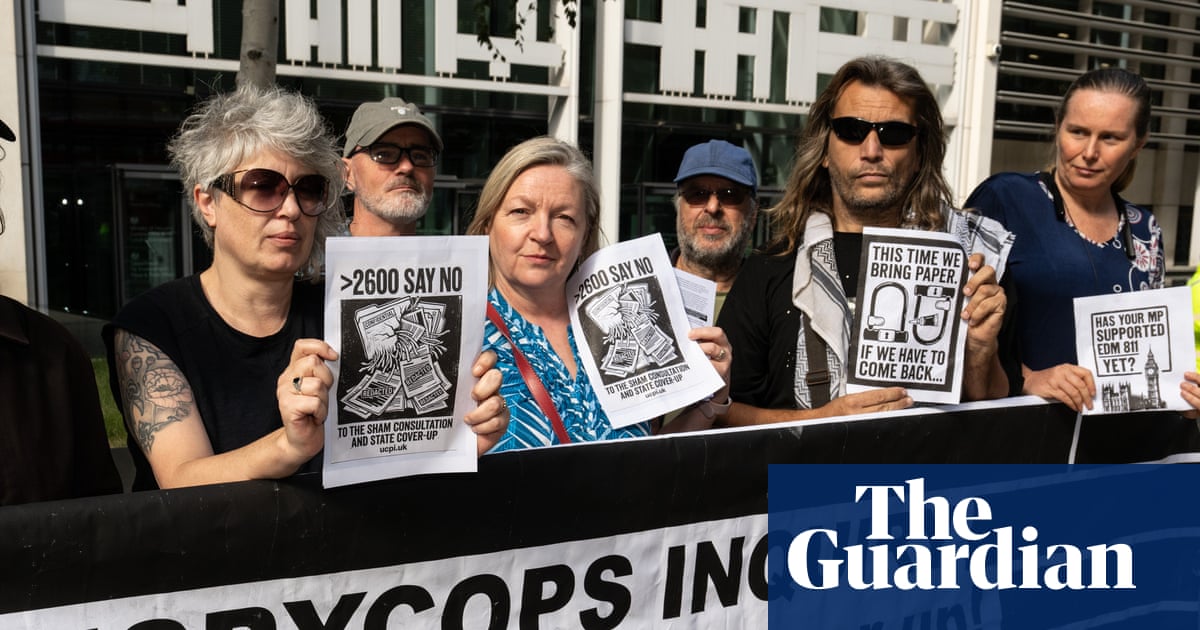
The admission was prompted by evidence supplied primarily by Helen Steel, a prominent social justice campaigner. Steel herself was deceived into a two-year relationship by another undercover officer, John Dines. Her prolonged search for Dines involved significant public expenditure, with senior police officials reportedly spending £2.5 million to relocate him to prevent her from finding him. Steel’s efforts to uncover the truth about Evans’ conduct have been instrumental in bringing this specific instance of non-disclosure to the forefront.
This case reflects a central theme of the spycops inquiry: the frequency with which undercover officers formed sexual relationships with women without revealing their true identities. Several operatives have fathered, or are alleged to have fathered, children with partners they met while undercover. The practice has drawn intense criticism for its ethical implications and the profound impact on those deceived.
Evans was one of approximately 139 officers deployed by police superiors over more than four decades to monitor tens of thousands of activists. His infiltration of groups such as the Socialist Workers party and London Animal Action represents a small fraction of a vast surveillance apparatus that has come under intense scrutiny. The inquiry aims to determine the extent of wrongdoing and accountability within these operations.
The government is currently evaluating whether the remaining stages of the inquiry should proceed in a different format. The investigation has been running for more than a decade, prompting questions about its efficiency and scope. However, victims of surveillance argue that any move to curtail or alter the inquiry could result in a cover-up of systemic misconduct.
The admission by Evans highlights the challenges faced by the inquiry in verifying historical accounts. As more evidence surfaces, the gap between initial official statements and later revelations widens. This discrepancy raises broader concerns about transparency and the reliability of testimony provided by former operatives.
Moving forward, the inquiry must address how such omissions affect the overall findings regarding police conduct. The case serves as a reminder of the personal costs borne by those targeted or deceived by undercover tactics. As the investigation continues, the focus remains on ensuring that all aspects of these covert operations are thoroughly examined and accurately recorded.
Sources behind this briefing
Go to the original reporting
- The Guardian World↗Undercover police officer lied to spycops inquiry about sexual relationship

