The short version
- The annual gathering occurs against a backdrop of multiple active wars and growing concerns over artificial intelligence risks.
- Key global leaders including China's president and Russia's leader are absent, signaling deep diplomatic divisions.
- The United Nations remains financially vulnerable despite recent U.S. payments, with no clear successor to the current secretary-general.
World leaders have convened in New York for the annual United Nations General Assembly, arriving under a heavy atmosphere defined by global instability. The gathering takes place as nations confront simultaneous crises involving active warfare, rapid advancements in artificial intelligence that raise safety concerns, and intensifying climate disruptions. These compounding challenges are driving up living costs for hundreds of millions of people while straining international supply chains and slowing economic growth.
The agenda is dominated by ongoing conflicts in Iran, Gaza, Ukraine, Sudan, the Democratic Republic of Congo, and Myanmar. Delegates face the persistent difficulty of determining whether diplomatic channels can effectively halt these hostilities. The assembly serves as a primary forum for discussing how to address not only immediate violence but also broader structural issues such as rising global temperatures and widening inequalities between nations.
Institutional reform remains a central topic, particularly regarding the United Nations Security Council. Critics argue that the current structure reflects post-World War II power dynamics rather than contemporary geopolitical realities. The five permanent members retain veto power that many view as disproportionate to modern global influence. While member states have agreed on broad reform principles, implementing changes to update these key institutions continues to prove difficult.
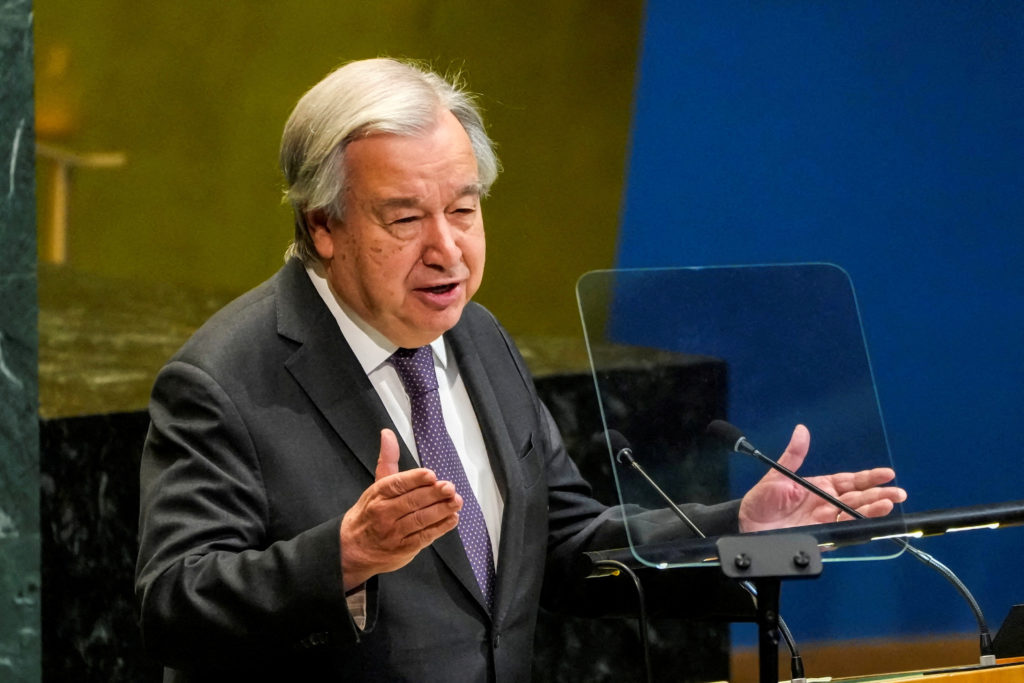
Leadership uncertainty looms over the organization as Secretary-General Antonio Guterres approaches the end of his second five-year term in late December. No clear successor has emerged from a field that includes fewer candidates than previous cycles. This transition period adds complexity to an already strained operational environment, with speculation mounting behind the scenes about who will guide the body through its next phase.
Attendance patterns highlight significant diplomatic fractures. While approximately 130 heads of state and government are expected to participate, notable absences include Chinese President Xi Jinping, Russian President Vladimir Putin, and Indian Prime Minister Narendra Modi. China has sent a vice president instead, with some diplomats interpreting this as a deliberate snub. These absences underscore the polarization affecting multilateral cooperation.
The United States maintains its role as host but faces scrutiny over its financial contributions. After failing to pay billions in outstanding dues, which threatened the organization's operations and forced cuts to peacekeeping and humanitarian aid, Washington recently remitted $725 million. This payment secured voting rights in the General Assembly and signaled a commitment to remaining within the framework, averting fears of a complete withdrawal.
Despite recent financial injections, experts describe the United Nations as being stuck in a permanent state of crisis rather than freefall. The organization has struggled to assert influence in ending major conflicts in the Middle East and Ukraine. Financial troubles have persisted throughout the past year, limiting its capacity to fulfill core responsibilities related to international peace and security.
French officials have emphasized the critical need for nations to reaffirm their commitment to multilateralism during this high-level week. They argue that dialogue and cooperation must take precedence over confrontation in an era of bitter divisions. The assembly remains the primary gathering place for 193 member nations, serving as a vital, albeit strained, platform for global discourse.
Key addresses will be delivered by U.S. President Donald Trump and French President Emmanuel Macron, following the secretary-general's opening remarks. Other notable speakers include Ukrainian President Volodymyr Zelenskyy and Iranian President Masoud Pezeshkian. Israeli Prime Minister Benjamin Netanyahu is scheduled to speak, while Palestinian Authority President Mahmoud Abbas will address the assembly via video link after being denied a visa by U.S. authorities.
The coming days will test the resilience of international institutions facing unprecedented pressure. As leaders debate reforms and conflict resolution strategies, the effectiveness of the United Nations in addressing 21st-century challenges remains uncertain. The outcome of these discussions may shape the trajectory of global governance for years to come.
Sources behind this briefing
Go to the original reporting
- PBS NewsHour↗World leaders meet at UN as planet grapples with war, runaway AI and climate shocks

