The short version
- A UN special rapporteur stated there are reasonable grounds to believe US strikes on alleged drug boats constitute crimes against humanity under customary international law.
- The attacks, which have killed over two hundred people since September 2025, are described by the expert as unjustified extrajudicial killings that violate the right to life.
- Data indicates the operations have not reduced the volume of cocaine entering the United States, contradicting administration claims of significant success in disrupting trafficking networks.
A prominent United Nations human rights expert has concluded that there are reasonable grounds to believe recent United States military strikes against vessels in the Pacific and Caribbean oceans amount to crimes against humanity. Ben Saul, a special rapporteur for the UN Human Rights Council, released a briefing note asserting that the attacks violate fundamental international legal standards regarding the right to life. His assessment marks a significant escalation in the criticism of the US campaign, moving beyond previous characterizations of the actions as extrajudicial killings to suggest they meet the threshold for severe international crimes under customary law.
The report focuses on sixty-eight specific incidents that have resulted in the deaths of at least two hundred and twenty-three individuals. These operations have been conducted since September 2025, with the stated objective of intercepting maritime drug trafficking routes leading to the United States. The death toll continues to rise, with recent strikes adding more casualties to the growing list. Independent monitoring organizations, including the Washington Office on Latin America, have recorded slightly different figures, citing two hundred and thirty-four deaths across sixty-six attacks. The discrepancy in numbers highlights the difficulty in tracking these events precisely, but both tallies confirm a sustained pattern of lethal force used against maritime targets.
Saul’s analysis explicitly rejects the justification provided by US officials for these operations. President Donald Trump has previously argued before Congress that the strikes represent acts of self-defense against designated terrorist organizations involved in narcotics trafficking. The UN rapporteur disputes this legal framing, noting that the crews aboard the targeted vessels were not militarily armed and lacked the intent or capacity to launch military attacks against the United States. According to Saul, even if the individuals were members of groups labeled as terrorists, those organizations have not mounted an armed attack sufficient to trigger a right of self-defense under international law.
The legal argument centers on the violation of multiple frameworks, including international humanitarian law, the law of the sea, and narcotics suppression conventions. Saul described the attacks as serial extrajudicial killings that are unjustified under any recognized exception for national or personal self-defense. The briefing note emphasizes that the use of lethal force in these contexts fails to meet the strict criteria required by international counter-terrorism law. This perspective aligns with earlier concerns raised by various human rights organizations and legal experts, who have long criticized the lack of due process and transparency surrounding the operations.
US Southern Command has continued to announce these strikes through brief public statements, often accompanied by low-resolution video footage. In a recent post regarding a Saturday operation in the Caribbean, the command stated it executed a lethal kinetic strike on a go-fast vessel operating along established narco-trafficking routes. The announcement claimed that confirmed intelligence revealed the vessel’s active involvement in trafficking and reported the deaths of four individuals identified as narco-terrorists. As has become standard practice for these disclosures, the military did not identify the victims or provide specific details about the intelligence used to justify the lethal action.
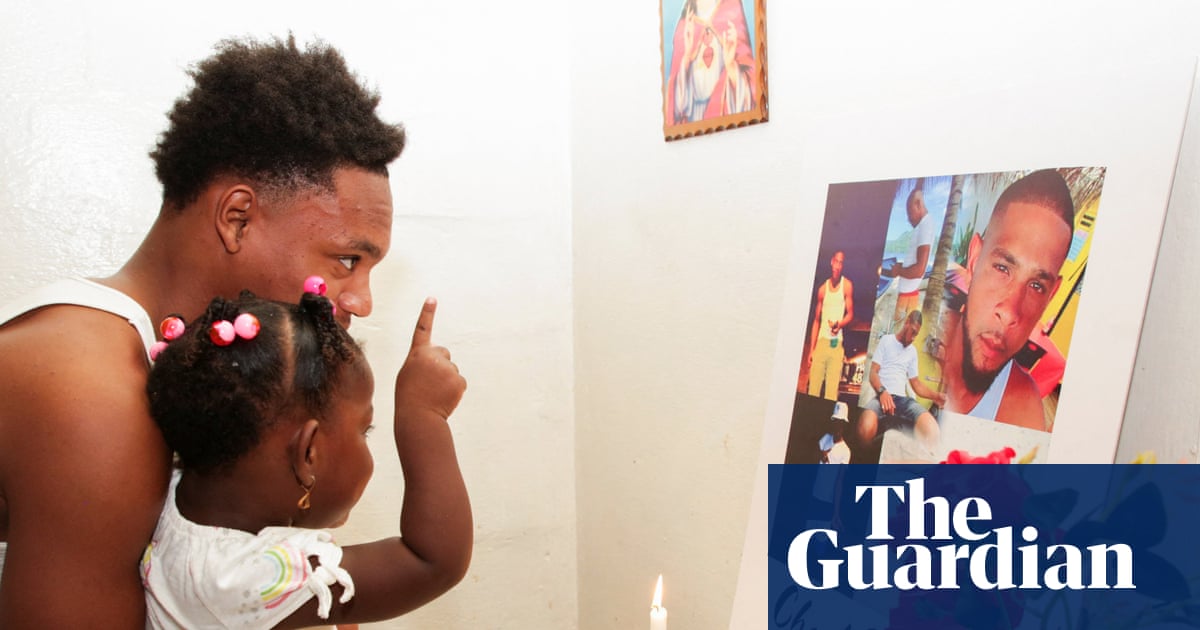
The human cost of these operations extends beyond the official casualty counts. Journalists and advocacy groups have worked to identify some of the deceased, revealing that many were innocent individuals or, at most, low-level participants in trafficking networks rather than high-ranking operatives. The lack of transparency regarding victim identities and the specific intelligence behind each strike has fueled concerns about accountability and the potential for wrongful targeting. Critics argue that the broad criteria used to designate targets increase the risk of harming civilians who are not directly involved in violent criminal activities.
Despite the administration’s claims that these strikes have significantly disrupted drug flows, available data suggests otherwise. President Trump recently asserted that the bombings had stopped ninety-seven percent of all illegal drugs entering the US by sea. However, independent analysis indicates that the volume of cocaine arriving in the United States has not decreased as a result of these operations. This disconnect between stated objectives and measurable outcomes raises questions about the strategic effectiveness of the campaign. The failure to impact trafficking volumes undermines the argument that the lethal force used is necessary or proportionate to the threat posed.
The US Department of State has not yet responded to requests for comment regarding Saul’s findings. The report adds to a growing body of international scrutiny surrounding the United States’ approach to maritime security and counter-narcotics efforts. As the debate continues, the legal and moral implications of these strikes remain unresolved. The UN expert’s conclusion that there are reasonable grounds to believe crimes against humanity have been committed places significant pressure on US policymakers to address the legality and efficacy of their actions. The situation underscores the tension between national security objectives and adherence to international human rights standards.
The next steps in this unfolding controversy will likely involve further diplomatic and legal challenges. Human rights organizations are expected to use Saul’s report to advocate for greater accountability and transparency in US military operations abroad. Meanwhile, the United States may face increased scrutiny from international bodies and allied nations concerned about the precedent set by these strikes. The lack of a formal response from the State Department leaves the immediate future uncertain, but the report ensures that the issue will remain a focal point of international discourse on law enforcement and human rights.
This development highlights the complex intersection of drug policy, military intervention, and international law. As the United States continues to pursue aggressive tactics against maritime trafficking, the criticism from UN experts serves as a stark reminder of the legal boundaries governing state violence. The discrepancy between official narratives and independent data further complicates the picture, leaving the public and policymakers to grapple with the true impact and legality of these operations. The ongoing debate reflects broader concerns about how nations balance security needs with their obligations under international law.
Sources behind this briefing
Go to the original reporting
- The Guardian US↗US strikes on alleged drug boats may constitute ‘crimes against humanity’, UN finds

