The short version
- Ukrainian forces struck a major oil refining complex in Bashkortostan, continuing a three-day campaign that has significantly reduced Russia’s fuel processing capacity.
- Russian officials reported casualties and infrastructure damage across multiple regions, including Sevastopol and Orsk, while admitting repair delays due to sanctions on foreign equipment.
- President Zelenskyy stated that Ukraine possesses only a fraction of the Patriot interceptors needed for winter defense, citing low U.S. stockpiles as a primary constraint.
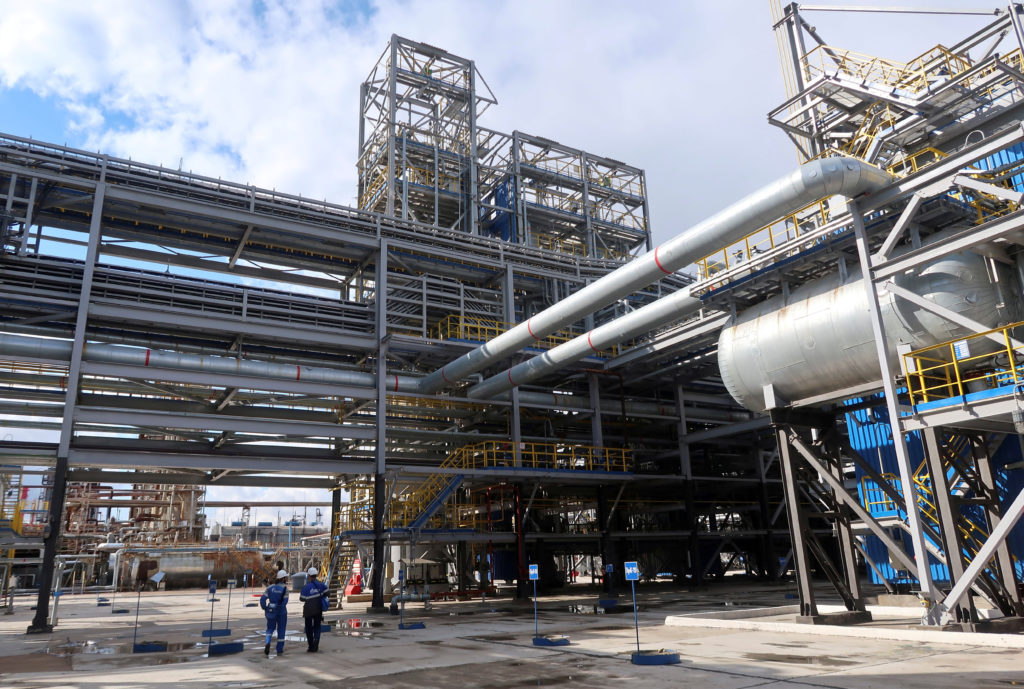
Ukrainian military operations have intensified their focus on Russian energy infrastructure, with forces striking a major oil refining complex deep inside Russia’s territory. The attack targeted the Gazprom Neftekhim Salavat facility in the republic of Bashkortostan, located approximately 1,300 kilometers southeast of Moscow. This assault represents the fourth significant strike against Russia’s oil sector in just three days, underscoring Kyiv’s sustained effort to disrupt the economic engine fueling Moscow’s military advance.
The Salavat complex is one of Russia’s largest petrochemical plants, capable of processing up to 74 million barrels of oil annually. Ukrainian officials stated that the overnight drone strike caused a fire at the site, further denting the country’s refining capacity. Local authorities in Bashkortostan confirmed that two civilians were wounded and that an industrial zone was affected by the blaze. The Russian online retailer Wildberries also reported a fire at one of its warehouses in the same area, though the company noted that no goods were stored there and the facility had been evacuated.
These strikes come amid broader disruptions to Russia’s energy supply chain. In the Orenburg region, officials announced that a refinery in Orsk has suspended operations after being hit by drones earlier in the week. Regional Governor Yevgeny Solntsev admitted that key infrastructure, including foreign equipment, was damaged and could not be immediately restored. He estimated that repairs might take up to six months, citing international sanctions as a barrier to sourcing replacement parts. This public acknowledgment highlights the growing logistical challenges Moscow faces in maintaining its industrial output.
The campaign against energy targets is part of a wider strategy by Kyiv to pressure Russian President Vladimir Putin into seeking a peace deal. However, there is currently no indication that this approach has altered Moscow’s stance. Russia remains one of the world’s largest energy producers, and oil continues to serve as a critical economic mainstay for the Kremlin. Despite the recent attacks causing shortages at gas stations, the full-scale invasion launched more than four years ago persists, with Russian forces continuing their slow and costly advance into Ukrainian territory.
In response to these incursions, Russia has escalated its own aerial bombardment of Ukraine. Overnight strikes involving 133 long-range drones resulted in at least four deaths and eight injuries across various regions. A jet-powered drone hit a passenger train in the southern Odesa region, killing the engineer and his assistant. Additionally, explosions in Kherson claimed two lives, while separate incidents in Sevastopol involved the detonation of an unspecified weapon during an inspection by emergency responders, killing four experts and a security guard.
The situation in Sevastopol also saw the detention of a woman accused of acting on orders from Ukrainian intelligence agencies. Russian security services linked her to the recent explosions in the port city, which has been under illegal annexation since 2014. Independent verification of these claims remains difficult, as both sides have reported conflicting details regarding casualties and damage. The United Nations estimates that Russian attacks have killed more than 16,000 civilians since the war began, with ballistic missiles and glide bombs posing significant threats due to their speed and difficulty to intercept.
Ukraine’s ability to defend against these aerial assaults is increasingly constrained by a shortage of advanced air defense systems. President Volodymyr Zelenskyy revealed that Ukraine currently has two and a half times fewer Patriot interceptor missiles than it did in 2025. He stated that he makes daily appeals to secure more interceptors, particularly ahead of the winter months when Russia typically intensifies strikes on power grids. Zelenskyy requested that the United States sell 5% of its available stockpile to help Ukraine survive the coming season, but so far, he has managed to obtain only 1%.
The scarcity of U.S. equipment is partly attributed to global conflicts elsewhere, including tensions involving Iran, which have strained American defense reserves. While the Trump administration has indicated it will not provide direct aid to Ukraine, it has permitted other nations to purchase U.S. military hardware for Kyiv. A recent report by Germany’s Kiel Institute noted that European countries paid at least 3 billion euros to U.S. defense companies in the first half of this year for equipment destined for Ukraine. This financial flow highlights the complex web of international support sustaining Ukraine’s war effort despite limited direct American assistance.
Sources behind this briefing
Go to the original reporting
- PBS NewsHour↗Ukrainian drones strike major oil refinery deep inside Russia, setting it ablaze

