The short version
- Extensive use of kamikaze drones has resulted in a significant increase in vision loss and hearing damage among Ukrainian military personnel.
- The national healthcare system is struggling to provide adequate surgical care, rehabilitation services, and psychological support for the rising number of severely wounded veterans.
- Many injured soldiers are turning to adaptive sports and community workshops as critical components of their physical and mental recovery processes.
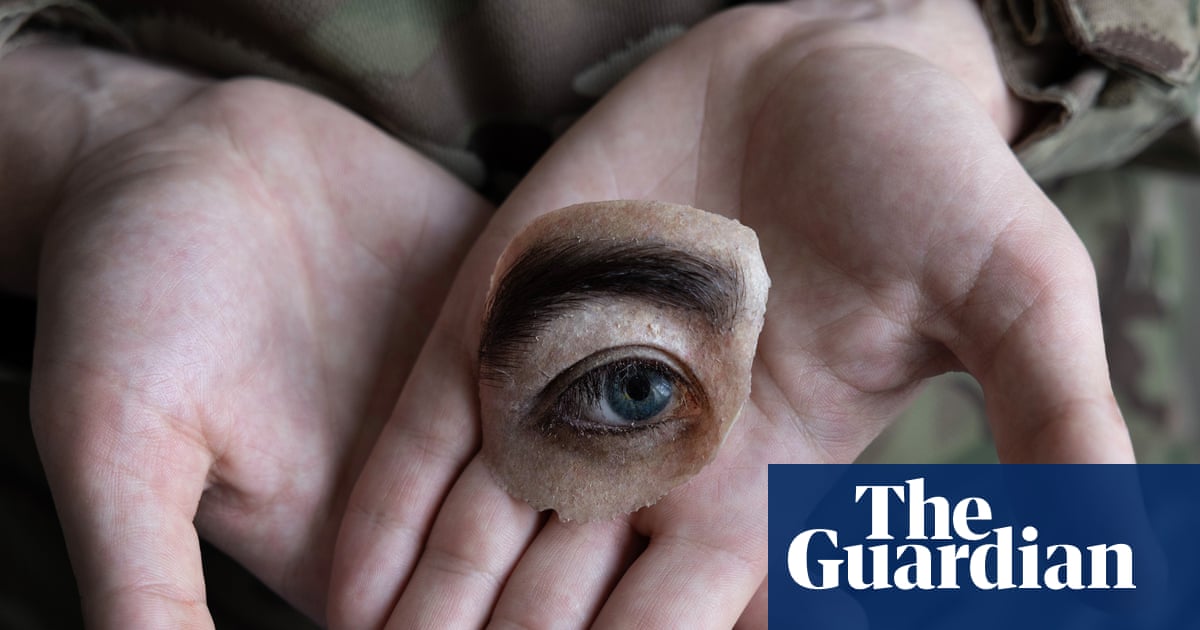
A profound shift in the nature of combat injuries is placing unprecedented pressure on Ukraine’s medical infrastructure. Since the full-scale invasion began, the widespread deployment of kamikaze drones by both sides has created a specific pattern of trauma that differs from conventional artillery or small arms fire. This evolution in warfare has led to a sharp increase in cases involving permanent vision loss, severe hearing damage, and complex facial injuries among young servicemen. The sheer volume of these casualties is challenging the country’s ability to deliver timely surgical intervention and long-term rehabilitation.
The strain on healthcare resources is evident in major urban centers like Kyiv, where regional hospitals are conducting a high volume of eye surgeries. At one facility alone, surgeons performed operations on one hundred soldiers last year, with many requiring scleral implants or other reconstructive procedures. The demand for specialized care continues to outpace available capacity, leaving the system struggling to treat the growing population of veterans who have sustained irreversible sensory impairments. Medical professionals are working under intense pressure to manage both immediate trauma and the long-term consequences of these injuries.
For many soldiers, the path to recovery involves navigating a complex landscape of medical disillusionment and personal resilience. Some veterans report frustration with the quality of initial military-funded care, describing experiences that left them feeling abandoned during critical phases of healing. Despite these systemic challenges, individuals are finding ways to rebuild their lives through dedicated personal effort and community support. The transition from active duty to civilian life is particularly difficult for those who have lost sight or limbs, as they must relearn basic navigation and daily tasks while coping with the psychological weight of their injuries.
Adaptive sports have emerged as a vital tool for rehabilitation, offering physical benefits alongside mental health improvements. Several veterans are channeling their energy into strength training, powerlifting, and endurance activities, viewing athletic competition as a means to regain a sense of control and purpose. One former soldier, who was blinded after being shot in the head during a combat mission, has dedicated himself to strongman competitions with the goal of joining the national team. For him, sport represents the best form of holistic rehabilitation, addressing physical, spiritual, and mental needs simultaneously.
Beyond athletics, community-based workshops provide essential skills for independent living. In cities like Lviv and Kyiv, blind veterans participate in mobility training, learning to navigate streets safely with the guidance of specialized instructors. These programs also offer opportunities for social engagement through activities such as dance lessons, rock climbing, and cooking classes. Such initiatives help mitigate the isolation that often accompanies severe disability, allowing participants to connect with peers who share similar experiences and challenges.
The psychological toll of these injuries remains a significant concern. Many veterans recount periods of intense pain and despair following their wounds, with some experiencing suicidal thoughts in the immediate aftermath. The fear of losing one’s identity and the worry about family well-being can be overwhelming. However, over time, many find motivation in small daily achievements and the support of loved ones. Partners and family members often play a crucial role in recovery, providing unwavering encouragement that helps veterans move past initial trauma toward a more hopeful outlook.
Social reintegration presents additional hurdles, as veterans often face stigma or misunderstanding from the broader public. Some report feeling like heroes abroad but encountering fear or discomfort at home due to their visible injuries. This disconnect can exacerbate feelings of alienation, making it difficult for wounded soldiers to reintegrate into civilian society. Despite these social barriers, many are determined to live fully, focusing on incremental progress and finding joy in everyday moments. Their stories highlight the enduring humanity that persists even amid the devastation of war.
Looking ahead, Ukraine must address the long-term needs of this generation of wounded veterans. The challenge extends beyond immediate medical care to include comprehensive psychological support, vocational training, and social inclusion programs. As the conflict continues, the number of severely injured soldiers is likely to grow, necessitating sustained investment in rehabilitation infrastructure. The resilience demonstrated by these individuals offers a powerful testament to the human capacity for adaptation, but systemic support remains essential to ensure their successful reintegration into society.
Documenting these experiences serves not only as a record of individual struggles but also as a call for greater awareness and empathy. Photographers and journalists are capturing the quieter moments of recovery, emphasizing the spectrum of human experience that exists alongside tragedy. By highlighting the stories of those who have lost sight, hearing, or limbs, these accounts aim to evoke true empathy and underscore the importance of supporting veterans in their journey toward healing. The focus remains on the enduring strength of those who continue to fight for a meaningful life despite profound loss.
Sources behind this briefing
Go to the original reporting
- The Guardian US↗Blinded by War: documenting the aftermath of injury in Ukraine – photo essay

