The short version
- A Ukrainian soldier trapped for eight days in a minefield was rescued by a large unmanned aerial vehicle capable of carrying significant weight.
- The operation utilized AI navigation to bypass GPS jamming and involved escort drones to distract enemy forces during the extraction.
- This incident underscores the increasing difficulty of conventional medical evacuations in heavily surveilled combat zones where armored vehicles are vulnerable.
A novel method for extracting wounded personnel from active combat zones was successfully deployed in northeastern Ukraine, marking a significant tactical shift in how casualties are managed under intense surveillance. The operation involved the use of a large unmanned aerial vehicle to retrieve a soldier who had been stranded for eight days in a dangerous area near the Russian border. This event highlights the growing constraints on traditional evacuation methods and the rapid adaptation of military technology to meet these challenges.
The incident began when Artem Lytvyn, a twenty-five-year-old member of the 129th Brigade, stepped on a magnetic landmine while approaching a forward position in the Kharkiv region. The explosion severely injured his right leg and killed another soldier nearby. Fellow troops managed to drag Lytvyn into nearby bushes for cover, but the surrounding terrain proved too difficult for standard rescue efforts. Rivers, muddy fields, and dense forests hindered movement, rendering remote-controlled land robots ineffective as they became stuck in the ground.
Conventional evacuation attempts also stalled. A ten-person stretcher team managed to cover only a fraction of the necessary distance over five days, leaving Lytvyn isolated with limited supplies. He survived on food and medical drops delivered by smaller drones but faced deteriorating physical conditions. With no immediate prospect of rescue, he considered attempting to walk out using a crutch, though his injuries prevented him from standing. The situation underscored the perilous nature of modern frontline medicine, where even armored vehicles are often too conspicuous for safe passage.
In response to the stalemate, military planners turned to an untested solution involving a heavy-lift drone manufactured by SkyFall. Known as the StarGate, this unmanned aircraft was designed to carry payloads up to 150 kilograms and featured a capsule suspended beneath its rotors. The mission was coordinated by pilots from the 475th Separate Assault Regiment, who spent a week plotting a route that would minimize exposure to enemy fire. The drone was equipped with artificial intelligence navigation systems intended to maintain course even if GPS signals were disrupted by Russian electronic warfare capabilities.
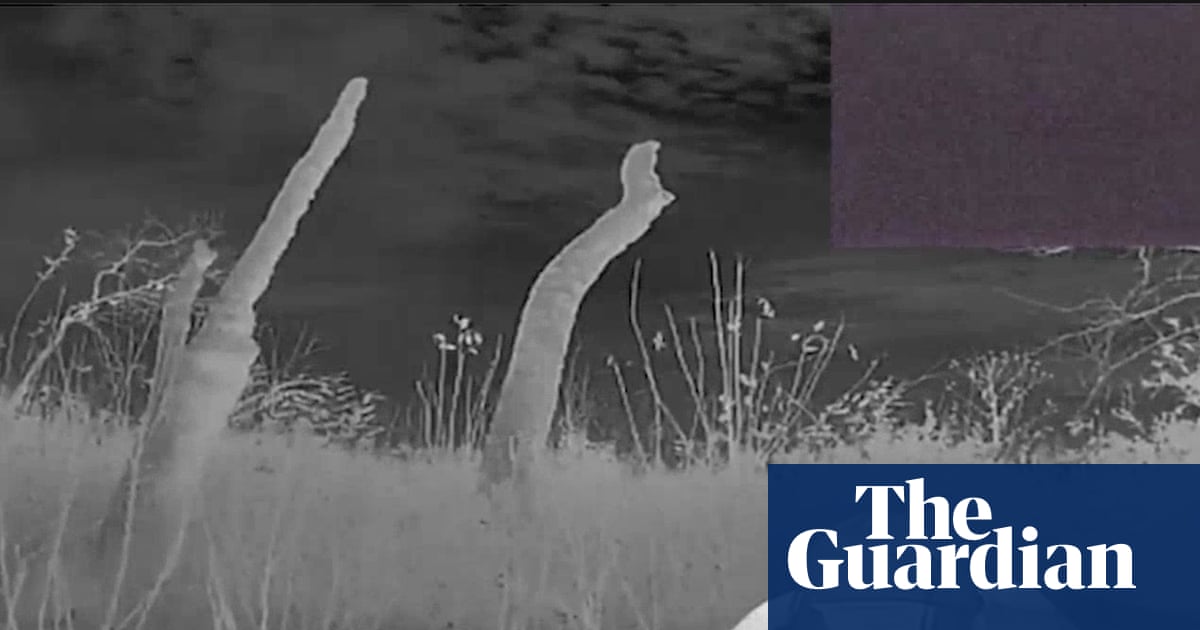
The execution of the rescue required precise timing and coordination. On the night of October 21, the drone approached Lytvyn’s location under cover of darkness. He emerged from his hiding place and entered the capsule, leaving behind his radio and weapon to reduce weight. The flight path took him over contested territory for approximately eighteen miles, a journey that carried significant risk. Russian forces possess advanced drone units capable of targeting or jamming such aircraft, making the StarGate a vulnerable asset during transit.
To mitigate these threats, the operation included support from other unmanned systems. Heavy-duty Vampire drones were deployed to bombard known enemy positions, creating diversions that drew attention away from the evacuation flight. This tactic appeared successful, as the primary drone reached its destination without being intercepted. The pilot team monitored the progress remotely, experiencing high levels of stress during the twenty-minute flight. Upon landing in a friendly clearing, Lytvyn was greeted by waiting soldiers who confirmed his identity before providing immediate medical attention.
The aftermath of the rescue revealed the severe toll of prolonged exposure to battlefield conditions. Medical personnel found maggots infesting Lytvyn’s wound, a common complication for untreated injuries in field environments. Despite initial cleaning efforts with hydrogen peroxide, the infection persisted, indicating the need for urgent professional care. He was subsequently transported by armored vehicle to an ambulance, completing the chain of evacuation that had begun days earlier. The successful retrieval demonstrated the potential of aerial technology to overcome logistical barriers in modern warfare.
This event illustrates the broader transformation of combat logistics in Ukraine. As drone surveillance becomes ubiquitous, traditional methods of moving troops and supplies face increasing risks. The integration of AI-driven navigation and coordinated drone swarms offers new possibilities for maintaining operational effectiveness. However, the complexity and cost of such operations suggest they may remain exceptional rather than routine. The outcome provides a glimpse into how militaries are adapting to a battlefield where visibility is constant and mobility is severely restricted.
Sources behind this briefing
Go to the original reporting
- The Guardian US↗‘My biggest fear was being shot down’: how an injured Ukrainian soldier was evacuated by drone


