The short version
- Ukrainian special forces targeted natural gas plants in the Yamalo-Nenets region, marking a significant extension of strike depth into Russia's energy heartland.
- Drone alerts in Moldova delayed President Zelenskyy's travel to Norway, highlighting the expanding security risks beyond Ukraine's immediate borders.
- Russian drone attacks continued to cause civilian casualties across multiple Ukrainian cities, prompting calls for stronger international sanctions and responses.
Ukrainian military operations have extended significantly deeper into Russian territory, with special forces claiming responsibility for strikes on two critical natural gas facilities in the Arctic. The targets were located in the Yamalo-Nenets region of northwestern Siberia, an area traditionally considered secure from frontline combat due to its distance from the conflict zone. One facility is situated in Novy Urengoy, widely recognized as a central hub for Russian gas production, while the other lies in the Purovsky district. Ukrainian officials described these sites as vital to the gas condensate industry, noting that their vulnerability challenges previous assumptions about the safety of Russia's interior regions.
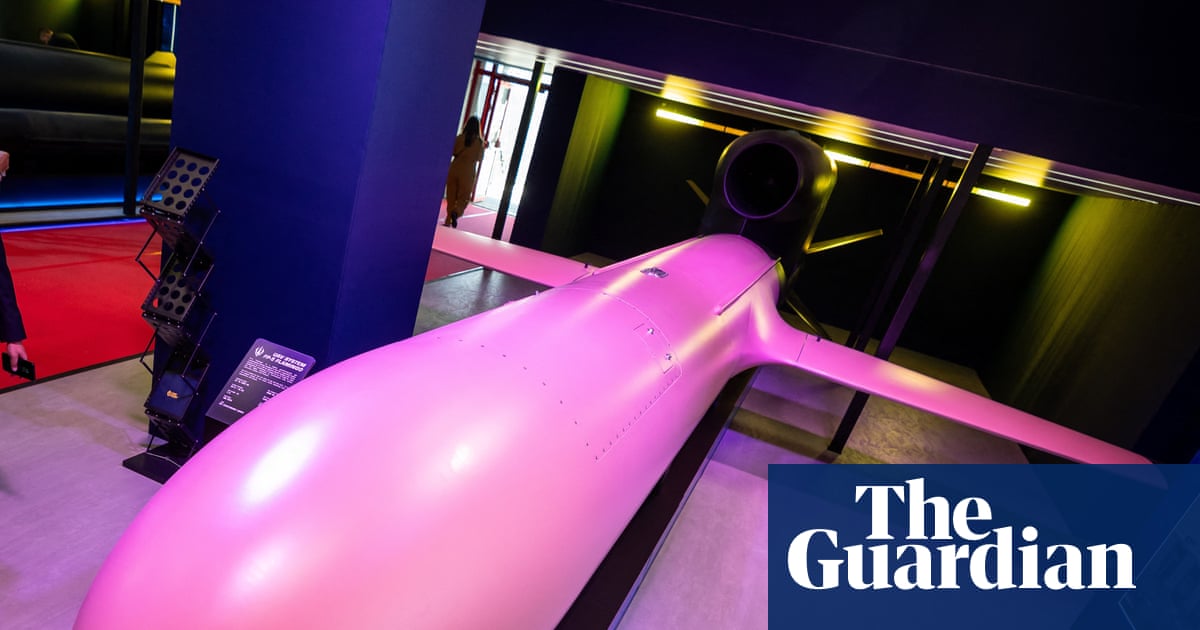
The strikes represent a notable escalation in the range and precision of Ukrainian deep-strike capabilities. Fire Point, a domestic manufacturer of long-range weaponry including the Flamingo cruise missile, publicly confirmed the engagement, stating that its systems traveled over 3,300 kilometers to hit the designated targets. President Volodymyr Zelenskyy praised the operation for its potential economic impact on Russia, emphasizing the strategic value of disrupting energy infrastructure. Russian regional authorities acknowledged the attacks and indicated that damage assessments were underway, though specific details regarding production losses or environmental consequences remain unclear.
In addition to the Arctic strikes, Ukrainian forces targeted military and logistical assets in Novorossiysk, a key Black Sea port in Russia's Krasnodar region. According to Zelenskyy, the attack hit a naval base that includes terminals for loading oil and facilities supporting warships equipped with cruise missiles. These coordinated actions suggest a broadened strategy aimed at degrading both Russia's energy revenue streams and its naval operational capacity. The simultaneous targeting of distant Arctic infrastructure and southern maritime hubs underscores Kyiv's intent to apply pressure across multiple strategic fronts.
Tensions also spilled over into neighboring Moldova, where drone alerts disrupted air traffic and raised concerns about regional security. President Zelenskyy's flight to Oslo was delayed after Moldovan authorities closed airspace following a drone warning. While initial reports suggested the president's plane might have been targeted, officials later clarified that the delay was precautionary, allowing time to confirm the drone had landed safely. Three departures and four arrivals were affected by the closure. Moldova's President Maia Sandu condemned the drone intrusions as a serious threat to civilian life, referencing earlier incidents where Russian drones struck border crossings and caused fatalities.
The security situation in Ukraine remains volatile, with Russian drone strikes continuing to inflict casualties on civilians. In Kyiv, a strike on an apartment building killed one person and injured at least four others. Additional attacks were reported in Dnipro, Mykolaiv, Kharkiv, Zaporizhzhia, and Zhytomyr. In the northern city of Sumy, a drone hit a shopping center, killing two people and injuring twenty, with four suffering serious wounds. These incidents highlight the persistent danger to urban populations despite ongoing military operations elsewhere. The human toll continues to mount as Russia maintains its aerial campaign against civilian infrastructure.
Amid the violence, individual stories of resilience have emerged from the frontlines and cities under attack. In Kyiv, a couple proceeded with their wedding ceremony despite a Russian air raid that severely damaged their apartment on the eve of the event. The bride and her soldier fiancé fled to a shelter with their daughter and pets during the initial strike but returned to retrieve their wedding attire from the rubble. They held the ceremony amidst further air raids, with the groom having traveled back from eastern Ukraine. Their decision to marry reflects a determination to maintain normalcy and hope in the face of destruction.
International reactions to the evolving conflict have focused on both immediate humanitarian concerns and long-term strategic threats. German Defense Minister Boris Pistorius warned that Russia's arms production poses risks beyond the current war, noting that Moscow is stockpiling weapons for future conflicts rather than deploying all available munitions in Ukraine. He estimated that only a fraction of Russia's monthly missile production is being used on the frontline. Meanwhile, Zelenskyy criticized the international community for insufficient responses to Russian aggression, calling for effective sanctions and sustained support to prevent further escalation.
In the United Kingdom, authorities arrested a man allegedly assisting Russian intelligence services in planning sabotage operations. Joshua Cammidge was detained in Swindon following suspected contact with representatives of the GRU Volunteer Corps, a group linked to Russia's military intelligence agency. This development underscores the broader security challenges faced by Western nations as the conflict extends into espionage and potential domestic threats. As the war enters its 1,660th day, the combination of deep strikes, border tensions, and international security concerns suggests a complex and evolving geopolitical landscape.
Sources behind this briefing
Go to the original reporting
- The Guardian US↗Ukraine war briefing: Arctic attack extends Kyiv’s strike reach into Russian gas heartland

