The short version
- Ukrainian drones disabled major Russian refineries in Orsk and Salavat, causing significant production halts due to sanctions-driven repair delays.
- A former Ukrainian naval officer who defected to Russia was killed in a bombing in Sevastopol, leading to an arrest by local authorities.
- Poland reported thwarting a Russian plot to assassinate a Ukrainian-American citizen, marking a new escalation in intelligence operations within NATO territory.
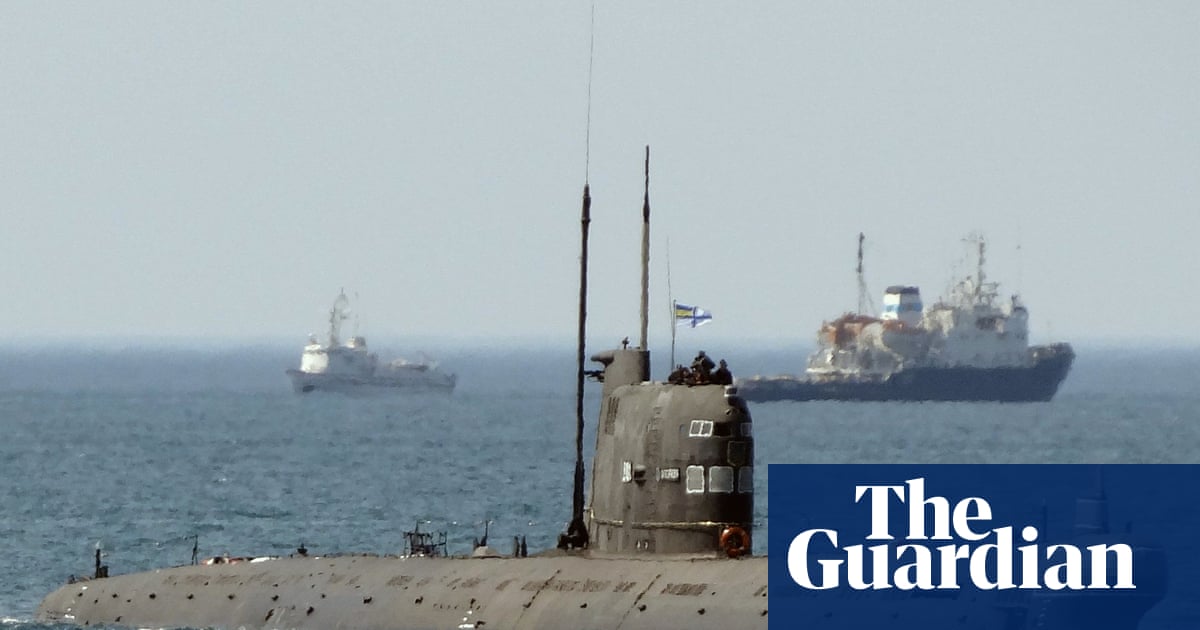
The conflict between Ukraine and Russia has expanded its geographic and operational scope, with significant developments occurring across multiple fronts on Thursday. In Crimea, a bomb attack killed Robert Shageyev, a Russian military officer identified by Ukrainian sources as a former naval commander who defected to Moscow during the 2014 annexation. Shageyev had commanded Ukraine’s only submarine, the Zaporizhzhia, before switching allegiance. The incident occurred in Sevastopol, the largest city in the peninsula, and prompted an immediate response from regional authorities.
Mikhail Razvozhayev, the governor of Crimea, announced that a woman had been arrested on suspicion of carrying out the assassination on behalf of Ukrainian special services. State media reported that the suspect is a Russian national. The attack also resulted in additional casualties among security personnel; four explosives experts and a guard died while attempting to dispose of a device in the same city. Ukraine has not yet commented on the killing, leaving the precise circumstances and attribution unclear beyond the initial accusations from Russian officials.
Simultaneously, Ukrainian drone operations have inflicted substantial damage on Russian energy infrastructure deep inside federal territory. A refinery in Orsk, located in the Orenburg region near the Kazakhstan border, was forced to shut down completely after being hit by drones. Regional governor Yevgeny Solntsev stated that shrapnel damaged critical imported equipment that cannot be repaired due to international sanctions. He estimated that restoring operations could take up to six months, significantly impacting regional fuel production capabilities.
Further strikes targeted the Gazprom Neftekhim Salavat refinery in Bashkortostan, one of Russia’s largest fuel processing facilities. Located approximately 1,300 kilometers southeast of Moscow, the site suffered damage that also ignited a fire at a nearby facility belonging to Wildberries, a major Russian online retailer. Ukrainian forces have previously targeted Wildberries for its role in supplying war materials and its economic significance. These attacks demonstrate Kyiv’s ability to project power far beyond the immediate battlefield, disrupting logistics and energy supplies in Russia’s interior.
In a separate development involving intelligence operations, Polish Prime Minister Donald Tusk revealed that authorities had thwarted a plot to kill a Ukrainian-American citizen in Warsaw. The suspect, allegedly recruited by Russian secret services, was detained on August 7. Tusk described this as the first instance of a Russia-ordered attack against a U.S. citizen on the territory of another NATO member state. The U.S. State Department acknowledged awareness of the reports but provided no additional details, while the Russian foreign ministry did not immediately respond to requests for comment.
Tensions also remain high in the Black Sea, where Ukraine has proposed a mutual halt to attacks on civilian shipping to reopen a crucial grain corridor. Kyiv reportedly made this offer through a third party, though Moscow had not responded as of Thursday. Since July, Ukrainian operations have effectively closed commercial Russian shipping routes in the Black Sea and Sea of Azov, striking nearly 220 vessels including oil tankers and cargo ships. Russia continued its own strikes on Ukrainian infrastructure, hitting the port of Izmail in the Odesa region near the Romanian border.
Civilian casualties continue to mount as both sides exchange fire. A Russian drone attack on a passenger train in the Odesa region killed two people, identified as the locomotive’s engineer and assistant engineer. President Volodymyr Zelenskyy condemned the strike, noting that 340 passengers were on board and asserting that the operator must have known the target was civilian. Meanwhile, Russia and Ukraine conducted a prisoner exchange involving the bodies of fallen soldiers. Kyiv received 261 bodies claimed by Moscow to be Ukrainian servicemen, while sending back 24 Russian remains.
Kyiv has also condemned upcoming Russian parliamentary elections in occupied territories as illegal. The foreign ministry issued a statement coinciding with the arrival of observers from former Soviet states to monitor the voting process. Ukraine maintains that any election organized by Russia on sovereign territory it does not control is invalid, regardless of international observation. These political maneuvers underscore the broader struggle for legitimacy and recognition as the military conflict persists into its 1,634th day.
Sources behind this briefing
Go to the original reporting
- The Guardian US↗Ukraine war briefing: Crimea bomb kills ‘Ukrainian sub commander who defected’

