The short version
- A drone strike on an ammunition warehouse in Myla killed at least 38 people, including residents of a nearby care home.
- Local officials have launched a criminal inquiry into why munitions were stored so close to civilian housing.
- Residents express anger toward both the Russian attackers and Ukrainian authorities for inadequate safety measures.
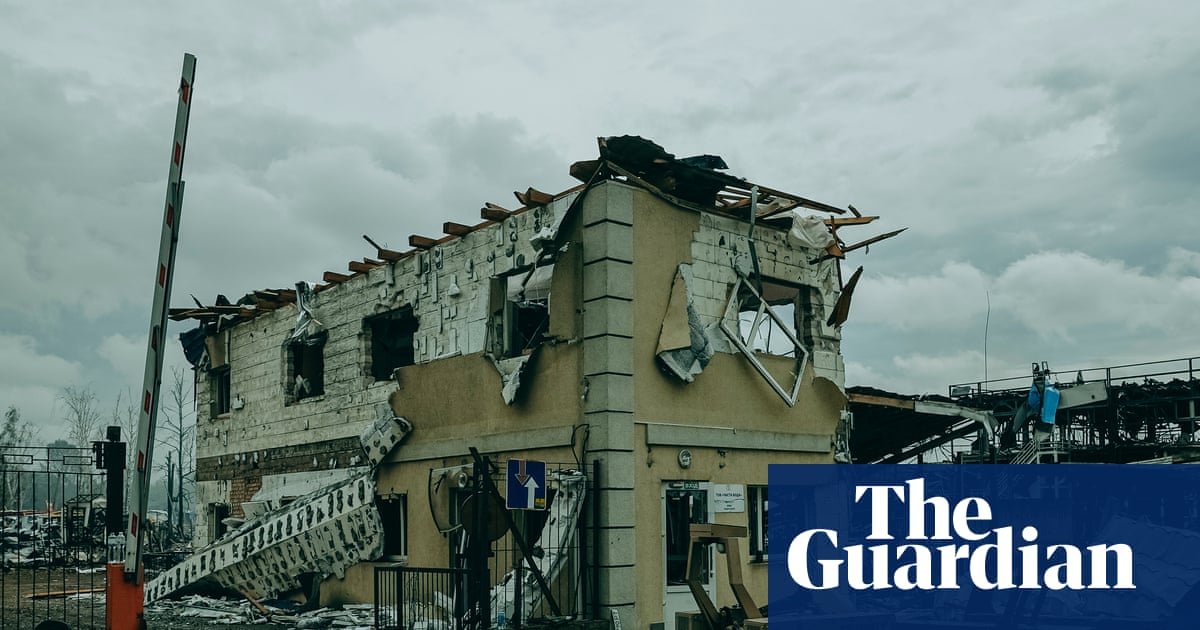
A Russian jet-powered drone struck an ammunition warehouse in Myla, a village located approximately fifteen miles from central Kyiv, resulting in at least thirty-eight confirmed deaths. The attack occurred late Thursday night, triggering a series of explosions that lasted roughly six hours and caused widespread destruction to nearby homes. By Sunday, the death toll had risen slightly, with four additional people still missing. The incident has intensified local outrage regarding the proximity of military stockpiles to civilian residences.
Volodymyr, a sixty-one-year-old security guard who works at a lumber yard adjacent to the storage site, survived the initial impact but returned repeatedly to assess the damage. His family home suffered significant structural harm, including a blown-off roof and shattered windows. The surrounding garden, typically used for growing vegetables and grapes, was blackened by fire and debris. Despite losing electricity and water access, Volodymyr managed to salvage small amounts of produce from his damaged allotment.
Vira, sixty-five, and her son Serhii took shelter in a small bunker beside their house during the prolonged bombardment. They were unaware that ammunition was being stored in their village, with Serhii believing the facility held humanitarian aid. After the explosions subsided, they discovered remnants of Grad rocket launcher shells, mines, and cluster munitions on their property. Emergency teams removed some hazardous materials, but unexploded ordnance remains scattered around the area, posing ongoing risks to residents.
The location of the warehouse is now under criminal investigation by Ukraine’s intelligence service. This marks the second major incident in recent weeks involving poorly situated military depots. In early July, a similar attack on a munitions store in Vyshneve, nine miles southeast of Kyiv, killed nine people and damaged two hundred eighty homes. Two individuals were detained following that event for allegedly allowing weapons to be stored inappropriately.
Liudmyla, whose home was heavily damaged when windows facing the warehouse blew inward, expressed frustration over the repetition of such disasters. She noted that munitions remain strewn across the area, uncleared and dangerous. Her adult daughter was inside their house during the strike. Liudmyla criticized both Russian President Vladimir Putin for ordering the attacks and Ukrainian officials for failing to secure storage sites away from populated areas.
Emergency response efforts were temporarily halted at lunchtime on Friday due to renewed drone threats overhead. Smoldering fires and periodic explosions continued in the aftermath, complicating cleanup operations. The sulphurous smell of burnt materials lingered throughout the village. Residents like Volodymyr described scenes of devastation, with anti-tank mines detonated in nearby woods and bullet casings scattered across lawns.
President Volodymyr Zelenskyy acknowledged the recurrence of these incidents on Saturday, highlighting the systemic issue of unsafe storage practices. As Moscow intensifies its targeting of logistics hubs and food stores, civilian casualties have risen. The dual blame placed by locals—on Russian aggression and domestic negligence—reflects growing tension over how military necessities are balanced against public safety.
The cleanup process will be costly and difficult for affected families, many of whom have lost essential utilities. Serhii charged his phone using a car battery converter, illustrating the lack of infrastructure support in the immediate aftermath. With no clear timeline for full recovery, residents face prolonged uncertainty while authorities investigate accountability for the depot’s placement.
This event underscores broader challenges faced by Ukraine as it manages wartime logistics under sustained aerial assault. The pattern of targeting warehouses suggests a strategic effort by Russian forces to disrupt supply chains and inflict civilian harm. Meanwhile, domestic scrutiny focuses on whether adequate precautions were taken to protect communities from collateral damage.
Future steps include continued investigations into the Myla incident and potential reforms in how military assets are stored near residential zones. Authorities must address resident concerns about transparency and safety while maintaining operational readiness. The human cost of these decisions remains starkly visible in the ruined homes and grieving families left behind.
Sources behind this briefing
Go to the original reporting
- The Guardian World↗‘Everything’s smashed to bits’: Ukrainians turn anger on those storing weapons near their villages

