The short version
- Ukrainian President Volodymyr Zelenskyy linked recent deadly Russian strikes on civilian infrastructure directly to a new US agreement allowing large-scale purchases of Russian diesel.
- European officials expressed deep concern that the deal undermines Western financial pressure on Moscow, with the EU preparing to add thousands of entities to its sanctions blacklist.
- The diplomatic rift highlights growing tensions between Washington’s domestic economic priorities and allied efforts to isolate Russia financially during ongoing peace negotiations.
A significant diplomatic fracture has emerged within Western alliances following an announcement by the United States regarding energy imports from Russia. The agreement, which permits substantial purchases of Russian diesel, was revealed while Ukrainian negotiators were engaged in peace talks in Miami, catching Kyiv off guard. President Volodymyr Zelenskyy characterized the move as a direct benefit to Vladimir Putin, arguing that the influx of revenue would sustain Moscow’s military capabilities and prolong the conflict.
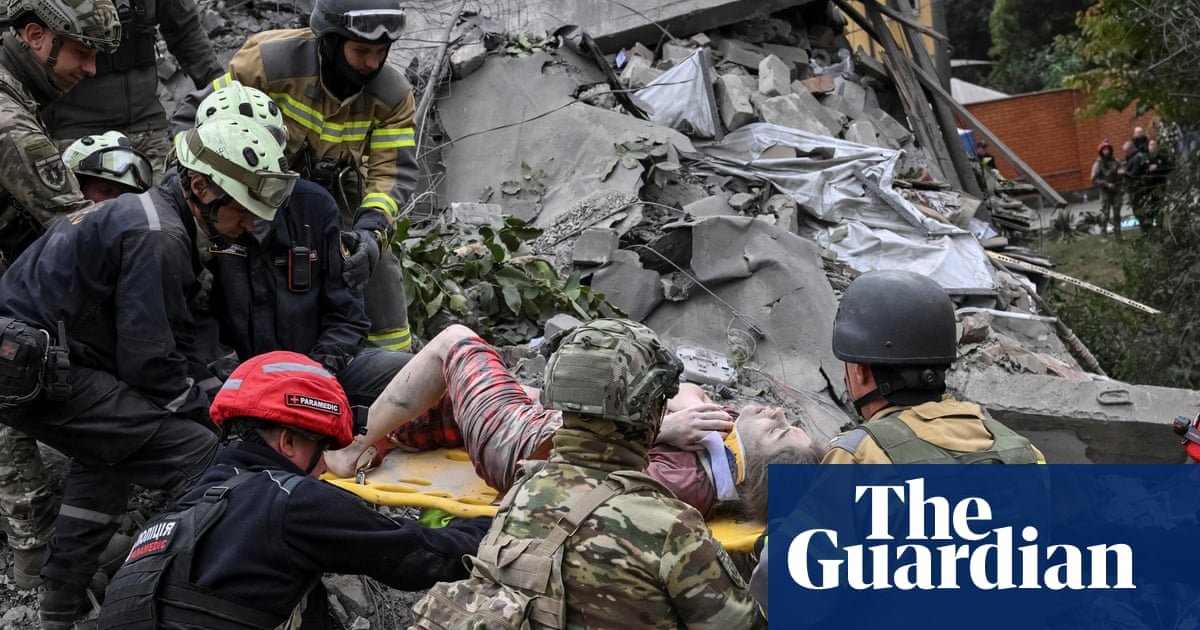
Shortly after the deal was publicized, Russian forces launched a series of strikes against southeastern Ukraine. Ukrainian officials reported that fifteen people were killed in the attacks, including three children, with residential buildings in Zaporizhzhia suffering damage from glide bombs. Zelenskyy explicitly connected these military actions to the US policy shift, stating on social media that Moscow viewed the easing of sanctions as a green light to intensify its campaign against civilian infrastructure.
The Ukrainian president emphasized that any reduction in economic pressure on Russia allows it to continue waging war for longer periods. He argued that the current trajectory signals to Moscow that it can maintain its offensive operations without facing sufficient consequences. Zelenskyy noted that while Ukraine remains open to de-escalatory measures, such steps must be reciprocal and contingent on Russia demonstrating a genuine willingness to reduce hostilities.
In contrast to Kyiv’s outrage, the Kremlin portrayed the diplomatic engagement between Donald Trump and Vladimir Putin as highly productive. A readout from the Russian presidential administration described the conversation as substantive and friendly, with aides noting that both leaders remained engaged until the very end of the call. This positive framing from Moscow stands in stark opposition to Zelenskyy’s assertion that Putin is manipulating the situation for strategic gain.
European leaders have moved quickly to reaffirm their commitment to pressuring Russia financially, despite the shift in American policy. Kaja Kallas, the European Union’s top diplomat, stated that easing pressure on Moscow at this juncture is counterproductive and would only provide more resources for its war machine. She confirmed that EU foreign ministers are preparing to approve a significant expansion of sanctions listings, targeting over one thousand six hundred new individuals and entities associated with Russia’s military apparatus.
The diesel agreement disrupts four years of coordinated Western efforts to financially isolate Moscow. For European governments, balancing support for Ukraine with maintaining a functional relationship with the United States has become increasingly complex. German officials reiterated their unwavering commitment to existing sanctions and ongoing support for Kyiv, while Swedish Prime Minister Ulf Kristersson expressed regret over the US decision, highlighting that energy revenues are critical for funding Russia’s aggression.
The immediate impact of the strikes included widespread power outages in Kyiv, according to the country’s largest private energy provider. These disruptions underscore the vulnerability of Ukraine’s infrastructure to sustained aerial bombardment. As the EU prepares its new sanctions package, the divergence between US and European approaches to Russian energy exports raises questions about the long-term cohesion of Western strategy.
Zelenskyy has warned that Russia must feel the weight of its losses for any peace process to be viable. He pointed to recent Ukrainian operations in the Luhansk region, where attacks resulted in civilian casualties according to local Russian-appointed officials. The situation remains volatile, with Kyiv insisting that only mutual de-escalation can lead to a stable resolution, while Moscow appears emboldened by the new revenue stream.
The timing of the US announcement, coinciding with midterm elections where fuel costs are a key voter concern, suggests domestic political pressures influenced the decision. However, this has created a challenging environment for allied coordination. As European ministers finalize their expanded sanctions list, the gap between Washington’s economic pragmatism and Europe’s security-focused stance continues to widen.
Looking ahead, the effectiveness of these divergent strategies remains uncertain. While the US seeks to mitigate domestic inflation through energy imports, allies fear this undermines the broader goal of constraining Russia’s war economy. The coming weeks will likely reveal whether European sanctions can compensate for the loss of US pressure or if the alliance’s unified front has suffered a permanent fracture.
Sources behind this briefing
Go to the original reporting
- The Guardian World↗Ukraine hit by deadly Russian strikes as ‘thanks’ for Trump diesel deal, Zelenskyy says