The short version
- Russian forces launched a massive barrage targeting Ukrainian energy facilities, plunging five regions into darkness just before scheduled peace talks.
- President Zelenskyy urged the United States to increase military aid, specifically citing a shortage of Patriot interceptors needed for air defense.
- Western political figures face cyber threats and internal debates regarding territorial concessions and the role of European diplomacy in resolving the conflict.
The conflict between Russia and Ukraine has entered a new phase of intensity as diplomatic efforts resume, with Kyiv accusing Moscow of deliberately escalating military operations to weaken its negotiating position. President Volodymyr Zelenskyy stated that the surge in attacks is designed to pressure both Ukrainian officials and their international partners ahead of crucial discussions. This assessment comes as the war marks its 1,719th day, a period characterized by stalled negotiations since Washington redirected significant attention toward its military engagement with Iran earlier this year.
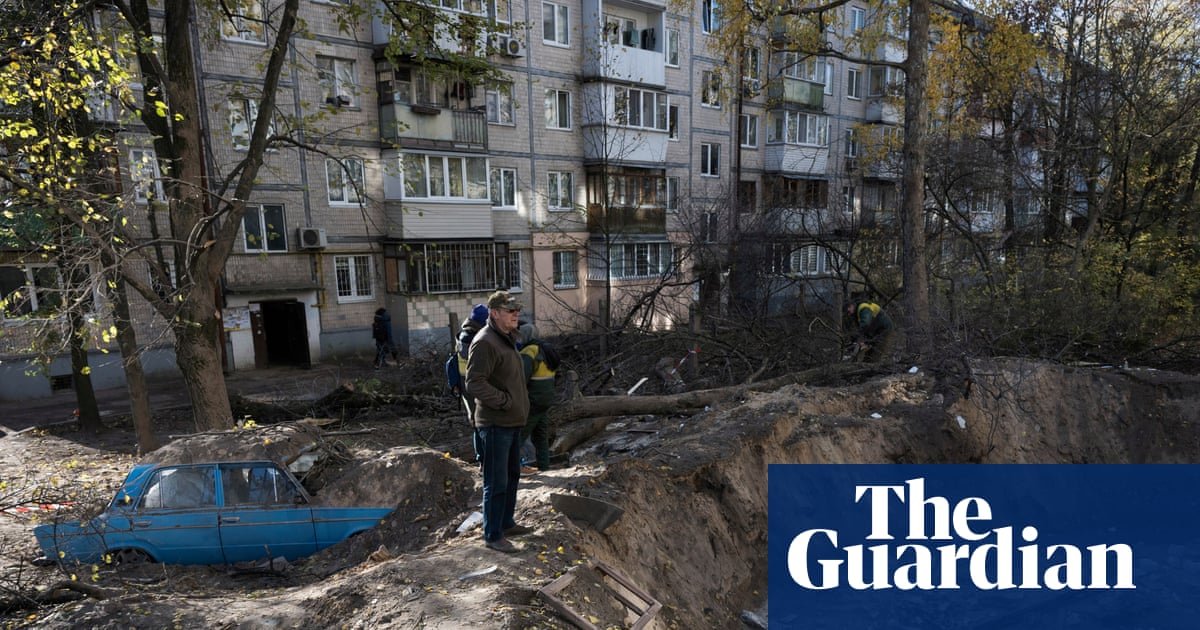
An overnight barrage on Saturday targeted critical energy infrastructure across multiple regions, resulting in widespread power outages. Ukraine’s energy ministry reported that the strikes significantly hampered electricity transmission in Kyiv and surrounding areas while leaving five other regions without power. The timing of these attacks coincides with dropping temperatures, raising immediate concerns about civilian welfare and the resilience of national infrastructure during the winter months. The disruption underscores the strategic value of energy facilities as targets in modern hybrid warfare.
Zelenskyy detailed the scale of the assault, noting that Russian forces deployed 172 drones and 36 ballistic missiles during the night. Among these projectiles were KN-23 missiles, which are manufactured and supplied by North Korea. The involvement of third-party weaponry highlights the global dimensions of the conflict and the complex supply chains supporting Russian military operations. This escalation serves as a stark reminder of the technological capabilities being brought to bear against Ukrainian defenses.
In response to the deteriorating security situation, Zelenskyy called on the United States to bolster its support for Ukraine. He specifically highlighted a significant shortage of interceptors for Patriot air defense systems, asserting that Washington is uniquely positioned to address this gap. The appeal reflects growing anxiety in Kyiv about the sustainability of its defensive capabilities against increasingly sophisticated aerial threats. Without adequate supplies, Ukrainian forces may struggle to protect critical infrastructure and population centers from further degradation.
The diplomatic track is set to revive with a US-brokered trilateral meeting scheduled for next week in Abu Dhabi. Ukrainian officials are expected to engage with Russian negotiators and American envoys on Tuesday and Wednesday, marking the first such direct talks in months. The outcome of these discussions could determine the future trajectory of the conflict, particularly regarding ceasefire terms and security guarantees. However, the current military pressure raises questions about the sincerity of Russia’s participation in good-faith negotiations.
Beyond the battlefield, the conflict continues to impact political figures in allied nations. Italy’s Foreign Minister Antonio Tajani reported being targeted by pro-Russian hackers following his public support for Ukraine. He stated that his personal data had been leaked on the dark web, with malicious actors seeking further information about him and his family. Italian Prime Minister Giorgia Meloni expressed strong support for Tajani, condemning the sale of confidential information related to public officials as a serious concern. Moscow has not commented on these cyber incidents.
In France, the debate over Ukraine’s future remains contentious within the political landscape. Jean-Luc Mélenchon, a far-left presidential contender, argued that any peace settlement involving territorial concessions must be subject to consultation with the affected populations. Speaking at a rally outside Paris, he emphasized that Europe should play an active role in mediating the conflict rather than leaving decisions solely to external powers. His stance reflects broader European anxieties about sovereignty and the democratic legitimacy of post-war borders.
Meanwhile, Ukrainian forces continue to conduct cross-border operations, targeting Russian territory in response to ongoing aggression. A drone strike in Russia’s Belgorod region killed one person when it hit a private home in Grayvoron. Russian defense officials claimed to have shot down 411 Ukrainian drones overnight across ten regions, including Crimea and the Black Sea area. Reports also indicated damage to the Saratov Oil Refinery, with images showing smoke rising over the city. These reciprocal attacks illustrate the persistent volatility along the front lines and the expanding scope of aerial combat.
Sources behind this briefing
Go to the original reporting
- The Guardian US↗Ukraine war briefing: Russia ramping up attacks to ‘pressure’ Kyiv at trilateral talks, Zelenskyy says


