The short version
- Ukrainian leadership reports total damage to national power infrastructure, prompting urgent requests for equipment from Spanish and Latin American firms.
- US President Trump hints at a sweeping agreement involving Russia and Europe, raising concerns among allies about potential pressure on Kyiv.
- European unity fractures as Italian Prime Minister Meloni criticizes the EU's fragmented approach to peace talks, though officials agree on the need for coherence.
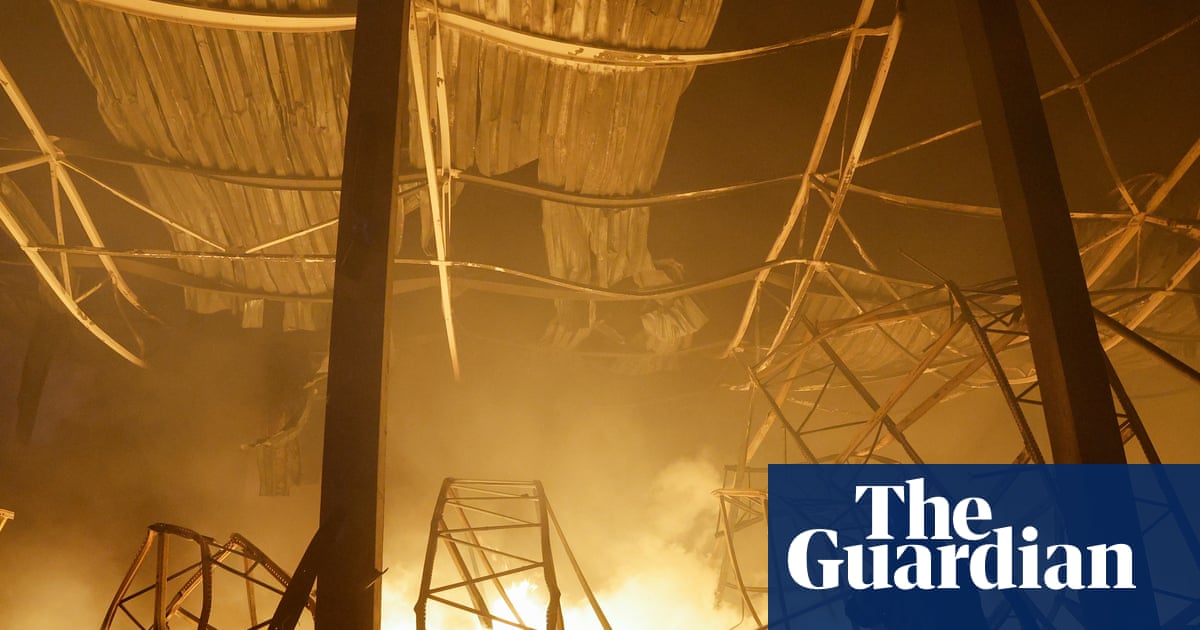
The conflict in Ukraine has entered a critical phase marked by severe infrastructure degradation and growing diplomatic discord among Western allies. On day 1,717 of the war, Ukrainian President Volodymyr Zelenskyy declared that every power plant in the country has sustained damage from Russian attacks. This assessment underscores the escalating severity of Moscow’s campaign against civilian energy systems, which now threatens to paralyze essential services across the nation.
Zelenskyy made these remarks while addressing leaders at a summit of the Ibero-American Community in Madrid. He emphasized that repair crews are operating continuously but lack the necessary resources to restore the grid fully. The Ukrainian president specifically called on companies from Spain and Latin America to provide compatible equipment for the power network. His appeal highlights a strategic pivot toward diversifying international support beyond traditional European partners, seeking rapid assistance to mitigate the humanitarian impact of blackouts.
Simultaneously, diplomatic tensions are rising within the United States regarding the path forward for peace negotiations. President Donald Trump announced that he anticipates a significant agreement with Russia, one that could extend beyond Ukraine to encompass broader European security issues. These comments followed an unscheduled meeting with Kirill Dmitriev, a Russian envoy who was present at the White House for separate discussions hosted by First Lady Melania Trump involving Ukrainian officials.
Trump’s characterization of the potential deal as 'very big' and his assertion that it might involve all of Europe have sparked anxiety among European partners. Critics fear this approach may signal a shift in US policy toward accommodating Moscow, potentially pressuring Ukraine to accept unfavorable terms to end the invasion. The lack of direct engagement between Trump and the Ukrainian delegation during their visit further fuels speculation about the administration’s priorities and the future trajectory of American support for Kyiv.
On the ground, violence continues unabated despite ongoing diplomatic efforts. Overnight airstrikes were exchanged between Russian and Ukrainian forces, with reports indicating that a major oil refinery in Ryazan, located southeast of Moscow, came under attack during a large drone strike on industrial sites. In Ukraine, rescue operations remain active in the Zaporizhzhia region, where more than thirty people are believed to be trapped following Russian guided bomb strikes on a school and shelter. The death toll from these attacks has risen, with Zelenskyy confirming forty-three fatalities.
Further complicating the military landscape, leaked defense documents reveal deepening cooperation between Russia and Iran. According to information obtained by a Ukrainian private intelligence firm, Moscow has arranged to supply Tehran with ninety launchers for advanced guided missiles. These weapons, specifically designed for attack helicopters, have been used extensively by Russian forces against Ukrainian positions. This transfer suggests an intensification of military ties that could alter the balance of capabilities on the battlefield.
Within Europe, internal disagreements over how to handle the crisis are becoming more pronounced. Italian Prime Minister Giorgia Meloni has publicly criticized the European Union’s approach to negotiations, describing it as disorderly and lacking credibility. In a letter to European Council chief António Costa, Meloni argued that the proliferation of meetings in various formats undermines the bloc’s authority. She urged for a unified voice in dealings with Russia, emphasizing the complexity of the situation.
Costa responded by agreeing that Europe must act with coherence, unity, and determination. However, the divergence in perspectives highlights the challenges facing NATO and EU partners as they navigate the dual pressures of supporting Ukraine and managing relations with Washington. As reconstruction talks continue in Brussels, the disconnect between diplomatic rhetoric and the reality on the ground remains stark. The coming weeks will likely test the resilience of international alliances and the durability of Ukraine’s infrastructure under sustained assault.
Sources behind this briefing
Go to the original reporting
- The Guardian US↗Ukraine war briefing: Zelenskyy says Russia has damaged ‘every power plant’ as he seeks Latin American help


