The short version
- President Zelenskyy has directed Ukrainian forces to increase long-range drone attacks on Russia from approximately 300 to 1,000 per day.
- Russian gasoline production has dropped to roughly 70% of domestic consumption levels following sustained strikes on major refineries in key industrial regions.
- Western officials report that Russian monthly troop losses now exceed recruitment rates by approximately 6,000 soldiers, creating a persistent personnel deficit.
Ukraine has significantly intensified its aerial campaign against Russian territory, with President Volodymyr Zelenskyy ordering the military to triple the frequency of long-range drone strikes. The directive raises the daily target from roughly 300 attacks to 1,000, marking a notable escalation in Kyiv’s strategy to pressure Moscow’s economic and military infrastructure. This shift comes as the conflict enters its fifth year, with both nations increasingly targeting logistical hubs and industrial assets rather than solely focusing on frontline positions.
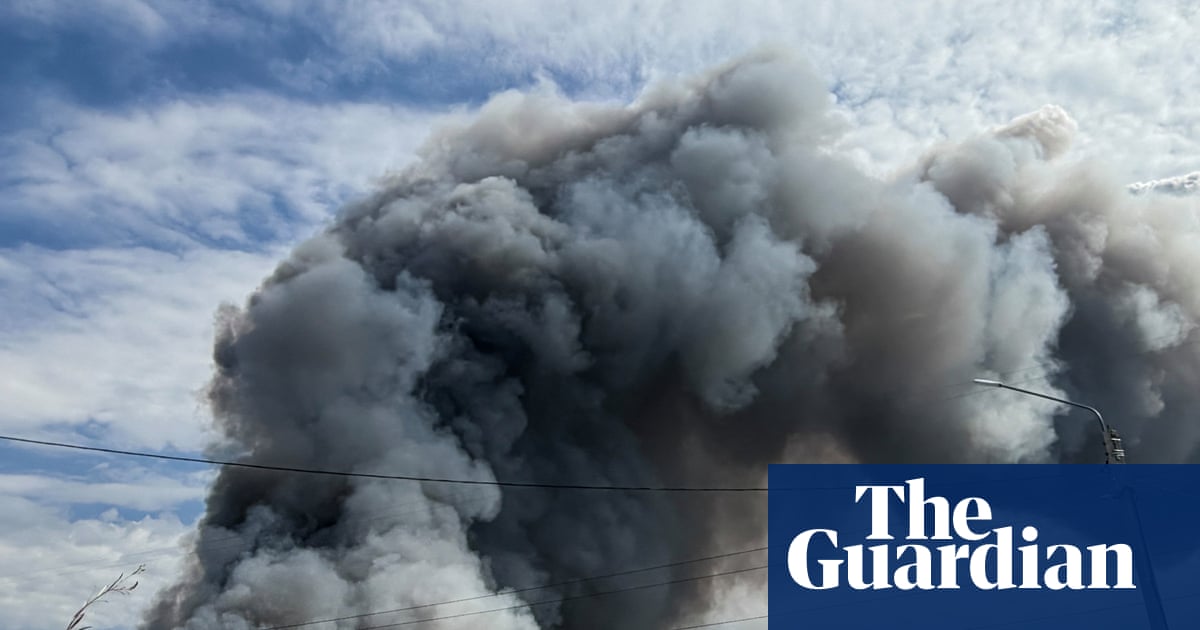
The impact of these intensified operations is already visible in Russia’s energy sector. Industry sources indicate that Russian gasoline production has fallen to approximately 70% of domestic consumption levels by late August. This decline follows a series of successful drone strikes that forced major refineries in Perm, Nizhny Novgorod, and Yaroslavl to suspend operations. Although some local authorities briefly eased fuel sales restrictions at the end of July, shortages have returned across various Russian regions as attacks resumed with greater frequency.
Simultaneously, the human cost of the war continues to mount for Russian forces. Western officials estimate that Moscow is losing approximately 6,000 more troops each month than it can recruit. While Russia maintains a rapid recruitment pace, estimated at around 1,000 new soldiers per day, this influx has proven insufficient in recent months to replace those killed or injured on the battlefield. This growing personnel gap suggests increasing strain on Russian military logistics and morale.
In response to Ukrainian aggression, Russian forces have escalated their own aerial bombardment of Ukraine, particularly targeting economic infrastructure. Recent strikes have devastated approximately 90% of food logistics networks operated by major retail chains in Ukraine. The damage includes warehouses belonging to premier supermarket chains, the national postal service, and home-goods retailers. Despite the extensive destruction, Ukrainian agricultural officials maintain that the population will not face immediate food shortages, though the fragility of the supply chain remains a critical concern.
The conflict has also disrupted regional stability in southern Russia. Authorities in the Rostov region declared a state of emergency on Friday, citing port closures and navigation disruptions in the Azov-Black Sea basin. These logistical bottlenecks have led to significant accumulations of agricultural products at local farms, unable to reach markets or export terminals. The declaration highlights how the war’s spillover effects are impacting civilian economic activities well beyond the immediate combat zones.
On the diplomatic and political front, Ukraine’s former defense minister, Mykhailo Fedorov, has taken on a new role as an innovation adviser at Italy’s Defense Ministry. Fedorov, who was dismissed in July after initiating controversial reforms regarding procurement and mobilization, accepted the position shortly after Italian Defense Minister Guido Crosetto extended the offer. His departure from Kyiv marked the end of a turbulent tenure that saw him clash with both the military establishment and political rivals over modernization efforts.
Safety concerns persist at the Zaporizhzhia nuclear power plant, which remains under Russian control. The International Atomic Energy Agency reported three drone incidents at the facility earlier in the week. One attack near the cooling pond on August 25 reportedly injured two employees, while two other drones struck the dry spent nuclear fuel storage area and sprinkler systems on August 26. Despite these breaches, radiation levels at the plant have remained within normal parameters, averting a potential environmental catastrophe.
Looking ahead, Ukraine appears prepared for the coming winter months. Energy Minister Denys Shmyhal confirmed that the country has stored 14.6 billion cubic meters of natural gas in underground facilities, sufficient to meet baseline consumption needs through the colder season. This stockpiling effort aims to mitigate the impact of ongoing Russian attacks on energy infrastructure, ensuring a degree of stability for civilians even as aerial bombardments continue to damage residential and commercial properties in regions like Kyiv.
Sources behind this briefing
Go to the original reporting
- The Guardian US↗Ukraine war briefing: Zelenskyy orders military to triple daily long-range strikes on Russia

