The short version
- Ukrainian leadership is seeking explicit, documented commitments from Western partners regarding military support if hostilities resume after a ceasefire.
- Allies in Brussels focused on funding mechanisms and security frameworks ahead of planned three-way negotiations involving the United States and Russia.
- Ongoing Russian strikes have killed dozens in civilian areas and disrupted power grids, complicating diplomatic efforts to establish stability.
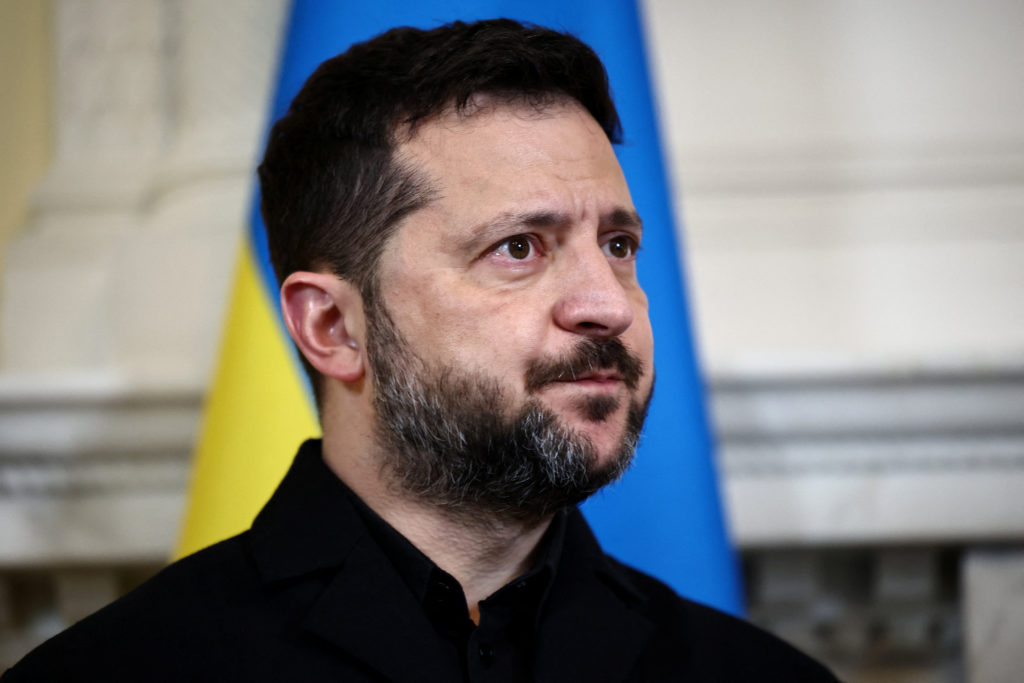
Ukrainian President Volodymyr Zelenskyy has intensified calls for definitive security assurances from Western allies, emphasizing the need for clear documentation on how postwar support would operate. His remarks followed a series of high-level meetings in Brussels where officials from the United States, United Kingdom, France, Germany, and the European Union convened to discuss reconstruction funding and long-term defense strategies. The discussions also included representatives from international financial institutions and private investment firms, signaling an attempt to blend diplomatic and economic tools in preparing for a potential end to the conflict.
Zelenskyy stated that vague promises are insufficient; he wants specific details on who would act, with what resources, and under what timelines if Russia were to resume aggression. This demand for clarity comes as Kyiv prepares for its first trilateral peace talks with Moscow and Washington in nearly a year, scheduled to take place in Abu Dhabi next week. The Ukrainian president noted that recent electoral shifts in the United States might improve the flow of military aid, particularly Patriot missile systems, which Kyiv considers essential for defending against aerial bombardments.
Despite diplomatic momentum, the physical reality of the war remains severe. Russian forces launched extensive drone attacks overnight, causing widespread power failures across multiple regions, including the capital area. Authorities in Bulgaria identified a downed Russian drone in the Black Sea, highlighting the geographic reach of Moscow’s military operations. These strikes underscore the persistent threat environment that complicates any negotiation process aimed at securing lasting peace.
The human cost of the conflict continues to mount. A recent guided bomb strike on a former school repurposed as an aid distribution center in the southeastern village of Komyshuvakha has resulted in at least 53 confirmed deaths. Dozens more remain missing, marking one of the deadliest incidents in the region since the full-scale invasion began nearly five years ago. The destruction of such facilities raises serious questions about compliance with international humanitarian law and adds emotional weight to the diplomatic discussions occurring in Europe.
In Brussels, negotiators addressed both immediate security concerns and long-term reconstruction needs. Ukrainian lead negotiator Rustem Umerov reported that separate conversations focused on countering Russian threats to Ukraine and broader European stability. While no formal agreement was reached during these two days of talks, participants aimed to develop practical arrangements that could reduce future conflict risks. The involvement of entities like BlackRock suggests an effort to integrate private capital into the rebuilding process alongside traditional state aid.
European officials have tempered expectations regarding immediate breakthroughs. Paula Pinho, a spokesperson for the European Commission, emphasized that significant work remains before any deal can materialize. She pointed out that progress depends heavily on Russia’s willingness to engage constructively, noting a lack of movement from Moscow thus far. The EU’s stance reflects caution about relying solely on diplomatic channels without tangible concessions from the aggressor state.
Meanwhile, President Donald Trump met with Russian envoy Kirill Dmitriev but declined to disclose details of their conversation. He hinted at a broad agreement that might extend beyond Ukraine to encompass all of Europe. His son-in-law Jared Kushner described the Brussels talks as efforts to create a stable and predictable security environment for all parties involved. However, the Kremlin offered little insight into its position, with spokesman Dmitry Peskov stating that no specific ideas had been received from European counterparts.
Peskov criticized European leaders for indecisiveness and lack of readiness, arguing that meaningful dialogue between Russia and Ukraine cannot occur without Europe’s active participation. He suggested that Moscow views current diplomatic efforts as fragmented due to unclear authorization structures among Western nations. This skepticism highlights the complex web of interests and mistrust that characterizes ongoing negotiations.
As preparations continue for the Abu Dhabi summit, stakeholders face the challenge of balancing urgent humanitarian needs with strategic long-term planning. The death toll from recent attacks serves as a stark reminder of the stakes involved. For Zelenskyy and his allies, securing robust security guarantees is not just about ending the current war but preventing its recurrence. Whether these talks will yield concrete results or merely prolong uncertainty remains to be seen.
The coming weeks will test the resilience of international cooperation in addressing one of the most pressing geopolitical crises of our time. With energy infrastructure under attack and civilian casualties rising, the pressure is on diplomats to deliver solutions that protect lives while laying groundwork for sustainable peace. All eyes now turn to Abu Dhabi, where leaders must navigate deep divisions and historical grievances to forge a path forward.
Sources behind this briefing
Go to the original reporting
- PBS NewsHour↗Zelenskyy pushes for 'clear' postwar security guarantees in Ukraine


