The short version
- Ukraine aims to produce its own anti-ballistic missile components by early 2027, reducing reliance on Western systems like Patriot.
- Civilian casualties in Ukraine have surged significantly in the first half of 2026 compared to previous years, driven by intensified aerial attacks.
- Security concerns escalated after an explosive device was discovered near Ukrainian military cargo at a German airport.
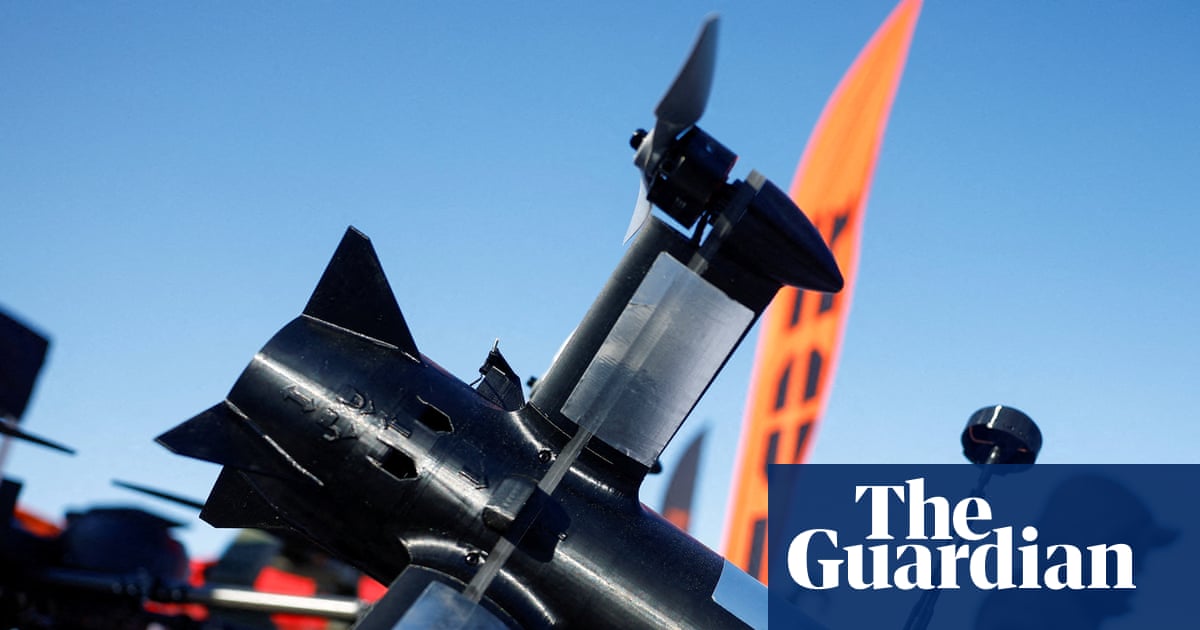
Ukrainian leadership has announced an accelerated timeline for developing indigenous missile defense capabilities, marking a strategic shift toward greater self-reliance in critical military hardware. President Volodymr Zelenskyy stated that the nation seeks tangible progress by the end of the current year in creating an alternative to the Patriot air defense system. This initiative is part of the broader Freyja program, a joint European effort to build anti-ballistic systems. The goal is to establish a production line where Ukrainian manufacturers handle missiles and launchers while international partners supply essential components such as radars and sensors.
The urgency stems from the need to bypass the decades-long development cycles typical of traditional defense industries. Zelenskyy emphasized that Ukraine must compress this timeline significantly, aiming for operational results by the transition between 2026 and 2027. He indicated that recent meetings with senior officials focused on removing bureaucratic and logistical barriers to allow domestic developers to deliver functional weapons systems rapidly. This push for autonomy comes as Kyiv also advances its own ballistic missile programs, citing strong potential in recent tests that now require conversion into deployable armaments.
This industrial pivot occurs against a backdrop of intensifying violence and rising civilian tolls. The United Nations office in Kyiv reported that 1,396 civilians were killed and nearly 8,000 injured during the first six months of this year. These figures represent a substantial increase compared to the same period last year and more than double the casualties recorded in 2024. The UN attributed this spike primarily to an escalation in long-range aerial attacks by Russian forces, which have targeted populated areas with increasing frequency.
Diplomatic responses to the violence have been mixed. While UN Secretary-General António Guterres condemned the large-scale missile and drone strikes on Ukrainian cities, his spokesperson also criticized recent Ukrainian drone operations targeting regions within Russia. This dual condemnation reflects a broader pattern of escalating strikes against civilian infrastructure on both sides of the conflict. Russian officials have increasingly justified their attacks by claiming they target militarized civilian sites such as warehouses and logistics hubs, while simultaneously portraying Ukrainian counter-strikes as threats to Russian civilians.
Security vulnerabilities extended beyond the immediate battlefield this week when an explosive device was discovered at Leipzig airport in Germany. According to a classified police report cited by German media, the drone carrying explosives landed near a Ukrainian aircraft transporting military ammunition. Authorities noted that a malfunctioning detonator likely prevented the device from exploding on the tarmac. The incident has raised concerns about the safety of European logistics hubs used for military aid and highlighted the reach of asymmetric threats against supply chains supporting the war effort.
On the operational front, Ukrainian forces continued to strike deep inside Russian territory. Zelenskyy confirmed attacks on oil refineries in the Bashkortostan and Yaroslavl regions, located hundreds of kilometers from the frontline. The governor of Yaroslavl acknowledged that oil reservoirs were set ablaze during these operations. Additionally, Ukrainian military units reported sinking two Russian patrol boats and vessels associated with Moscow’s shadow fleet in the Black Sea. These strikes aim to disrupt Russia’s energy exports and naval capabilities, despite Russian claims of intercepting hundreds of incoming drones.
The conflict’s impact on civilian livelihoods remains severe, particularly for agricultural sectors dependent on maritime trade. A recent Russian attack damaged a foreign-flagged vessel carrying wheat in Ukraine’s Black Sea area, resulting in one crew member’s death and causing a fire. In response, the Ukrainian government announced plans to provide subsidized credits and financial assistance to farmers affected by disruptions to shipping and port facilities. These measures aim to mitigate economic damage as safe passage corridors face renewed threats from hostile actions.
Diplomatic efforts are also underway to isolate Russia internationally. Zelenskyy is scheduled to visit Serbia, marking his first trip to Belgrade since the invasion began. Ukrainian officials view this engagement as an opportunity to distance Serbian leadership from Moscow’s sphere of influence. The visit underscores Kyiv’s strategy of leveraging diplomatic channels to counter Russian alliances while simultaneously strengthening domestic defense industries and addressing the humanitarian consequences of prolonged warfare.
Sources behind this briefing
Go to the original reporting
- The Guardian US↗Ukraine war briefing: We will build missiles the way we built drones – Zelenskyy

