The short version
- The UK government refuses to release emergency drought plans, citing national security and fears of public alarm, despite widespread drought conditions in England and Wales.
- Campaigners and opposition politicians demand transparency regarding how water will be allocated between households, agriculture, and high-consumption industries like data centers during crises.
- Regulators are considering allowing utility companies to increase billing rates during dry periods, raising concerns about equitable access to essential resources.
The United Kingdom government is facing intensifying criticism for its decision not to make public the emergency drought plans developed by water utilities. While statutory drought strategies are released every five years to outline general responses to dry conditions, separate emergency protocols remain classified. Officials state that withholding these documents is necessary for security reasons and to prevent unnecessary public alarm. However, environmental advocates and political opponents characterize this opacity as irresponsible, arguing that citizens deserve to know how their water supply will be managed as climate-driven droughts become more frequent and severe.
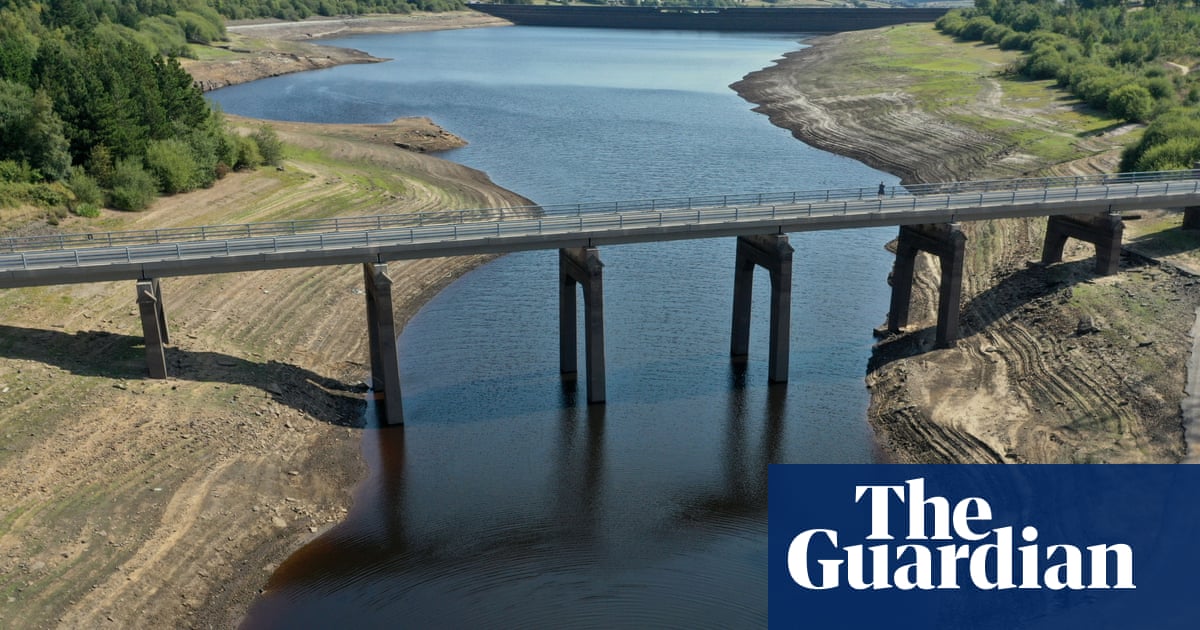
Current hydrological data underscores the urgency of the debate. Five major reservoirs across England and Wales are currently at exceptionally low levels. Approximately seventy-five percent of England and the entirety of Wales are officially under drought conditions. The statutory plans for the 2027 to 2032 period, which are currently open for consultation, outline a range of potential interventions. These measures escalate from minor restrictions to extreme scenarios involving street standpipes or rotational water cuts that would limit supply to just a few hours each day. The existence of these detailed contingency plans highlights the severity of the threat, yet the specific emergency triggers and allocation priorities remain hidden from public view.
Proponents of secrecy argue that publishing detailed emergency protocols could destabilize critical infrastructure and economic sectors. Industry insiders suggest that revealing such plans might trigger panic among consumers, leading to hoarding or premature depletion of reserves before an actual crisis occurs. Experts note that water shortages can have cascading effects on national security, particularly regarding energy production. For instance, recent extreme heat and drought in Europe forced the shutdown of several nuclear power plants due to insufficient cooling water. Keeping emergency response strategies confidential is viewed by some as a way to protect these vital industries from speculative attacks or market volatility.
Conversely, critics argue that transparency is essential for social stability and effective planning. Alastair Chisholm, a policy expert at Arup, notes that society is entering a new normal where difficult decisions regarding water allocation will become commonplace. He points to the 2018 Day Zero crisis in Cape Town, South Africa, as a cautionary tale of how fear and uncertainty can exacerbate social tensions when water supplies dwindle. Without clear communication, public anxiety may grow unchecked, making it harder for authorities to manage behavioral changes required during severe shortages.
A central point of contention involves the prioritization of water users during emergencies. There is growing concern that water-intensive industries, particularly data centers supporting artificial intelligence operations, may receive preferential treatment over residential households and agriculture. Ollie Hayes of Global Action Plan argues that the secrecy surrounding these plans fuels suspicion that controversial allocation decisions have already been made behind closed doors. The trade body Water UK has requested that the government publish a drought hierarchy to clarify which sectors would be prioritized, but ministers have not yet complied with this request.
The lack of a clear national framework is already impacting development and economic activity in several regions. In counties such as Sussex, Cambridgeshire, Suffolk, and Norfolk, housing and business projects are being delayed due to inadequate water infrastructure and supply uncertainties. These delays highlight the immediate practical consequences of failing to address long-term water security. Furthermore, global food prices have reached a three-year high, driven by heatwaves, drought, and geopolitical conflicts, adding another layer of complexity to domestic resource management.
Political pressure is mounting for more radical solutions. Zack Polanski, leader of the Green Party, has called for the full nationalization of water companies to prevent catastrophic shortages in the coming years. He describes the current situation as deeply worrying, emphasizing that people have a right to know what measures are in place to protect their access to drinking water. The debate extends beyond mere transparency; it touches on fundamental questions about ownership, accountability, and the role of private utilities in managing public goods during climate emergencies.
Compounding the controversy is a recent report indicating that Ofwat, the water industry regulator, is considering allowing water companies to raise customer bills during drought periods. This potential policy shift has drawn sharp criticism from campaign groups like River Action, which argue that it penalizes consumers for systemic failures in infrastructure and planning. Amy Fairman of River Action emphasizes the need for a holistic national water security plan rather than ad hoc responses that lack transparency.
As the climate crisis accelerates, the tension between operational security and public accountability is likely to intensify. The Department for Environment, Food and Rural Affairs maintains that emergency plans supplement publicly available statutory documents, but this distinction does little to assuage concerns about hidden decision-making processes. With water becoming an increasingly scarce commodity and demand rising from both population growth and industrial expansion, the absence of a clear, transparent strategy leaves the public vulnerable to sudden and severe disruptions in supply.
The coming months will test the resilience of the UK’s water management systems. Whether through rotational cuts, price adjustments, or prioritization of specific sectors, the decisions made now will set precedents for future crises. The current standoff over transparency reflects a broader challenge: how to balance the need for stable infrastructure with the democratic right to information in an era of escalating environmental risk.
Sources behind this briefing
Go to the original reporting
- The Guardian US↗UK government ‘irresponsible’ for not publishing emergency drought plans

