The short version
- Regulators have issued a UK-wide warning that sunbed advertisements must not minimize cancer risks or imply therapeutic value.
- Medical experts link early exposure to tanning beds with a significant increase in melanoma rates, particularly among users under thirty-five.
- The industry association supports the ban on false claims but argues businesses should still be permitted to demonstrate responsible operational standards.
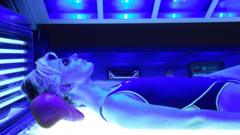
A major regulatory shift is underway in the United Kingdom as advertising watchdogs move to eliminate misleading health claims associated with tanning beds. The Committee for Advertising Practice has issued a comprehensive enforcement notice designed to send an unambiguous signal to the tanning industry: marketing materials must not downplay the serious health hazards linked to ultraviolet light exposure. This directive targets a growing trend of social media content and traditional advertisements that suggest sunbeds are safe or capable of treating various medical conditions, ranging from skin disorders to mental health issues.
The crackdown follows an investigation by news organizations that identified hundreds of online videos promoting these devices as remedies for ailments such as eczema, depression, and osteoporosa. Regulators have determined that such assertions are not only inaccurate but potentially dangerous, as they may deter individuals from seeking appropriate medical care. The new rules explicitly forbid advertisers from presenting sunbed use as a method to improve health, boost energy, or serve as a source of vitamin D. Companies have until early December to ensure all their marketing materials comply with these updated standards.
Medical professionals and cancer charities have long warned about the dangers of artificial tanning. The World Health Organization notes that using sunbeds before the age of thirty-five increases the lifetime risk of developing melanoma by nearly sixty percent. This statistic is particularly concerning given demographic data showing that young adults are the most frequent users of these devices. Recent surveys indicate that one in seven individuals aged eighteen to twenty-four have used a tanning bed in the past year, a rate double that of the general population.
Health advocates argue that clear information is vital for protecting this vulnerable demographic. Representatives from teenage cancer support organizations emphasize that skin cancer remains one of the most prevalent forms of the disease among young adults. They welcome the stricter enforcement measures as a necessary step to ensure that consumers, particularly teenagers and young adults, rely on trusted medical sources like the National Health Service rather than commercial advertisements for health guidance. The goal is to prevent misinformation from overshadowing established medical advice regarding skin protection.
Despite the regulatory pressure, the tanning industry has pushed back against the notion that all promotional activity should cease. The Sunbed Association, which represents approximately half of the UK’s tanning salons, stated its full support for action against misleading advertisements. However, the group insists there is a distinction between making false health claims and demonstrating that a business operates responsibly. Industry leaders argue that members should still be allowed to explain how they adhere to safety regulations, such as screening customers with very fair skin or limiting the number of sessions an individual can purchase annually.
Gary Lipman, chairman of the Sunbed Association, emphasized that his organization does not encourage members to use health benefits as a selling point. He noted that the association has collaborated with regulators to ensure the new code allows businesses to highlight their compliance with safety standards without implying that the devices are risk-free. The association’s guidelines already restrict individuals from buying more than sixty sessions per year and mandate staff training to identify high-risk customers. This cooperation suggests an attempt to balance regulatory demands with the need for legitimate business communication.
The enforcement of these new rules will be aided by advanced technology. Regulators plan to deploy an artificial intelligence-based monitoring system to scan for advertisements that continue to violate the code. This automated approach aims to identify non-compliant content more efficiently than manual reviews alone. The Advertising Standards Authority, which enforces the CAP code, has already banned several adverts in recent months for making unsubstantiated claims about managing conditions like depression and bone density issues.
Sunbed use remains legal and regulated across all parts of the UK, with strict limits on the intensity of ultraviolet light emitted by the devices and a complete ban on usage by minors. The wider health and beauty sector generates billions in annual sales, making compliance a significant operational challenge for many businesses. As the deadline approaches, companies must carefully review their marketing strategies to avoid penalties while navigating the fine line between promoting their services and adhering to public health warnings.
The broader implications of this crackdown extend beyond the tanning industry. It reflects a growing trend of regulators using digital tools to police health misinformation in advertising. By targeting claims that could discourage people from seeking medical treatment, authorities aim to protect public health without banning the products themselves. The coming months will reveal how effectively the AI monitoring system can detect subtle violations and whether the industry adapts its messaging to align with the new strictures.
Sources behind this briefing
Go to the original reporting
- BBC News↗Sunbed firms must not downplay cancer risk, says watchdog