The short version
- The Vaccine Damage Payment Scheme has cost £83 million to operate since April 2022, while only £32 million has been paid out to claimants.
- Of more than 24,000 claims submitted, primarily related to AstraZeneca jabs, just 264 have resulted in successful financial awards.
- Critics and think tanks argue the system is inefficient, while officials attribute rising costs to a surge in application volume.
New financial data reveals a significant disparity between the operational costs of the United Kingdom’s vaccine injury compensation program and the actual funds reaching affected individuals. The Vaccine Damage Payment Scheme, which provides financial support to people severely disabled by vaccinations, has incurred £83 million in administrative and medical assessment expenses since April 2022. In contrast, only £31.6 million has been disbursed to victims during the same period. This imbalance has drawn sharp criticism from oversight groups and families affected by vaccine injuries, who argue that the current structure fails to deliver value to those it was designed to help.
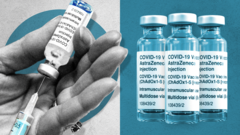
The scheme, originally established in 1979 to address rare adverse reactions to any type of vaccine, has seen a dramatic increase in activity following the global pandemic. Data indicates that more than 24,000 claims have been submitted since November 2021. The vast majority of these applications are linked to the AstraZeneca coronavirus vaccine and other jabs administered during the health crisis. Despite the high volume of inquiries, the approval rate remains low. Only 264 claims have been deemed successful so far, with recipients eligible for a one-time, tax-free payment of £120,000 upon meeting the threshold for severe disablement.
The financial burden on the public purse has grown substantially over recent years. Medical assessment costs alone rose from £4.3 million in the 2022-2023 fiscal year to £19.3 million in 2025-2026. These assessments are conducted by independent doctors who review each application to determine if the injury meets the strict criteria for compensation. The process is often lengthy, taking months or even years to complete. The NHS Business Services Authority, which manages the scheme on behalf of the government, attributes the rising expenses to the sheer volume of claims received since they took over administration in late 2021.
Critics argue that the system is fundamentally flawed. Kate Scott, a representative for Vaccine Injured and Bereaved UK, described the current arrangement as offering too little support, arriving too late, and reaching too few people. She highlighted the inefficiency of the program, noting that the high operational costs suggest a failure to prioritize victim compensation. Scott called for immediate action based on recommendations from the ongoing public inquiry into the government’s handling of the pandemic. Her husband, Jamie, was left severely disabled after receiving an AstraZeneca dose, a personal tragedy that underscores the human cost behind the statistics.
The Taxpayers’ Alliance, a think tank focused on fiscal responsibility, echoed these concerns. They stated that the public would likely be shocked to learn that administrative overheads have far exceeded the payouts to injured parties. John O’Connell, the organization’s chief executive, urged ministers to justify the high expenses and eliminate unnecessary bureaucracy. He emphasized the need for an urgent review to ensure that a greater proportion of funds reaches the intended beneficiaries rather than being consumed by processing fees and supplier contracts.
Government officials have defended the expenditure while acknowledging the need for improvement. Health Minister Dame Diana Johnson confirmed the total spending figures in response to a parliamentary question, noting that costs include staffing, administration, and medical reviews. The Department for Health and Social Care stated it is carefully considering recommendations from the COVID-19 Inquiry, particularly those regarding reforming the compensation structure. Baroness Heather Hallett, the inquiry’s chair, has suggested increasing payout amounts and basing them on the severity of the injury suffered, rather than a fixed sum.
The AstraZeneca vaccine played a critical role in the global response to the pandemic, credited with saving millions of lives worldwide. However, for the small number of individuals who experienced severe adverse reactions, the consequences have been devastating. The tension between recognizing the broad public health benefits of vaccination and addressing individual harms remains a complex policy challenge. The current data highlights the difficulty of balancing efficient administration with adequate support for victims in a system overwhelmed by unprecedented demand.
Looking ahead, the government has promised to respond shortly to the inquiry’s recommendations. In the interim, officials are working to accelerate the claims process and improve the experience for applicants. The NHS Business Services Authority continues to collaborate with government bodies to manage costs effectively. As the debate over vaccine injury compensation evolves, stakeholders await clarity on whether structural changes will be implemented to address the inefficiencies that have characterized the scheme’s operation during the post-pandemic period.
The revelation of these figures marks a turning point in the discussion around vaccine safety nets. With administrative costs spiraling and approval rates remaining low, pressure is mounting on policymakers to redesign the framework. The outcome of this review could set a precedent for how future public health initiatives handle rare but serious adverse events. For now, families like Scott’s continue to navigate a system they describe as broken, hoping for reforms that prioritize timely and fair compensation over bureaucratic overhead.
Sources behind this briefing
Go to the original reporting
- BBC News↗Running costs of vaccine damage scheme more than double amount paid to victims

