The short version
- The agreement prevents potential strike action on major routes including the London-Manchester corridor.
- Drivers will receive a 3.6% pay rise, which exceeds the current inflation rate by 0.7 percentage points.
- The deal arrives as Avanti West Coast prepares for renationalization scheduled for spring 2027.
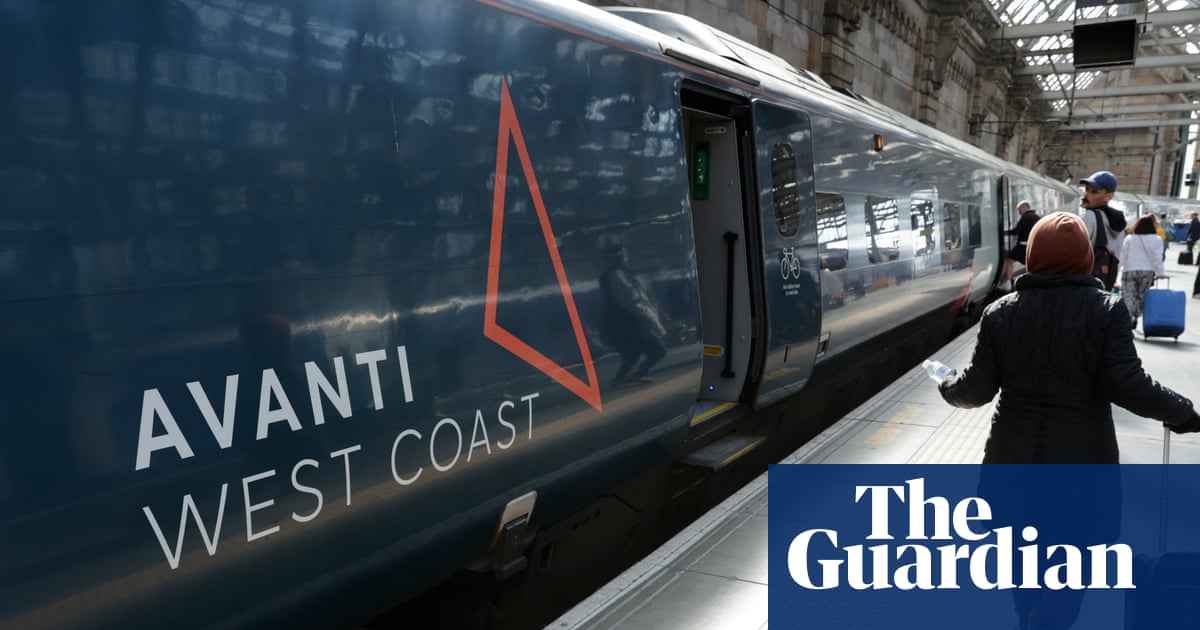
Rail passengers in the United Kingdom have been spared significant disruption after train drivers accepted a new pay agreement with Avanti West Coast. The settlement, finalized over the weekend, resolves a growing dispute that had threatened to halt services on some of the country’s busiest rail corridors. By securing this deal, the operator and the Associated Society of Locomotive Engineers and Firemen (Aslef) union have removed the immediate risk of industrial action that was looming after the union announced plans in June to ballot its members over compensation issues.
The core of the agreement centers on a 3.6% increase in wages for drivers. This figure is notable because it sits 0.7 percentage points higher than the most recent inflation data, offering real-term gains to the workforce. In addition to the base pay adjustment, the contract introduces enhanced compensation for specific working conditions. Drivers will now receive time and a half for shifts worked on Sundays. Furthermore, those who work a fifth day within a single week will be awarded an additional £720, addressing concerns about workload intensity and weekend availability.
This resolution carries political weight as it represents the first major labor deal to receive approval from Prime Minister Andy Burnham since taking office. The government has framed the settlement as a strategic priority, emphasizing the need to resolve union disputes quickly to improve passenger services and prevent revenue losses that ultimately burden taxpayers. Officials stated that keeping the railways moving was essential for economic stability and public confidence in the transport network.
The timing of the agreement coincides with broader structural changes in the UK rail sector. Avanti West Coast is slated for renationalization by spring 2027, part of a wider Labour government plan to bring all rail companies under state control by the end of that year. The operator has faced intense scrutiny regarding its performance, holding the worst punctuality rating among major UK rail companies according to figures from the Office of Rail and Road. Recent months have seen the company cut multiple services, including a high-profile 7am train between Manchester and London, which was removed and reinstated within days following public backlash.
The London-Manchester route is particularly significant in this context. It is expected to see increased ministerial traffic following the establishment of a new government office in the north, known as No 10 North. Ensuring reliable service on this corridor is therefore not just a matter of commercial interest but also of political logistics. The deal covers services to other major cities including Birmingham, Glasgow, and Liverpool, ensuring that the threat of strikes does not spread across the wider network operated by Avanti.
Political reactions to the settlement have been sharply divided. While the government celebrated the avoidance of disruption, opposition voices were critical. Richard Holden, the shadow transport secretary, accused the administration of capitulating to union demands. He argued that taxpayers are being asked to cover millions in costs simply to protect the Prime Minister’s reputation, suggesting that the financial burden of the deal outweighs its benefits for the public purse.
Union representatives, however, viewed the outcome as a clear victory. An Aslef spokesperson confirmed that the primary goal was to enhance terms and conditions for members. The union noted that the deal had been struck with Avanti West Coast and formally accepted after approval from the Department for Transport Operator. This endorsement signaled that the regulatory body saw the agreement as fair and affordable, balancing worker rights with operational sustainability.
Looking ahead, the resolution of this dispute sets a precedent for future negotiations in the rail sector. With renationalization on the horizon, the relationship between the state, operators, and unions will likely become more complex. The government’s emphasis on saving hundreds of millions in lost revenue suggests that maintaining service continuity will remain a key metric for success. As Avanti transitions toward public ownership, the stability achieved through this pay rise may serve as a model for handling similar disputes across the industry.
The Department for Transport expressed satisfaction with the collaborative approach taken by both parties. Their statement highlighted the importance of preventing disruption for passengers, who have endured years of uncertainty and poor performance from rail operators. By securing a settlement that exceeds inflation, the government aims to demonstrate its commitment to fair wages while ensuring that the rail network remains functional during a period of significant institutional change.
As the dust settles on this agreement, attention will turn to how Avanti implements the new terms and whether service reliability improves in the coming months. The removal of strike threats provides a temporary reprieve for commuters and businesses reliant on these routes. However, the underlying issues of punctuality and service cuts remain unresolved, leaving passengers to wait and see if the political and structural shifts promised by the government will translate into tangible improvements on the tracks.
Sources behind this briefing
Go to the original reporting
- The Guardian World↗Train drivers secure 3.6% pay rise after threat of strikes on busy UK routes

