The short version
- Viewers across the UK will see between 88% and 96% of the sun obscured, with western regions experiencing the highest coverage levels.
- Meteorologists predict clearer skies in southern and eastern areas, while northern regions face a higher risk of cloud interference.
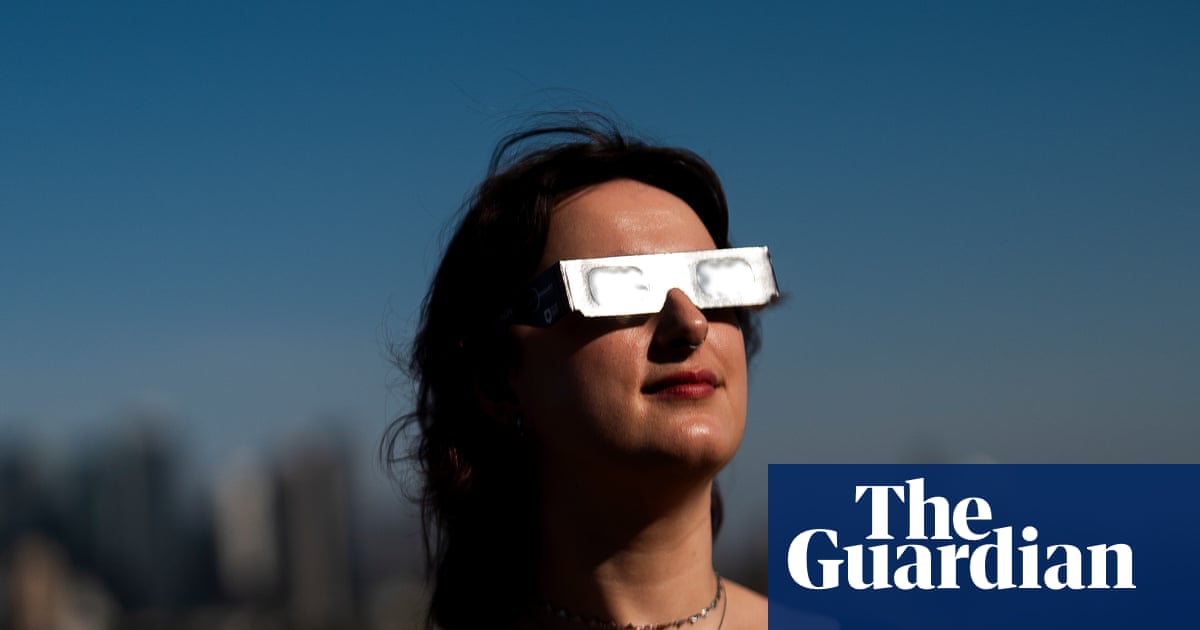
- Health officials emphasize the necessity of ISO-certified protective eyewear to prevent permanent retinal damage during the event.
For the first time this century, residents across the United Kingdom will have the opportunity to observe an almost total solar eclipse. The celestial event is scheduled for Wednesday in August, marking a rare astronomical occurrence that has not been visible from these islands since 1999. Spectators will need to wait until 2081 for another comparable viewing chance, making this upcoming alignment a significant moment for amateur and professional astronomers alike.
The degree of solar obscuration will vary depending on geographic location within the country. Observers in western regions are positioned to see the most dramatic effects, with Plymouth expected to experience 95% coverage. Cardiff and Belfast will follow closely with approximately 93% obstruction. In contrast, viewers in London and Manchester can expect slightly less coverage at roughly 91%, while those in northern areas like Shetland may see as little as 88% of the sun blocked by the moon.
Despite these numerical differences, experts suggest that the visual impact will remain substantial across all viewing zones. Astronomers note that even partial eclipses with high coverage percentages produce striking changes in ambient light and shadow. The event is expected to create a noticeable dimming effect, potentially triggering behavioral responses in local wildlife as animals may interpret the sudden darkness as nighttime.
Timing for the eclipse will shift across different time zones and longitudes within the UK. The phenomenon is set to begin around 6:08 pm in Edinburgh and Glasgow, progressing eastward and southward throughout the evening. Londoners can expect the start of the event at approximately 6:17 pm, with maximum coverage occurring roughly an hour later. The entire spectacle is projected to conclude by 8:00 pm local time.
Weather conditions present a variable factor that could significantly impact visibility. Meteorologists indicate that while August generally offers favorable skies, there is currently a higher probability of thick cloud cover and precipitation in Scotland and Northern Ireland. Conversely, southern and eastern parts of the UK are forecast to have clearer conditions. Experts recommend checking real-time cloud forecasts closer to the date and being prepared to travel to locations with unobstructed views.
Safety remains the paramount concern for anyone planning to view the eclipse. The sun’s apparent dimming during an eclipse can create a false sense of security, leading observers to look directly at the solar disk without protection. This behavior poses a severe risk of retinal damage, which often occurs without pain or immediate awareness. Previous events have resulted in numerous cases of vision impairment due to improper viewing practices.
Health authorities advise using only certified protective equipment that meets international safety standards. Specialized eclipse glasses must be free from scratches, tears, or other defects to ensure adequate filtration. Standard sunglasses are insufficient for this purpose and should never be used as a substitute. Alternatively, indirect viewing methods such as pinhole projections can provide a safe way to observe the event without risking eye injury.
Astronomers encourage viewers to conduct preliminary checks of their chosen locations in the days leading up to the eclipse. Ensuring a clear line of sight to the western horizon is essential for optimal viewing. High vantage points, such as hills or rooftops, may offer better perspectives by minimizing obstructions from buildings or terrain. The combination of proper preparation and safety measures will allow the public to safely experience this rare astronomical phenomenon.
The event offers a unique opportunity to appreciate the scale and mechanics of the solar system. As the moon passes between the Earth and the sun, it creates a temporary alignment that highlights the dynamic nature of our celestial neighborhood. Whether viewed from urban centers or rural landscapes, the eclipse serves as a reminder of the predictable yet awe-inspiring movements that govern our planet’s relationship with its star.
Sources behind this briefing
Go to the original reporting
- The Guardian World↗Where in the UK will get the best view of the solar eclipse?

