The short version
- Unit1 has raised $20 million to develop technology that blends digital avatars with live musicians in standard concert venues.
- The company plans to recreate historic performances by deceased artists and update appearances of living musicians who no longer tour.
- While the model offers a cheaper alternative to dedicated hologram theaters, it faces ethical scrutiny regarding the posthumous use of artist likenesses.
A British music technology company has secured significant capital to expand its platform for creating digital concert experiences. Unit1, founded by former entertainment executive Barney Wragg, announced a $20 million funding round led by Balderton Capital. The investment signals growing confidence in the commercial viability of virtual performances that do not require purpose-built infrastructure.
The startup’s primary objective is to make high-fidelity digital concerts more accessible and affordable than current market leaders. Existing models, such as the Abba Voyage arena in London, rely on massive, fixed installations that limit geographic reach and increase production costs. Unit1 intends to deploy its technology in standard venues, allowing shows to tour internationally or appear in multiple locations simultaneously without constructing dedicated spaces.
The technical approach involves a hybrid performance style. Real musicians will play instruments on stage alongside digital avatars projected onto high-definition LED screens. The company uses motion capture data, archival footage, and hired performers who resemble the original artists to create these digital figures. This method aims to blend physical presence with digital imagery, creating an immersive environment where the distinction between live and virtual elements is minimized for the audience.
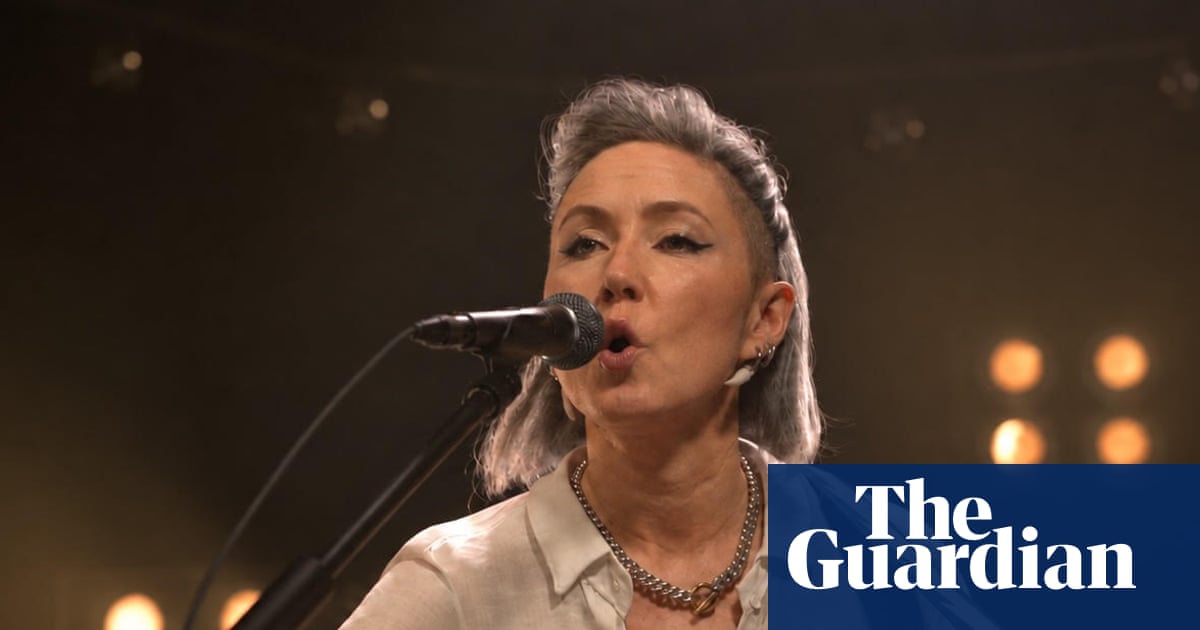
Unit1 has already tested this framework with Scottish musician KT Tunstall. In a pilot project, motion capture cameras recorded Tunstall recreating a performance from two decades prior. The technology updated her digital avatar’s features to reflect her current appearance while maintaining the essence of the original musical act. This trial demonstrated the system’s ability to merge historical recordings with contemporary visual data.
The funding will support research and development, as well as securing necessary intellectual property rights. Negotiations with artists, their estates, and rights holders are a critical component of the business model. The company must navigate complex legal landscapes to ensure that digital recreations are authorized and that revenue streams are properly distributed among all stakeholders involved in the original works.
Ethical considerations remain a significant challenge for the industry. The use of digital avatars for deceased musicians has sparked debate regarding consent and respect. Previous attempts to resurrect artists like Ozzy Osbourne through AI-driven avatars faced criticism from fans who viewed such efforts as disrespectful. Unit1 acknowledges these concerns, stating that it works closely with families to ensure that recreations are well-documented and culturally appropriate.
Wragg has expressed interest in recreating iconic moments in music history, including performances by Queen at Live Aid and Jimi Hendrix at Woodstock. However, the company remains cautious about specific announcements, prioritizing legal clearance and ethical alignment over rapid expansion. The focus is on delivering experiences that feel authentic to fans while respecting the legacy of the artists involved.
The investment group includes notable figures from the music and tech sectors. Balderton Capital, known for early investments in Spotify, joined forces with Mercuri and Paul McGuinness, the former manager of U2. This coalition suggests a strategic blend of technological innovation and deep industry knowledge, aiming to bridge the gap between traditional live entertainment and emerging digital formats.
As the technology matures, the definition of a live concert may continue to evolve. Unit1’s model offers a potential middle ground between static archival releases and expensive hologram spectacles. By integrating digital avatars into conventional touring structures, the company hopes to extend the commercial life of musical catalogs while providing new revenue opportunities for rights holders.
The success of this venture will depend on audience acceptance and the ability to maintain high production values at a lower cost. If Unit1 can deliver seamless experiences that honor artistic legacies without alienating fans, it could reshape how live music is consumed in the coming years. The industry watches closely to see if this hybrid approach becomes a standard or remains a niche novelty.
Sources behind this briefing
Go to the original reporting
- The Guardian World↗UK startup snares $20m to recreate gigs with ‘hyper-realistic’ digital avatars

