The short version
- UK Sport has ceased channeling funds through GB Snowsport despite a record investment in winter sports performance.
- Athletes and coaches will continue to receive direct financial support, ensuring stability following Team GB's historic medal haul.
- An independent review into the governing body's leadership structure is underway amid recent executive turnover.
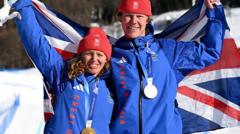
The United Kingdom’s primary sports funding agency has announced a significant structural change in how it supports winter athletes, effectively bypassing the national governing body for skiing and snowboarding. UK Sport will no longer route its financial investment through GB Snowsport, marking a decisive break from previous administrative arrangements. This shift occurs just six months after Team GB achieved its most successful Winter Olympics campaign to date at Milan-Cortina, where the team secured five medals, including an unprecedented three golds.
The decision does not alter the financial support available to individual competitors. UK Sport has confirmed that grants will continue to be paid directly to athletes and coaches who receive funding. This direct payment model ensures that the £12.5 million allocated for skiing and snowboarding disciplines remains accessible to those preparing for the 2030 Winter Olympics and Paralympics in the French Alps. The agency has written to all funded snowsport athletes to clarify that their financial backing is secure despite the administrative restructuring.
The move follows a period of instability within GB Snowsport’s leadership. The organization has changed its chair twice in the past three years and is currently advertising for a new permanent head. Michael Oesterlin, a non-executive director who has served with the organization for four years, holds the position of interim chair. UK Sport cited the need to drive change to give athletes the best chance of success as competition in Olympic and Paralympic winter sports intensifies globally.
Kate Baker, the director of performance and people at UK Sport, emphasized that the agency is willing to implement necessary changes to maximize impact. She noted that the recent results demonstrated the capability of British winter sport, with incredible performances across a wider range of disciplines than ever before. With another Winter Games on European soil approaching, the agency expressed excitement about the potential for future success given the talented pool of athletes currently in training.
GB Snowsport responded to the announcement with disappointment but stated it would continue to work with UK Sport. The governing body reserved the right to keep all options open to ensure that achievements from the past four years are not lost. It pointed to a recently concluded independent governance review, funded by UK Sport, which confirmed that its governance standards remain strong and appropriate. GB Snowsport expressed confidence that any new review would reach similar conclusions regarding its operational integrity.
Despite the dispute over governance, overall investment in British winter sports has reached record levels. The total funding for the four-year cycle exceeds £33 million, an increase from approximately £32.5 million during the previous cycle leading up to the 2026 Games. This financial commitment reflects a strategic push to maintain competitiveness in high-stakes international events. The increased budget supports a broad spectrum of winter disciplines beyond just skiing and snowboarding.
A significant portion of this investment, roughly £10 million or one-third of the total, is directed toward bobsleigh and skeleton programs. These sports contributed two of Team GB’s three gold medals at Milan-Cortina. Starting in 2030, funding for these programs will be operated by a new multi-sport delivery organization called Sport Org. This entity already oversees curling and wheelchair curling programs and is set to take over from the British Bobsleigh & Skeleton Association before the 2034 Utah Games.
Other disciplines also benefit from the expanded budget. Curling receives £6.54 million, while wheelchair curling is allocated £1.93 million. Ice skating programs are funded with £2 million. Ice hockey, which did not receive direct performance funding in this cycle, was granted £445,000 in transition funding. Tim Bratton, interim chief executive of Ice Hockey UK, indicated these funds would help the sport transition into a self-sustainable governing body structure.
The next phase involves an independent review into the governance of GB Snowsport. This process aims to address the leadership vacuums and administrative challenges that have plagued the organization in recent years. While athletes remain unaffected financially, the structural changes signal a broader trend within UK Sport toward direct oversight and specialized delivery organizations for elite performance programs. The outcome of the governance review will likely determine the future role of GB Snowsport in British winter sports administration.
Team GB’s success at Milan-Cortina marked the third time in four Winter Olympics that the team won five medals. However, previous campaigns had yielded a maximum of one gold medal on snow surfaces. The historic nature of this achievement underscores the high stakes involved in maintaining momentum. As the focus shifts to preparation for 2030, the relationship between funding bodies and governing organizations will remain a critical factor in sustaining competitive excellence.
Sources behind this briefing
Go to the original reporting
- BBC News↗GB Snowsport loses UK Sport funding but athletes unaffected

