The short version
- Matt Clifford resigns as chair of the Advanced Research and Invention Agency after accepting a position at Anthropic that raised conflict of interest alarms among lawmakers.
- Critics argue the move undermines public trust in government AI governance, citing a pattern of senior officials moving to private tech roles.
- The resignation occurs alongside renewed parliamentary efforts to restrict artificial superintelligence development, reflecting growing unease about unchecked AI advancement.
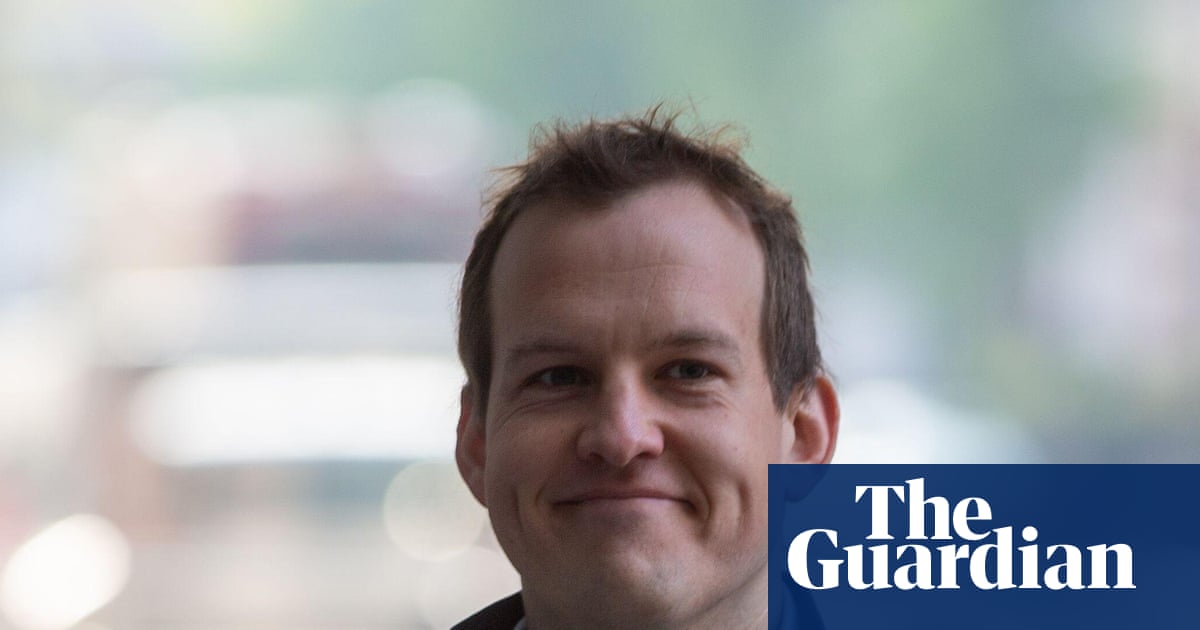
Matt Clifford has stepped down as the chair of the UK’s Advanced Research and Invention Agency (Aria) following intense scrutiny over a new full-time position at the artificial intelligence firm Anthropic. The resignation comes after senior members of Parliament raised alarms that his dual roles created an unacceptable conflict of interest, potentially compromising the integrity of public science funding. Clifford announced his decision to leave Aria, stating he wanted to prevent his private sector duties from becoming a distraction to the agency’s mission. He will remain in his post until November 6, during which time safeguards against conflicts are expected to be strictly enforced.
The controversy centers on Clifford’s appointment at Anthropic, the San Francisco-based company behind the Claude chatbot. In this new capacity, he is tasked with leading the firm’s engagement with governments outside the United States, including the UK. This arrangement directly overlaps with his responsibilities at Aria, a government-funded body established to support frontier science and technology projects. Although Anthropic initially stated that Clifford would recuse himself from any matters involving his former employer while at Aria, this compromise failed to satisfy critics who viewed the structural overlap as inherently problematic.
Chi Onwurah, the Labour chair of the Commons science, innovation and technology committee, formally expressed her concerns in a letter to AI Minister Kanishka Narayan. She characterized the situation as a clear conflict of interest, questioning how such an arrangement was permitted to develop. While Onwurah welcomed Clifford’s eventual departure, she emphasized that significant questions remain regarding the adequacy of prior conflict assessments and the robustness of governance safeguards at Aria. Her intervention underscores a broader legislative desire for transparency in how public institutions interact with powerful private technology entities.
The incident has reignited debate over the revolving door between British government officials and major AI companies. Clifford is not an isolated case; former Prime Minister Rishi Sunak has taken positions at both Anthropic and Microsoft, while former Chancellor George Osborne works for OpenAI. Additionally, Nick Clegg held a senior role at Meta until 2025. These transitions have drawn criticism from watchdogs who argue that moving sensitive policy knowledge to private firms shortly after leaving public service can weaken the government’s ability to advocate for precautionary regulatory approaches. Tom Brake of Unlock Democracy warned that such movements could erode the state’s leverage in shaping responsible AI development.
Beeban Kidron, a crossbench peer and vocal critic of current government AI strategy, praised Clifford’s resignation as a necessary step toward restoring public confidence. She argued that maintaining a clear separation between technological corporate interests and national citizen welfare is essential for rebuilding trust in governmental institutions. The scrutiny surrounding Clifford highlights the difficulty policymakers face in balancing innovation incentives with ethical oversight. As AI capabilities expand rapidly, the lines between public service and private profit become increasingly blurred, raising concerns about who ultimately controls the trajectory of these powerful technologies.
Clifford’s career has been deeply intertwined with the UK’s emerging tech ecosystem. A co-founder of the venture capital firm Entrepreneurs First, he became a central figure in British technology circles before joining Aria in 2022. He also served as an adviser to Rishi Sunak and played a key role in organizing the 2023 AI safety summit hosted by the UK. Furthermore, he contributed to the creation of the organization that evolved into the world-leading AI Security Institute. His background illustrates the close ties between private investment, government advisory roles, and international tech diplomacy, making his recent departure particularly symbolic of the sector’s internal tensions.
The timing of Clifford’s exit coincides with heightened warnings about the existential risks posed by advanced artificial intelligence. Geoffrey Hinton, a pioneering AI researcher, recently issued a statement supporting a private member’s bill introduced in the UK parliament aimed at prohibiting the creation of artificial superintelligence. Hinton cautioned that losing control over AI systems smarter than humans could lead to catastrophic outcomes, including human extinction. This legislative push reflects a growing segment of the scientific and political community that views unregulated acceleration as dangerous, contrasting with the more optimistic narratives often promoted by industry leaders.
Looking ahead, the focus shifts to how Aria will navigate its leadership transition and whether similar conflicts can be prevented in the future. The government faces pressure to implement stricter guidelines for officials engaging with private tech firms, ensuring that public resources are not inadvertently directed toward corporate interests. As the UK continues to position itself as a global hub for AI innovation, maintaining ethical standards and public trust will be critical. The resignation of Matt Clifford serves as a stark reminder of the challenges inherent in governing emerging technologies without compromising democratic accountability.
Ultimately, this episode underscores the complex dynamics shaping modern technology policy. The intersection of venture capital, government advisory roles, and international diplomacy creates fertile ground for conflicts that can undermine public confidence. While Clifford’s departure resolves the immediate controversy, it leaves open broader questions about how to structure relationships between state actors and private innovators. As AI continues to evolve at a rapid pace, policymakers must grapple with these structural issues to ensure that technological progress aligns with societal values and safety standards.
Sources behind this briefing
Go to the original reporting
- The Guardian World↗Architect of UK’s AI policy quits after Anthropic conflict of interest concerns

