The short version
- Confirmed cases have reached 474 with one fatality, linked primarily to imported eggs consumed in cafes and restaurants rather than at home.
- Experts highlight the difficulty of tracing supply chains in the food service sector compared to retail, predicting a prolonged investigation period.
- The surge reflects broader trends in egg imports, which have increased significantly since 2021, complicating efforts to isolate specific producers or countries.
Public health authorities in the United Kingdom are bracing for a continued increase in salmonella infections as investigations into a widespread outbreak remain inconclusive. The UK Health Security Agency has confirmed 474 cases linked to this specific cluster, including one death, marking a significant deviation from the typical sporadic nature of such foodborne illnesses. Experts emphasize that without identifying the precise source of contamination, the number of affected individuals is expected to rise further in the coming weeks.
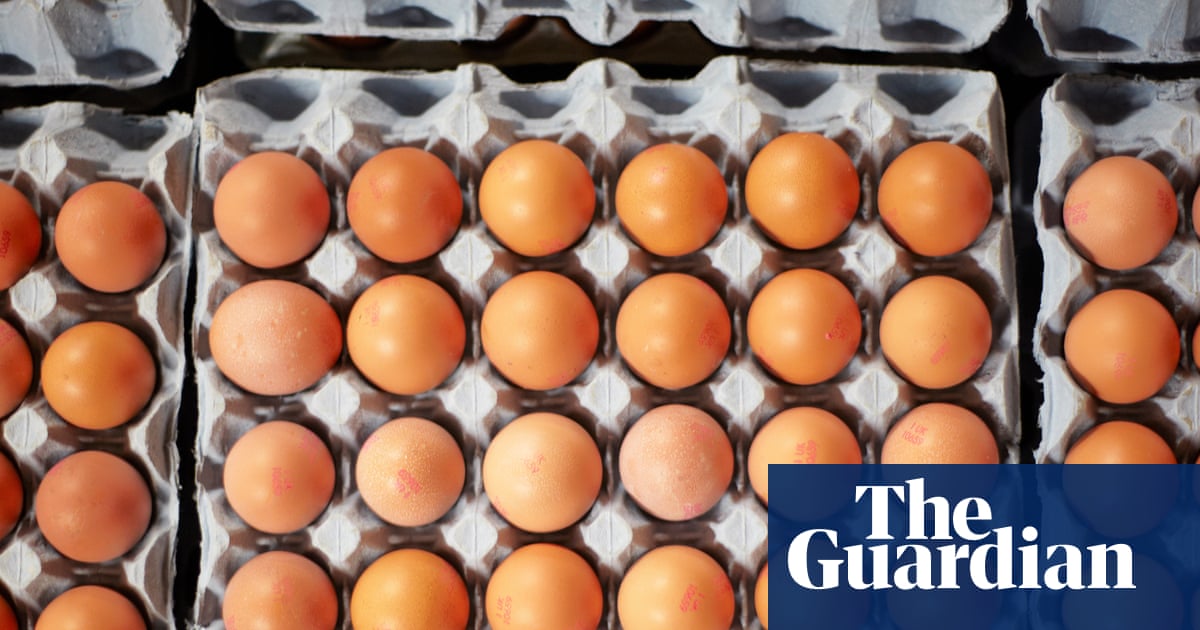
Current evidence points strongly toward imported eggs consumed outside the home as the vector for transmission. Unlike previous outbreaks where retail supply chains were easily traced, this incident involves eggs served in cafes, restaurants, and institutional settings such as schools and nursing homes. This distinction presents a unique challenge for investigators, as the food service industry often utilizes bulk purchases from mixed batches, obscuring the origin of individual products.
The scale of egg imports into the UK provides context for the difficulty of this investigation. According to industry data, approximately 1.6 billion eggs are imported annually, a figure that has surged by 60 percent since 2021. These imported products are frequently chosen for commercial use due to lower costs compared to domestically produced eggs carrying the Lion Mark quality assurance label. Consequently, contaminated batches can be distributed widely across various food service providers before detection.
Professor Paul Wigley of the University of Bristol notes that the clustering of cases suggests a single source rather than multiple independent incidents. However, because these eggs are often bought in bulk and may come from mixed batches, pinpointing the exact producer or country of origin is complex. He suggests that until specific controls can be implemented on a particular supplier or nation, the outbreak will likely persist.
The opacity of food service supply chains contrasts sharply with the transparency found in retail sectors. Professor Chris Elliott from Queen’s University Belfast explains that while retailers maintain detailed knowledge of their inventory origins, food service establishments often lack this level of traceability. This gap makes it fiendishly difficult to track ingredients back to their production sites, leading to delays in containment efforts.
Health officials are under immense pressure to provide answers, but experts caution against premature conclusions regarding the geographic origin of the contamination. Professor Elliott warns that agencies should not feel compelled to name a specific country, such as Poland or Romania, without absolute certainty. Previous outbreaks have been linked to European imports, but assuming similar origins for this incident could lead to incorrect interventions and fail to address the actual source.
The simultaneous occurrence of hundreds of cases is unusual for salmonella infections in the UK, which typically appear more dispersed throughout the year. Professor Mark Stevens from the University of Edinburgh describes this concentration as a significant challenge for health protection agencies. The goal is not only to identify the source but also to restrict its entry into the food system, a process that requires precise information currently unavailable.
For individuals concerned about their safety, experts recommend avoiding runny eggs when dining out unless they can confirm the establishment uses Lion Mark certified products. This precautionary measure offers some protection while investigations continue. However, systemic solutions depend on resolving the supply chain ambiguities that characterize the current food service landscape.
Professor Brad Spiller of Cardiff University identifies the common source nature of the outbreak as the most concerning aspect. He notes that previous simultaneous outbreaks were successfully traced back to Poland, but this incident lacks clear indicators. Until investigators can map the contamination back to specific countries and producers, the natural cessation of the outbreak is unlikely.
The timeline for resolution remains uncertain, with experts estimating that tracing the source could take weeks rather than days. During this period, public health agencies must balance transparency with the limitations of their investigative tools. The situation underscores the vulnerabilities in modern food supply chains, particularly as reliance on imported ingredients continues to grow.
Sources behind this briefing
Go to the original reporting
- The Guardian World↗Salmonella cases in UK likely to rise until source of outbreak is found

