The short version
- The UK government has rejected the resettlement application of a former Afghan police officer despite evidence of his service and threats received following a data breach.
- Officials argue that inclusion in the leaked dataset does not automatically qualify individuals for the special relocation scheme, requiring specific proof of partnership.
- The case underscores the ongoing vulnerability of Afghans who assisted British forces, as many remain in hiding with limited income and no guaranteed safety.
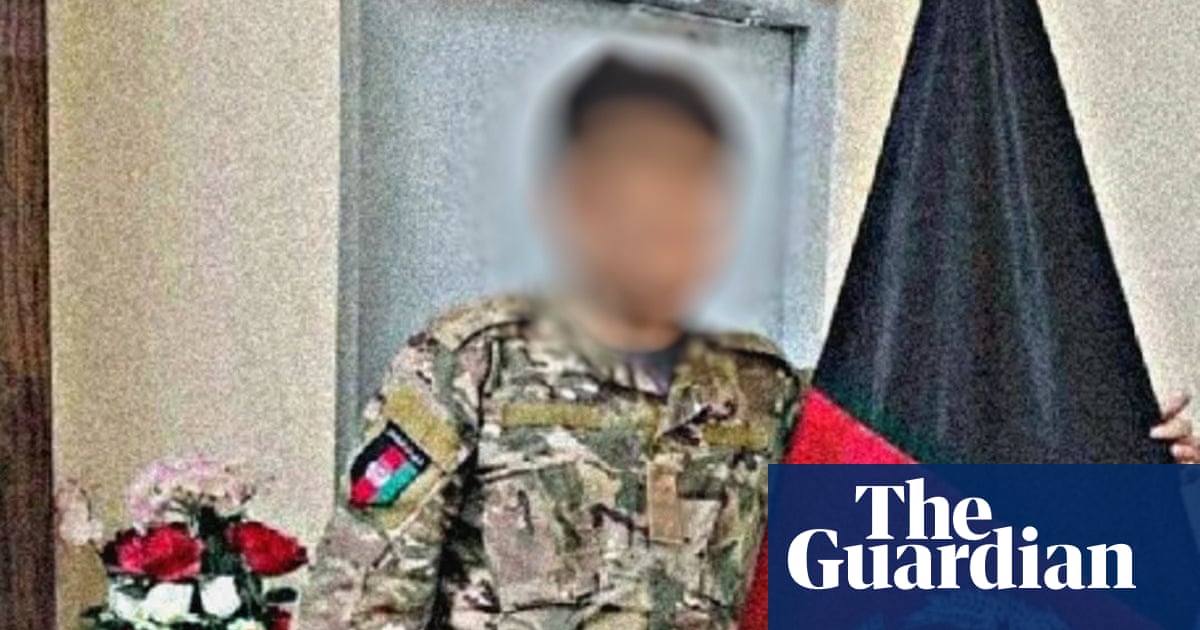
A former member of the Afghan national police special unit is facing renewed threats from the Taliban after his identity was exposed in a significant data breach involving the UK Ministry of Defence. The individual, referred to here as Hamid to protect his family, had worked closely with British forces and received formal commendations for his leadership and dedication. However, despite these credentials and the immediate danger he now faces, the UK government has refused his application for resettlement under the Afghan Relocations and Assistance Policy (Arap).
The catalyst for the current crisis was an accidental leak in 2022 by an MoD official, which published the personal details of approximately 18,700 Afghans who had worked with or for the British government. Hamid’s information was among those released, stripping him of the anonymity he relied on for survival. He reported receiving direct threats from Taliban operatives, including a video message in which an armed man identified under a Taliban flag vowed to pursue him, citing specific knowledge of his past movements and locations.
Following the breach, Hamid’s daily life has become untenable. He stated that he can no longer leave his home safely to seek work, fearing recognition or targeted violence. The family now survives on meager income generated by his wife through small jobs performed from home. The psychological toll has been severe, with both spouses reporting exhaustion, depression, and a pervasive sense of hopelessness after years of living in fear and facing repeated bureaucratic rejections.
The UK’s refusal to grant him resettlement status stems from a strict interpretation of eligibility criteria. In a rejection letter dated July 31, the MoD stated that Hamid had failed to provide adequate evidence of working alongside, in partnership with, or closely supporting a UK government department. The agency granted him a 28-day window to appeal this decision. This stance persists despite Hamid’s submission of certificates signed by senior British figures praising his service, and despite the fact that many of his former colleagues from the same unit have already been relocated to the UK through the same scheme.
Government officials have defended the rigorous assessment process. John Healey, then defence secretary, noted that the leaked dataset included individuals who had made speculative applications without having actually worked with British forces. He emphasized that mere inclusion in the leak does not confer a right to asylum or automatic eligibility for the special Arap scheme, which is reserved for those who served alongside UK forces. The MoD maintains that each application is evaluated on its merits against publicly available criteria.
The Arap scheme was launched in April 2021, shortly after the Taliban retook power in Afghanistan following the withdrawal of US and NATO forces. It was closed to new applications last July, though pre-existing cases continue to be processed. A key aspect of the policy is that high risks of death or serious injury are only considered if other eligibility criteria are first met. In Hamid’s case, because the partnership criteria were not deemed satisfied, the imminent threat to his life has not triggered an exception.
Hamid argues that the current situation raises serious questions about how the UK treats former partners who risked their lives for British interests. He contends that he has provided all available documentation proving his service and questions why he must wait until he is captured or killed before his contributions are recognized. His case highlights a disconnect between the perceived loyalty of Afghan allies and the bureaucratic hurdles they face when seeking safety.
While the UK government notes that nearly 39,000 Afghans have been resettled since the takeover, individual cases like Hamid’s reveal the fragility of protection for those whose identities are compromised. The intersection of data security failures and strict immigration policy has left some former allies in a precarious limbo, unable to work safely in Afghanistan and denied refuge abroad. As appeals deadlines loom, the outcome of his case may set a precedent for how similar claims are adjudicated.
The broader implications extend beyond one individual’s fate. The incident underscores the long-term liabilities of military partnerships in conflict zones, where local collaborators often bear the brunt of retaliation after foreign forces depart. Without robust mechanisms to verify and protect these individuals quickly, the UK risks failing those who enabled its operations, leaving them vulnerable to retribution while navigating a complex and unforgiving asylum system.
Sources behind this briefing
Go to the original reporting
- The Guardian US↗Taliban threaten former Afghan police worker after MoD leak reveals identity

