The short version
- British diplomats in six cities, including Buenos Aires and Santiago, will no longer receive hardship bonuses due to revised risk assessments by the Foreign Office.
- Conservative politicians have criticized the continued payment of allowances for postings to popular tourist destinations such as Bali and Rio de Janeiro, calling it unfair to taxpayers.
- Government officials defend the compensation scheme as a necessary duty of care measure that has remained consistent across successive administrations for decades.
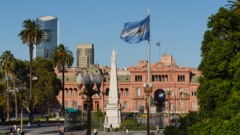
The United Kingdom government has officially removed six cities from its list of locations where British diplomats are eligible for hardship payments, marking a shift in how the Foreign Office assesses risk and quality of life for overseas staff. Among the cities stripped of this status are Buenos Aires and Santiago in South America, as well as Panama City, Pyongyang, Bamako, and Sarajevo. This adjustment means that civil servants posted to these locations will no longer receive the additional financial compensation or mandatory respite breaks previously granted to those working in environments deemed dangerous or physically challenging.
The hardship allowance system has been a fixture of British diplomatic service for thirty years, designed to compensate employees and their families for the specific burdens of living in difficult overseas postings. These allowances are not merely salary supplements but are intended to offset costs and challenges related to security risks, extreme climate conditions, natural disaster potential, isolation, and other factors that degrade quality of life. The payments also cover scenarios where staff require additional breaks to protect their physical or mental health, reflecting a broader duty of care obligation held by the government toward its international workforce.
While the removal of allowances from cities like Buenos Aires and Santiago signals a reassessment of risk in those regions, the updated list still includes 144 locations that qualify for extra pay. This remaining roster encompasses widely recognized trouble spots but also features popular holiday destinations such as Bali in Indonesia and Rio de Janeiro in Brazil. The inclusion of these leisure-friendly locales has drawn sharp criticism from political opponents, particularly within the Conservative Party, who argue that the current framework is out of touch with public sentiment regarding taxpayer spending.
Kevin Hollinrake, chairman of the Conservative Party, voiced strong objections to the continued payment of bonuses for postings to places like Bali, Cape Town, and the Maldives. He characterized these allowances as unfair burdens on taxpayers, especially at a time when businesses and families are facing higher taxes to fund government policies. Hollinrake suggested that such expenditures resemble taxpayer-funded vacations rather than necessary compensations for hardship, pledging to reduce the size of the civil service if his party returns to power. His comments highlight a growing political tension over how public funds are allocated within the diplomatic sector.
In response to parliamentary inquiries, Foreign Office minister Lord Wood of Anfield defended the existing structure, emphasizing that these arrangements are not new and have been applied consistently under various governments for decades. He explained that hardship assessments are comprehensive, taking into account a wide range of factors that impact staff well-being. The minister noted that the allowances serve a critical function in ensuring that diplomats can perform their duties effectively without compromising their health or safety, regardless of whether the location is traditionally viewed as dangerous or merely challenging due to environmental or logistical factors.
The financial implications of these allowances vary significantly depending on the posting. While exact current figures are not routinely published, historical data from 2009 provides some context for the scale of these payments. At that time, the highest allowances were awarded for postings to Karachi, Pakistan, and Abuja, Nigeria, with combined packages for civil servants and their spouses reaching tens of thousands of pounds. In contrast, the hardship payment for a couple posted to Buenos Aires was recorded at £1,517, while Santiago’s allowance stood at £777. These figures illustrate the disparity in compensation levels across different regions and the nuanced approach taken by the Foreign Office in calculating risk.
Despite the removal of allowances from six cities, many other locations remain on the list, including Bangkok, Cape Town, Kuala Lumpur, Dubai, Abu Dhabi, and Muscat. The retention of these cities suggests that the Foreign Office continues to view certain aspects of life in these places as sufficiently challenging to warrant additional support. This decision underscores the complexity of defining hardship in a globalized world, where risks can stem from security threats, health hazards like air pollution, or simply the strain of living far from home in unfamiliar environments.
The debate over diplomatic allowances reflects broader questions about accountability and value for money in public spending. As the UK government navigates economic pressures, scrutiny of civil service compensation is likely to intensify. The Foreign Office maintains that its duty of care requires it to support staff in all postings, just as private sector employers would compensate employees for working in difficult conditions. However, the political fallout from this latest adjustment indicates that public perception of what constitutes a hardship posting may differ significantly from official assessments, setting the stage for ongoing controversy.
Looking ahead, the revised list will likely influence recruitment and retention strategies within the diplomatic service. Staff posted to cities that have lost their hardship status may face reduced financial incentives, potentially affecting morale and willingness to accept assignments in those locations. Conversely, diplomats in remaining high-allowance cities may continue to benefit from enhanced support packages. The government’s stance remains firm on the necessity of these measures, but the political pressure to reform or eliminate them entirely shows no signs of abating, particularly as opposition parties seek to capitalize on public dissatisfaction with perceived excesses in public spending.
Ultimately, the decision to remove hardship allowances from Buenos Aires and five other cities is a modest adjustment within a larger, long-standing framework. It highlights the delicate balance the Foreign Office must strike between protecting its employees’ well-being and managing taxpayer expectations. While the government argues that these payments are essential for maintaining a robust diplomatic presence worldwide, critics contend that the criteria for eligibility need to be reevaluated to ensure they align with contemporary standards of fairness and fiscal responsibility. The outcome of this debate will have lasting implications for how the UK conducts its foreign relations and supports its international workforce.
Sources behind this briefing
Go to the original reporting
- BBC News↗UK diplomats no longer get hardship bonus for being posted to Buenos Aires

