The short version
- The UK Environment Agency is evaluating potential criminal charges against Huntsman Polyurethanes for permit breaches related to benzene emissions at its Teesside facility.
- Benzene output from the site increased from 13 tonnes in 2022 to 17 tonnes in 2024 following the decommissioning of an abatement process, though the company maintains compliance with legal limits.
- Experts criticize the regulator's delayed response and dispute internal assessments that claim no significant risk to nearby schools or communities.
The United Kingdom’s Environment Agency is considering criminal prosecution against a major plastic chemical manufacturer over alleged breaches of environmental permits linked to toxic air emissions. The regulatory body has identified potential violations at the Huntsman Polyurethanes facility in Teesside, North Yorkshire, where releases of benzene—a known human carcinogen—have risen sharply in recent years. This development marks a significant escalation in oversight of industrial pollution, as authorities weigh whether the company’s operational changes have endangered public health and violated statutory obligations.
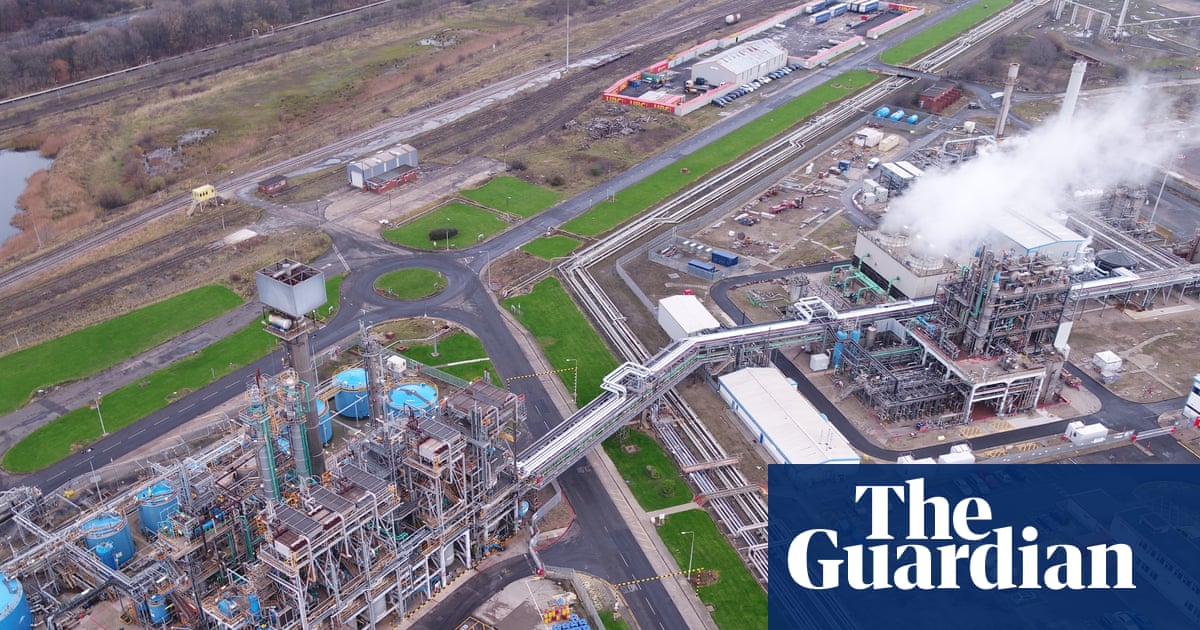
Huntsman Polyurethanes operates within the Teesside chemical cluster, a hub for petrochemical production that supports the broader plastics industry. The facility is part of Huntsman Corporation, a global entity that reported revenues of $6 billion in 2025. In 2023, the company decommissioned an existing process designed to reduce benzene emissions and replaced it with an alternative system managed by a third party. Internal documents reviewed by regulators indicate that this new abatement method experienced periodic failures, allowing benzene to be released directly into the atmosphere without adequate filtration.
Data from the Environment Agency reveals a clear upward trend in pollution levels during this transition period. Benzene emissions from the site climbed from 13 tonnes in 2022 to 17 tonnes in 2024. Despite being aware of these issues as early as 2023, regulators did not launch a formal investigation until later this year. An inspection report from March highlighted multiple permit breaches, noting that deficiencies in the management system could lead to aggregated emissions with significant impacts on human health and the environment if left unresolved.
The chemical at the center of the dispute poses serious health risks. Benzene is used in the production of certain plastics but is also classified as carcinogenic by the World Health Organization, which states there is no safe level of exposure. Long-term contact with benzene is linked to leukemia and other blood disorders. The Environment Agency’s own inspection documents acknowledge that the continued release of this substance presents a foreseeable risk, prompting the agency to consult with the UK Health Security Agency and the Health and Safety Executive to assess potential occupational and public health consequences.
Conflicting assessments have emerged regarding the severity of the environmental impact. In March 2026, regulators instructed Huntsman to conduct modeling studies to evaluate how the emissions affected local air quality standards. The initial results suggested significant breaches in several scenarios, with one projection indicating benzene levels could exceed the legally binding 24-hour limit by more than nine times. However, an internal review by the Environment Agency concluded that while the impacts were not insignificant, predicted concentrations remained below relevant environmental thresholds. A spokesperson for the agency stated that experts did not believe the emissions posed a significant risk to nearby institutions such as schools.
Huntsman has firmly rejected allegations of wrongdoing. A company spokesperson asserted that all benzene emissions were fully compliant with permit conditions and therefore not illegal. The firm pointed to its own air monitoring data, which it claims shows concentrations beyond the site boundary remain within acceptable limits. This defense highlights a tension between corporate compliance metrics and regulatory interpretations of environmental safety, as the company argues it has met legal requirements despite the documented increase in total tonnage released.
Critics argue that the regulator’s response has been inadequate and overly cautious. David Santillo, a senior scientist at Greenpeace Research Laboratories, described the agency’s slow action as a travesty, arguing that its role should be to prevent such emissions rather than merely documenting them. He emphasized that the current approach fails to protect communities from known hazards. Similarly, Ally Lewis, a professor of atmospheric chemistry at the University of York, criticized the reliance on arbitrary threshold values, suggesting that the agency is allowing a degradation in air quality that contributes to cancer risk without sufficient intervention.
Independent experts are calling for more rigorous monitoring and immediate action. Roel Vermeulen, a professor of environmental epidemiology at Utrecht University, stated that the modeling reports flag a plausible problem that warrants serious attention. He recommended that measurements of benzene levels in residential areas begin immediately, running in parallel with efforts to reduce emissions at the source. As the Environment Agency continues its legal review, the case underscores broader challenges in managing industrial pollution and balancing economic activity with public health protections in communities situated near chemical manufacturing hubs.
The outcome of this investigation could set a precedent for how environmental permits are enforced in the UK. While the agency acknowledges that Huntsman failed to act proactively, it also admitted that earlier follow-up might have supported more timely implementation of corrective measures. Recent interventions have reportedly led to improved performance of the abatement system on site. Nevertheless, the dispute remains unresolved, with campaigners and scientists urging a stricter interpretation of safety standards to ensure that toxic emissions do not compromise the health of workers and local residents.
Sources behind this briefing
Go to the original reporting
- The Guardian World↗UK plastic manufacturer could face legal action over toxic emissions

