The short version
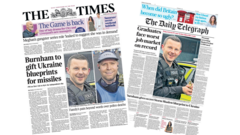
- Prime Minister Andy Burnham will authorize the declassification of UK-made components for Storm Shadow missiles to help Ukraine produce its own long-range weapons.
- Domestic challenges include a record-low job market for university graduates and urgent warnings from law enforcement regarding child sexual exploitation online.
- The Royal Family presents a united public image ahead of the Duke and Duchess of Sussex's return, while debates over tuition fees and assisted dying legislation continue.
Prime Minister Andy Burnham is set to make a consequential announcement regarding international defense cooperation, signaling a shift in how the United Kingdom supports Ukraine’s military capabilities. Reports indicate that Burnham will travel to Kyiv to mark Independence Day, where he is expected to confirm that European defense manufacturer MBDA will be permitted to declassify technical information related to UK-made components of Storm Shadow missiles. This move aims to enable Ukrainian forces to manufacture their own long-range weaponry, a development that could take years to materially impact the conflict but represents a significant strategic escalation.
The decision to share these blueprints carries substantial diplomatic weight. While some analysts suggest this gesture may encourage other Western allies to follow suit and deepen their own support for Kyiv, others warn of potential repercussions. The Guardian notes that such an action could heighten tensions with Moscow during an already strained period in UK-Russian relations. The Times highlights that Scalp missiles, which are similar in design, are intended for striking high-value targets such as hardened bunkers and critical infrastructure, underscoring the strategic nature of the aid being facilitated.
Domestically, Burnham faces immediate economic headwinds that contrast sharply with his foreign policy ambitions. The Telegraph reports that university graduates are encountering the most difficult job market on record, with vacancies falling by 45 percent compared to the same period last year. This downturn coincides with a record number of teenagers preparing to enter higher education next month, presenting what has been described as a steep challenge for the new administration. The disparity between rising educational attainment and shrinking employment opportunities raises questions about the long-term economic stability of the workforce.
Compounding these economic concerns are ongoing negotiations regarding international student fees. The i Paper reports that Burnham may be willing to reduce tuition costs for European students studying in the UK, potentially as part of a broader trade agreement involving youth mobility visas for individuals under thirty. However, this proposal faces resistance from university leaders who have warned that lowering fees could severely damage their financial stability. Brussels has long advocated for reduced rates, but the domestic higher education sector remains cautious about any changes that might undermine institutional funding.
Beyond economic and diplomatic issues, public safety concerns are dominating headlines across multiple sectors. The National Crime Agency has issued stark warnings about the dangers facing children online, with agency head Graeme Biggar stating that the internet is not safe for young users. Reports vary on the exact volume of incidents, with some outlets citing an average of 400 cases of suspected child sexual exploitation flagged daily, while others suggest figures could reach up to 900 per day. These discrepancies highlight the urgency and scale of the problem as law enforcement agencies struggle to keep pace with digital threats.
In a separate but equally pressing social issue, families of drowning victims are calling for government action following a series of fatalities over the summer. The Daily Mirror reports that at least 56 people have drowned in the UK this year, prompting an open letter to the Prime Minister urging him to meet with affected families and implement measures to prevent further loss of life. This campaign, titled Save Lives for Sam, reflects growing public anxiety about water safety and demands a coordinated response from policymakers.
Meanwhile, the political landscape is also being shaped by personal health advocacy and royal dynamics. The Daily Express highlights a request from Phil Newby, a terminally ill father diagnosed with motor neurone disease twelve years ago, who has asked Burnham for a meeting to discuss assisted dying legislation before he loses the ability to participate in the debate. Simultaneously, the Royal Family is presenting a unified front ahead of the Duke and Duchess of Sussex’s return to the UK later this month. The Sun features images of Catherine, Princess of Wales, smiling at church, framing the moment as a collective effort to maintain cohesion within the institution.
Amid these domestic developments, international financial markets are watching closely for signals from US Federal Reserve Chair Kevin Warsh. The Financial Times notes that Warsh is expected to deliver a speech at the Jackson Hole symposium aimed at calming investor nerves amid mounting signs of economic strain. As one of Donald Trump’s key economic appointees, his remarks could serve as a critical indicator of future monetary policy directions, adding another layer of complexity to the global economic environment in which Burnham must operate.
Sources behind this briefing
Go to the original reporting
- BBC News↗The Papers: 'Pain beyond words' and 'Graduates face worst job market'

