The short version
- Prime Minister Andy Burnham has expressed willingness to issue a formal state apology for Britain’s role in the transatlantic slave trade, marking a significant shift in official rhetoric.
- The government firmly rejects demands for financial reparations, arguing that current citizens cannot be held liable for historical injustices committed under different legal frameworks.
- Caribbean leaders welcome the opening of dialogue but criticize the exclusion of monetary compensation, viewing an apology alone as insufficient without tangible economic redress.
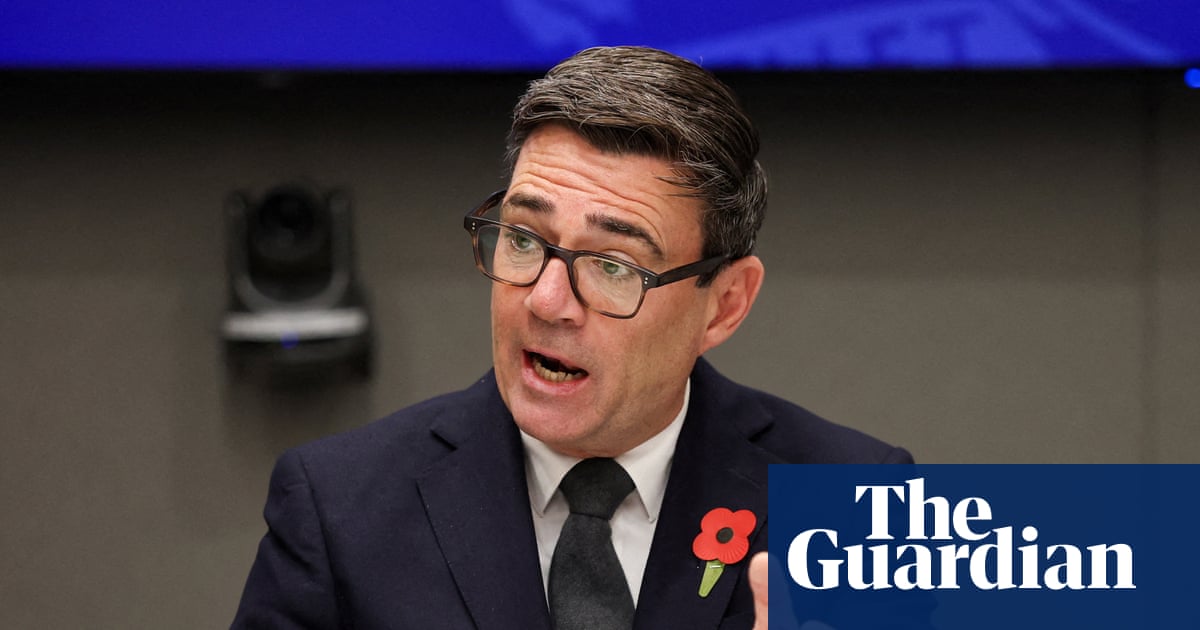
British Prime Minister Andy Burnham has signaled a willingness to issue a formal state apology for the United Kingdom’s involvement in the transatlantic slave trade, representing the most significant move toward such acknowledgment by any previous head of government. This development emerges as the UK prepares for an upcoming Commonwealth leaders’ summit in the Caribbean, where historical grievances and contemporary economic disparities are expected to dominate discussions. Burnham’s stance introduces a nuanced approach that separates moral recognition from financial liability, aiming to address historical wrongs without committing to monetary compensation.
In a published article outlining his position, Burnham described the slave trade as a brutal violation of human dignity, noting that millions were treated as property and separated from their families. He expressed personal sorrow and regret for the enduring pain caused by these events, acknowledging that the legacy of slavery continues to shape global inequalities today. While he stopped short of issuing an immediate official apology, he indicated openness to formal talks with affected nations and campaign groups, suggesting that a structured dialogue would determine the final form of any state-level statement.
Despite this rhetorical shift, Burnham maintained the longstanding government position against financial reparations. He argued that contemporary British citizens should not be held financially liable for historical crimes committed under different laws and in which they played no personal role. This distinction between moral accountability and economic responsibility remains a central point of contention. The prime minister emphasized that while Britain led the world in abolishing slavery, it must now demonstrate leadership through alternative means of addressing the lingering effects of that history.
As an alternative to direct reparations, Burnham announced plans to launch a new initiative aimed at restructuring the debt of the poorest Commonwealth countries. Led by former Prime Minister Gordon Brown and potentially involving international bodies like the International Monetary Fund, this effort seeks to extend repayment periods and improve interest rates for vulnerable nations. Burnham highlighted that debt servicing costs for these countries have reached their highest levels in over twenty-five years, with more than forty percent spending more on interest repayments than on healthcare. This economic intervention is framed as a practical step toward alleviating the financial burdens that disproportionately affect former colonies.
The response from Caribbean leaders and reparations advocates has been cautious and divided. Some figures have welcomed Burnham’s willingness to engage in dialogue as a positive step toward justice. Dorbrene O’Marde, chair of the Antigua and Barbuda reparations support commission, described the statement as a movement in the correct direction for humanity and reparatory justice. However, he explicitly rejected the decision to keep financial reparations off the table, indicating that moral gestures alone do not satisfy the demands for comprehensive redress.
Other prominent voices have been more critical of the limitations placed on the conversation. Ralph Gonsalves, a former prime minister of St Vincent and the Grenadines and a key figure in the Repair campaign, noted that while an apology is the first point in their ten-point reparations plan, it is insufficient on its own. He questioned the value of a dialogue that excludes financial compensation, suggesting that without this component, the conversation lacks substantive content. This perspective reflects a broader sentiment among some Caribbean nations that symbolic gestures must be accompanied by material support to be meaningful.
Sir Hilary Beckles, chair of the Caricom reparations commission, offered a more conciliatory view, suggesting that Burnham’s position likely reflects the broad middle of British public opinion. He argued that financial reparations need not be an immediate stumbling block, emphasizing that broader issues can occupy the dialogue. Beckles highlighted the importance of collaboration and decency in building a new Anglo-Caribbean bond, noting that while words are important, the spirit of cooperation is paramount. This view suggests that progress may still be possible even if full financial reparations are not immediately agreed upon.
The upcoming summit will serve as a critical test for these diplomatic efforts. With King Charles also expected to attend, the pressure for a formal apology from the monarchy remains high, with Commonwealth Secretary General Shirley Ayorkor Botchwey recently stating that such an apology would not hurt and that the time for serious conversation has arrived. The interplay between historical acknowledgment and contemporary economic policy will define the tone of the meeting. Burnham’s approach attempts to balance domestic political constraints with international diplomatic obligations, setting the stage for complex negotiations.
The debate over reparations extends beyond the UK, involving other European nations such as France and Spain, which face similar pressures from African and Caribbean states. The demand for monetary compensation, health support, education funding, and debt cancellation represents a multifaceted approach to historical justice. Burnham’s rejection of financial liability while offering debt relief illustrates the difficulty of translating moral recognition into actionable policy. As the summit approaches, the focus will remain on whether dialogue can bridge the gap between symbolic apology and substantive economic change.
Ultimately, the outcome of these discussions will influence future relations between Britain and its former colonies. The decision to engage in structured dialogue while excluding financial reparations sets a precedent for how historical injustices are addressed in modern diplomacy. Whether this approach is viewed as a pragmatic compromise or an inadequate response will depend on the progress made during the summit. The coming weeks will reveal if the proposed debt restructuring and potential apology can foster the collaborative spirit necessary for healing historical wounds.
Sources behind this briefing
Go to the original reporting
- The Guardian US↗Andy Burnham open to calls for formal apology for Britain’s role in slave trade