The short version
- Prime Minister Andy Burnham met with President Volodymyr Zelensky and coalition partners to pledge continued military and economic pressure on Russia.
- The UK is sharing technical blueprints for British missile components, enabling domestic production in Ukraine despite Russian warnings of retaliatory strikes.
- Leaders agreed to prioritize air defense support and sanctions against Russia’s shadow fleet as winter approaches and Ukrainian energy infrastructure faces renewed attacks.
Prime Minister Andy Burnham has signaled that the United Kingdom will maintain its steadfast backing for Ukraine, rejecting what he termed outrageous threats from Moscow during his inaugural official visit to Kyiv. The trip marks a significant moment in the ongoing conflict, as Burnham seeks to reinforce diplomatic and military ties with Ukrainian President Volodymyr Zelensky. His presence underscores the British government’s commitment to sustaining pressure on Russia, even as the Kremlin has escalated its rhetoric regarding Western involvement in the war.
During a joint session with French President Emmanuel Macron and German Chancellor Friedrich Merz, the leaders issued a unified condemnation of Russia’s systematic attacks on Ukrainian cities and critical infrastructure. The coalition emphasized the urgent need to constrain Russia’s financial resources through enhanced sanctions targeting the military-industrial complex and the shadow fleet used to evade restrictions. They also highlighted the immediate necessity of supporting Ukraine’s energy sector ahead of the winter months, recognizing the vulnerability of civilian populations to ongoing strikes.
A central focus of the discussions was the enhancement of Ukraine’s air defense capabilities. The leaders agreed to increase military support, including sharing relevant technologies through an anti-ballistic missile coalition. This move aims to strengthen Kyiv’s ability to protect its airspace against ballistic missiles and drones. The decision reflects a broader strategy to not only supply weapons but also to integrate Ukrainian defense efforts with allied technological resources, ensuring a more robust and coordinated response to Russian aggression.
In a notable development, the UK government is set to provide blueprints for British-made components of the Scalp missile, a French variant of the Storm Shadow cruise missile. This transfer allows Ukraine to produce these weapons domestically, reducing reliance on external supply chains. The missiles are designed for precision strikes against stationary targets and can reach distances of approximately 150 miles into Russian territory. While this capability does not match the range of some deep-strike drones, it represents a significant step in international willingness to share advanced weapon technology.
Russian officials have reacted sharply to these developments. Kremlin spokesman Dmitry Peskov criticized the sharing of missile blueprints, arguing that such actions prevent any progress toward peace. He claimed that Russian forces are already gathering intelligence to locate and destroy potential production sites within Ukraine. Peskov accused Britain of methodically adding fuel to the fire, framing the UK’s involvement as a direct escalation. However, Burnham countered these assertions by questioning who initiated the conflict, emphasizing that Russia’s actions remain the primary driver of instability.
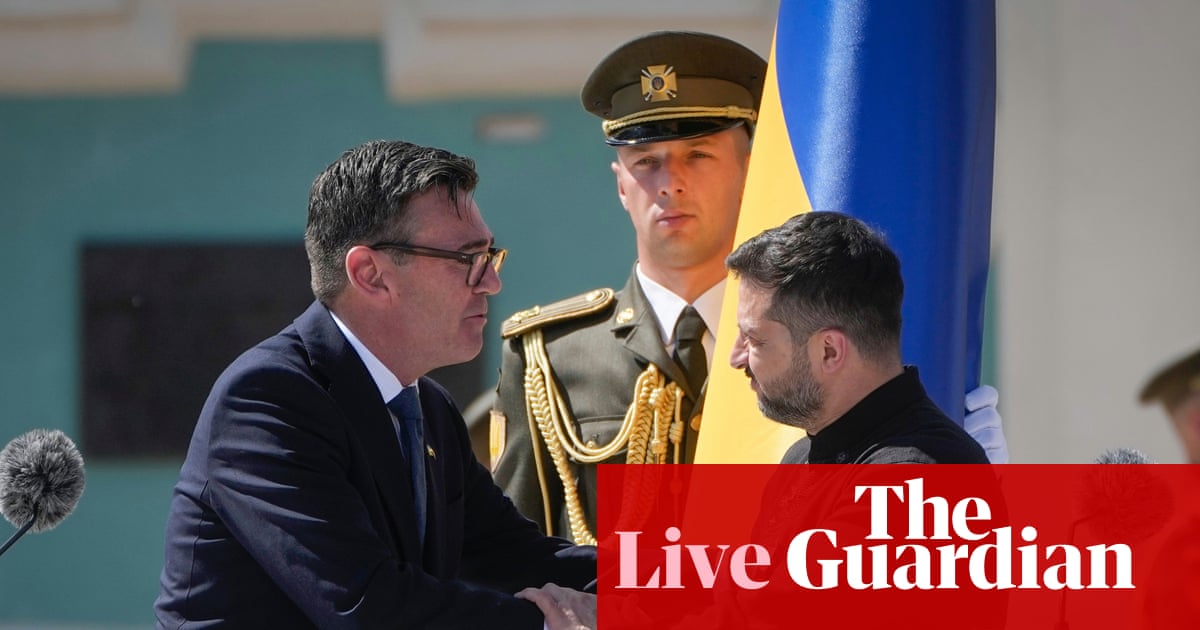
The visit also included ceremonial gestures to honor Ukrainian resilience and sacrifice. Burnham laid flowers at the National Military Memorial Cemetery, paying respects to fallen soldiers. He accepted an award from Zelensky on behalf of the British people, recognizing the UK’s sustained support during Ukraine’s 35th anniversary of independence. These moments served to personalize the diplomatic engagement, reinforcing the human dimension of the alliance and the shared values underpinning the partnership between the two nations.
Beyond immediate military aid, Burnham urged allies to dig into their own stocks of air defense systems to bolster Ukraine’s protective capabilities. He called on the US Congress to intensify economic pressure on Russia, suggesting that coordinated global action is essential to squeeze Moscow’s ability to fund the war. The prime minister described Ukraine not as a drain on European security but as a frontline protector of the continent, highlighting the strategic importance of Kyiv’s defense for broader regional stability.
Looking ahead, the coalition plans to continue ratcheting up sanctions and exploring additional options for supplying Patriot interceptor missiles, which are currently in short supply due to competing demands elsewhere. Zelensky has requested hundreds more of these interceptors to combat Russian ballistic missile attacks. The upcoming meetings will likely focus on logistical challenges and long-term strategies to ensure Ukraine can withstand sustained pressure while pursuing a just and lasting peace.
The escalation in Russian strikes, including recent attacks on civilian infrastructure such as shopping centers, has heightened the urgency of these diplomatic efforts. With stockpiles of defensive weapons running low and winter approaching, the coalition’s ability to deliver timely assistance will be critical. Burnham’s visit serves as a reaffirmation that Western support remains unwavering, despite Moscow’s attempts to deter further involvement through threats and propaganda.
As the conflict enters another phase, the coordination between the UK, France, Germany, and Ukraine will be tested by both military realities and political pressures. The sharing of technology and the expansion of sanctions mark a shift toward deeper integration of defense industries and economic statecraft. Whether these measures can effectively constrain Russia’s war machine remains uncertain, but the commitment from Western leaders suggests a prolonged engagement rather than a quick resolution.
Sources behind this briefing
Go to the original reporting
- The Guardian US↗Burnham says UK with Ukraine ‘all the way’ despite ‘outrageous threats’ from Russia – Europe live
- BBC News↗Burnham vows support for Ukraine despite 'outrageous threats' from Russia

