The short version
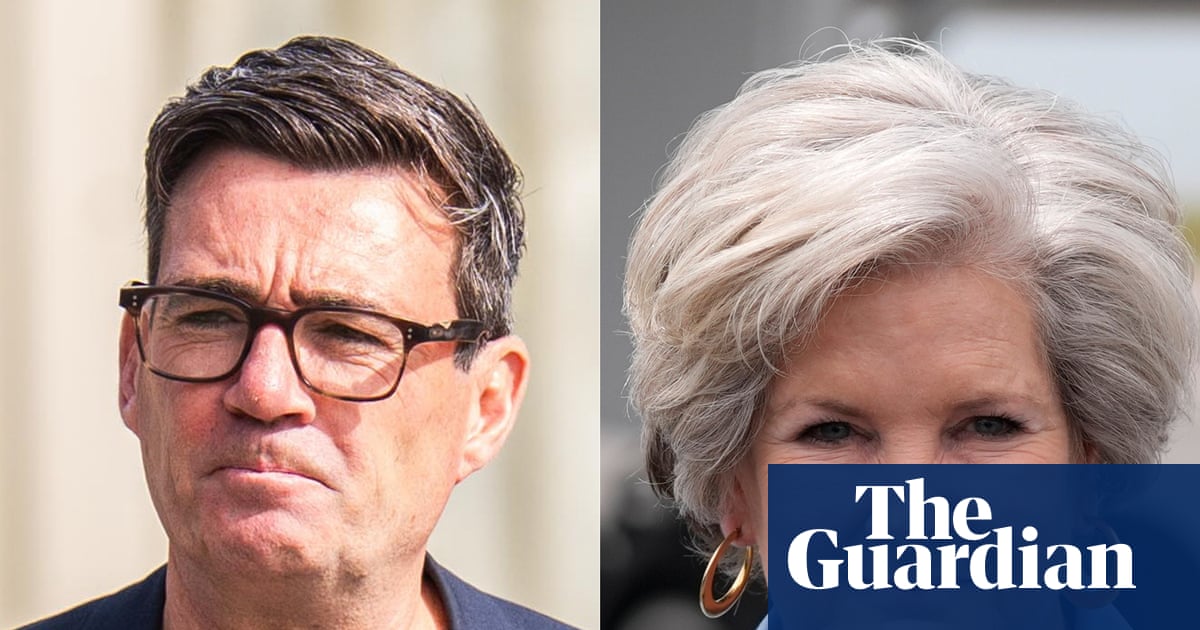
- Prime Minister Andy Burnham exchanged a limited number of messages with an individual falsely claiming to be White House Chief of Staff Susie Wiles.
- The British Embassy in Washington raised concerns with the White House after the suspicious contact was identified, though no significant information was compromised.
- This event occurs against a backdrop of ongoing security issues within the Trump administration, including previous impersonation attempts targeting Wiles and leaks of classified military data.
Prime Minister Andy Burnham recently engaged in a brief digital exchange with an individual who falsely claimed to be Susie Wiles, the chief of staff to US President Donald Trump. The incident, which was first reported by Politico, involved text messages rather than voice calls or video conferences. According to sources familiar with the matter, the communication occurred before Burnham’s office became suspicious of the contact’s legitimacy. Once doubts arose regarding the identity of the sender, the situation was promptly escalated to relevant authorities.
Official statements from Downing Street have been notably sparse, adhering to standard protocol for such matters. A government spokesperson declined to provide specific details, stating that they do not comment on national security issues. This silence is consistent with previous handling of sensitive diplomatic communications. However, it is understood that no messages of substantive importance were transmitted during the exchange. The limited nature of the interaction suggests that the impersonator did not succeed in extracting valuable intelligence or influencing policy decisions.
The British Embassy in Washington played a key role in addressing the breach. Upon recognizing the potential security risk, embassy officials raised the matter directly with the White House. This step underscores the seriousness with which UK diplomatic missions treat unauthorized contacts involving senior government figures. The swift reporting mechanism indicates that protocols for identifying and neutralizing such threats are functioning as intended, despite the initial lapse in verification.
This incident is not an isolated occurrence but part of a broader pattern of security vulnerabilities affecting high-ranking officials in both the United States and the United Kingdom. Last year, the FBI launched an investigation into efforts to access Susie Wiles’s personal phone. At that time, an unknown person or persons pretending to be Wiles contacted prominent Republicans, business leaders, and other top US officials using her contacts file. The impersonation targeted her personal device rather than a government-issued phone, highlighting the risks associated with private communication channels used by public figures.
The security landscape within the Trump administration has faced scrutiny for various breaches. In December 2025, a US Department of Defense report concluded that Defense Secretary Pete Hegseth had endangered service personnel by discussing details of a military operation in a group chat. The chat included senior officials such as Vice President JD Vance and CIA Director John Ratcliffe, but also inadvertently included a journalist from The Atlantic. National Security Adviser Mike Waltz had added the journalist to the group after saving his number under a different name, leading to the disclosure of secret information.
Further concerns have been raised about the accessibility of President Trump’s personal contact information. Reports suggest that his phone number has become common knowledge among journalists covering US politics. Additionally, there are unverified claims that his contact details were offered for sale to individuals seeking influence, including CEOs and cryptocurrency investors. These allegations point to a systemic issue regarding the protection of presidential communications and the potential for exploitation by bad actors.
The UK government has also dealt with similar impersonation attempts in recent years. In 2024, then-Foreign Secretary David Cameron fell victim to a hoax video call from someone pretending to be former Ukrainian President Petro Poroshenko. Cameron exchanged text messages with the impersonator, who used his past dealings with the Ukrainian leader to establish credibility. The Foreign Office publicly disclosed the incident to prevent the information from being manipulated by malicious parties.
Looking ahead, this incident serves as a reminder of the evolving threats facing diplomatic communications. As digital tools become more prevalent in government operations, the risk of impersonation and data breaches increases. Both the UK and US governments must continue to strengthen their verification processes and educate officials on identifying suspicious contacts. The quick response by Burnham’s team and the British Embassy suggests that lessons from past incidents are being applied, but vigilance remains essential.
The broader implications of these security lapses extend beyond individual cases. They raise questions about the overall resilience of government communication systems against sophisticated cyber threats. With geopolitical tensions rising and adversaries actively seeking to exploit vulnerabilities, ensuring the integrity of diplomatic channels is paramount. The incident involving Burnham and Wiles underscores the need for continuous improvement in security measures to protect national interests.
As investigations continue, it remains unclear when exactly the messages were sent or what specific topics were discussed between Burnham and the impersonator. However, the lack of significant content exchanged provides some reassurance that no major diplomatic fallout has occurred. The focus now shifts to preventing future occurrences and reinforcing the safeguards that protect senior officials from similar deceptions.
Sources behind this briefing
Go to the original reporting
- The Guardian US Politics↗Burnham exchanged messages with individual impersonating Trump chief of staff
- BBC News↗Burnham exchanged messages with person posing as Trump's chief of staff