The short version
- The police watchdog is investigating former West Midlands Chief Constable Craig Guildford for potential gross misconduct related to the banning of Maccabi Tel Aviv fans from a November 2025 Europa League match.
- An intelligence briefing used to justify the ban contained multiple errors, including fabricated data attributed to artificial intelligence tools and exaggerated claims about supporter behavior.
- Four additional individuals, including serving officers and staff members, face scrutiny for alleged failures in verifying information and maintaining impartiality during the event planning process.
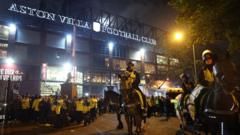
The Independent Office for Police Conduct has formally notified Craig Guildford, the former chief constable of West Midlands Police, that he is under investigation for gross misconduct. The probe centers on his role in the decision to bar supporters of Israeli club Maccabi Tel Aviv from attending a Europa League fixture against Aston Villa at Villa Park in November 2025. This development marks a significant escalation in the scrutiny of police conduct surrounding the controversial ban, which sparked widespread debate across the United Kingdom and internationally.
The investigation was initiated in January following concerns about the accuracy of an intelligence briefing document presented to Birmingham’s Safety Advisory Group. This group, which includes representatives from local government and law enforcement, relied on the report to determine whether the match could proceed safely with away fans present. The watchdog alleges that Guildford may have failed to exercise adequate oversight over the document, which contained misleading information that contributed to the exclusion of Maccabi supporters.
Central to the allegations is a series of eight distinct errors identified within the intelligence report. These inaccuracies included overstating the involvement of Maccabi fans in disorder during a previous event in Amsterdam in 2024. Perhaps most notably, the report referenced a non-existent match between Maccabi Tel Aviv and West Ham United. Investigators determined that this fabricated detail appeared to have been generated by Microsoft Copilot, an artificial intelligence tool, raising serious questions about the verification processes used by police staff.
Beyond the former chief constable, four other individuals are facing scrutiny. A senior serving officer who played a lead role in compiling the briefing is alleged to have failed to ensure its accuracy and impartiality. The watchdog suggests this officer may not have accurately represented certain information, resulting in a document that lacked balance. Additionally, there are concerns that sensitive intelligence was not handled appropriately before being shared with members of the safety advisory group.
A staff member involved in researching and compiling intelligence for the game is also under investigation. Allegations indicate that this individual sourced inaccurate information through AI searches but took no subsequent steps to verify or remove the false data from the final briefings. Two other senior serving officers, who held important roles in planning the operation, have been notified of investigations into their conduct. One is alleged to have lacked diligence in balancing operational needs with community engagement, while the other faces scrutiny for similar failures regarding the briefing document.
The decision to ban the fans was made despite significant political pressure. Both Downing Street and the home secretary expressed a loss of confidence in Guildford’s leadership following the incident. Guildford retired from the force in January without offering an apology, attributing his departure to what he described as a political and media frenzy. The government had previously stated it would use all available power to overturn the ban, highlighting the high stakes involved in the policing strategy.
The Independent Office for Police Conduct has examined more than 600 pieces of evidence during its preliminary review. This material includes operational documents, intelligence research, meeting minutes, and extensive correspondence such as emails and messages. Derrick Campbell, the watchdog’s director of engagement, stated that the investigation aims to assess whether any individuals breached standards of police professional behavior. He emphasized that serving notices does not guarantee disciplinary proceedings will follow.
Jen Mattinson, the temporary deputy chief constable of West Midlands Police, confirmed that she had made a voluntary referral to the watchdog regarding the incident. The probe involves more than 700 officers who policed the match at Villa Park. As the investigation progresses, the watchdog will determine whether there is sufficient evidence for individuals to face misconduct meetings or hearings. The outcome could have broader implications for how police forces utilize artificial intelligence tools and verify intelligence in future high-profile events.
The case underscores growing concerns about the reliability of automated information sources in critical decision-making processes. While the use of AI tools like Microsoft Copilot is becoming more common, this incident highlights the risks when such technology is employed without rigorous human oversight. The findings from this investigation may influence future protocols for intelligence gathering and verification within UK law enforcement agencies.
As the inquiry continues, attention remains on whether systemic failures contributed to the flawed briefing. The allegations suggest a breakdown in due diligence at multiple levels of command and staff operations. The resolution of this case will provide clarity on accountability mechanisms within police leadership and the extent to which individual officers are responsible for errors in collective decision-making processes.
Sources behind this briefing
Go to the original reporting
- BBC News↗Ex-chief constable investigated over ban on Israeli Maccabi Tel Aviv fans

