The short version
- More than sixty-five works of art are currently listed as missing from the UK parliamentary collection following a recent freedom of information inquiry.
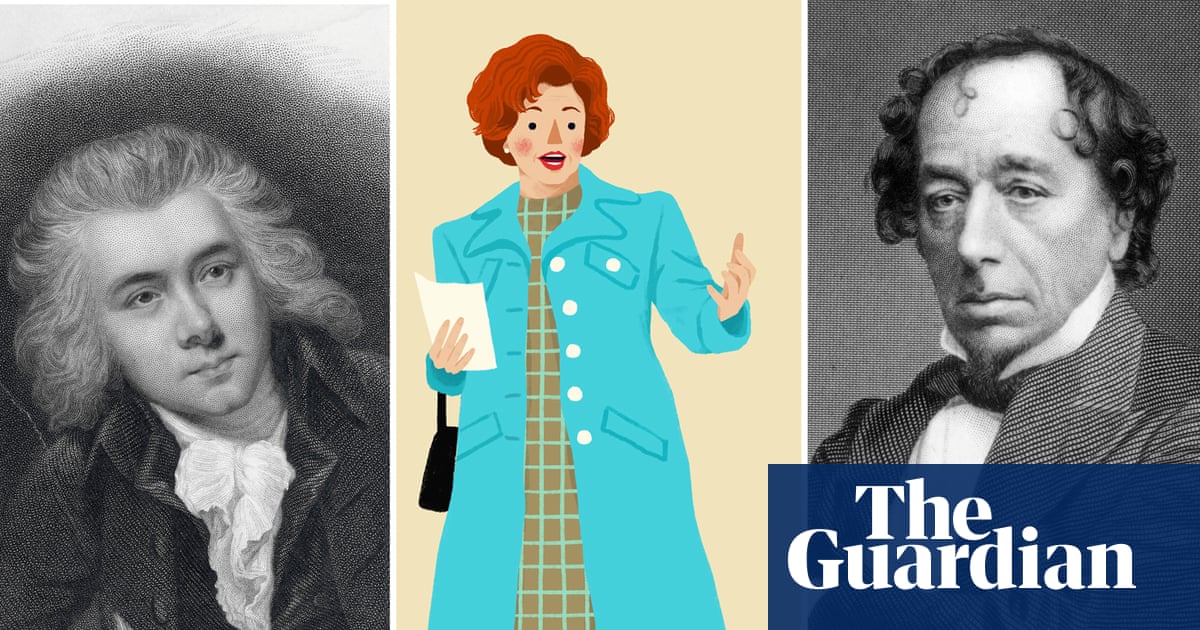
- Notable absent items include a Victorian photograph of Benjamin Disraeli, an engraving of William Wilberforce, and satirical cartoons involving Barbara Castle and John Major.
- Parliamentary authorities maintain that the collection is active and frequently relocated, stating that none of the missing items have been written off as financial losses.
A recent freedom of information request has brought to light a significant inventory gap within the United Kingdom’s parliamentary art collection. The Press Association obtained a list identifying more than sixty-five works that have gone missing since 2024. This disclosure highlights ongoing challenges in tracking publicly owned cultural assets housed within the legislative complex, raising questions about the stewardship of historical artifacts that document British political history.
Among the items reported as misplaced is a photograph of Benjamin Disraeli, Queen Victoria’s favored prime minister. The image was captured by John Jabez Edwin Mayall, a prolific Victorian photographer known for documenting prominent figures of the era, including Charles Dickens and Karl Marx. Art UK, which catalogs Britain’s publicly owned art, lists over two hundred works by Mayall in various collections. The specific photograph in question likely depicts Disraeli in his sixties, characterized by a tired appearance with heavy-lidded eyes, similar to versions held in the Royal Collection.
The list of missing items also includes an engraved portrait of William Wilberforce, the celebrated campaigner against the slave trade. This print was created by William Holl and his brother Francis. Its absence from the parliamentary inventory is notable given Wilberforce’s central role in British moral and political history. The loss of such items underscores the fragility of historical records when they are part of a working collection rather than a static museum display.
Satirical cartoons have also disappeared from the archives. One missing piece is a cartoon by Martin Rowson depicting Barbara Castle, a former foreign secretary and the first woman to lead the Labour Party. The artwork portrays Castle in the guise of Florence Nightingale. Another Rowson cartoon, created during the 1995 Conservative leadership battle following John Major’s resignation, shows Major attempting to lance a literal boil while Michael Heseltine and Michael Portillo look on. These works represent significant moments in modern British political satire.
Rowson has commented on the nature of such losses, noting that cartoons are often treated differently than traditional fine art. He suggested that the original artwork is less critical than its published impression, which serves as its ticket to posterity. Rowson compared the originals to copper plates used by earlier satirists like Hogarth or Gillray, arguing that cartoonists belong more properly to journalism than to the art world. He noted that while the current losses are unfortunate, they pale in comparison to a previous incident where his work was destroyed in a NATO airstrike during a touring exhibition in Serbia.
Parliamentary officials have responded to the revelations by emphasizing the dynamic nature of their collection. A spokesperson stated that the art collection is a working one, meaning objects are moved frequently between recorded locations. This mobility can lead to temporary discrepancies in inventory records. The authorities insisted that none of the currently missing works have been permanently written off or considered a financial loss. They argued that there is little evidence of permanent disappearance from the Parliamentary Art Collection.
The current number of missing items is significantly lower than figures reported in a similar freedom of information request in 2018. At that time, two hundred twenty-four works were listed as missing, including portraits of William Pitt the Younger and a wartime oil painting by William John MacLeod depicting the aftermath of bombing raids on parliament. The reduction suggests some progress in inventory management, although the persistence of over sixty-five missing items indicates that gaps remain.
Officials noted that five of the works previously recorded as missing have been located this year. This recovery effort is part of ongoing audits aimed at reducing the number of unaccounted items. The Parliamentary Art Collection is one of four heritage collections managed by parliament, which together contain approximately twenty-six thousand objects, including furniture and decorative arts. The continued movement of these items necessitates rigorous tracking to ensure their preservation and accessibility for public and historical purposes.
The incident serves as a reminder of the complexities involved in maintaining large, active archival collections. While the items are not considered lost forever, their temporary absence from verified locations creates uncertainty regarding their immediate availability for study or display. The parliamentary authorities continue to work on reconciling their records, aiming to close the gaps identified by recent inquiries and ensure that historical artifacts remain secure within the public trust.
Sources behind this briefing
Go to the original reporting
- The Guardian World↗Photo of Disraeli among missing parliamentary works of art, FoI request finds

