The short version
- Culture Secretary Lisa Nandy demands Gianni Infantino's resignation over commercial plans but opposes boycotting the U20 tournament.
- European football authorities have threatened to withdraw from Fifa events, yet several national federations plan to compete as scheduled.
- Polish organizers report no official withdrawals and remain focused on hosting the September competition for young athletes.
A significant rift within international football governance has reached a critical juncture as European authorities threaten to withdraw from competitions organized by Fifa. The dispute centers on proposals by Fifa President Gianni Infantino to sell stakes in the World Cup and other major tournaments to private investors through the Fifa Forward Enterprise initiative. This commercial strategy has drawn sharp criticism from European football bodies, who argue that such moves undermine the sport's integrity and disconnect it from its fan base.
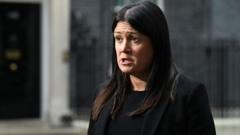
Amidst this escalating tension, UK Culture Secretary Lisa Nandy has articulated a nuanced position that separates political accountability from athletic participation. While she explicitly called for Infantino to step down, stating that his time in leadership is over, she firmly rejected the idea of boycotting the upcoming Under-20 Women's World Cup. Nandy argued that sporting boycotts generally divide communities and unfairly punish athletes who are not responsible for administrative decisions made by governing bodies.
The immediate focus of this controversy is the U20 Women's World Cup, scheduled to take place in Poland from September 5 to 27. Several European nations, including England, Italy, Spain, Portugal, and France, have teams participating in the tournament. The potential withdrawal of these squads would significantly alter the competitive landscape of the event and raise questions about the stability of international football calendars.
Despite the broader threats issued by Uefa and its 55 member associations, on-the-ground preparations for the tournament appear to be proceeding with a degree of normalcy. The Polish Football Association stated that it has not received any formal notifications regarding team withdrawals from European participants. Organizers expressed confidence that the situation would be resolved quickly, allowing young players from around the world to compete without disruption.
National federations have provided mixed signals regarding their commitment to the event. The French Football Federation confirmed its intention to compete at the U20 World Cup. Similarly, the Portuguese Football Federation indicated that its Under-20 team is adhering to its planned schedule, which includes a friendly match against England later in the week. These actions suggest that while political pressure mounts, operational continuity remains a priority for some national bodies.
The status of the English squad remains somewhat ambiguous. The Football Association has not officially confirmed whether it will field a team for the World Cup. However, current indications show that coach Lydia Bedford's Young Lionesses are continuing their preparations for the tournament. This lack of definitive confirmation highlights the uncertainty surrounding the final participation list as the event approaches.
Nandy emphasized the importance of protecting the growth of women's football during this period of institutional turmoil. She noted that the women's game is gaining momentum globally, with teams like England's Lionesses leading the way in international performance. Penalizing young female athletes through a boycott would contradict the progress made in recent years and send a negative message about the value placed on their development.
The Polish organizers reiterated their commitment to providing optimal conditions for all participating teams. They viewed the tournament as a crucial milestone for many young players' careers and stressed their focus on delivering an event worthy of the athletes' talent and dedication. This perspective underscores the human element of the dispute, where administrative conflicts risk overshadowing the sporting achievements of the competitors.
Looking ahead, the resolution of this conflict will likely depend on whether Fifa modifies its commercial proposals or if European bodies enforce their threatened boycotts. The outcome could have lasting implications for the relationship between regional confederations and the global governing body. For now, the tournament in Poland stands as a test case for how football's leadership balances financial ambitions with the interests of players and fans.
As the September dates approach, all parties are watching closely to see if diplomatic solutions can be found before the teams take the field. The stakes extend beyond a single youth tournament, touching on fundamental questions about who controls the future direction of the sport. Whether through resignation, negotiation, or continued competition, the coming weeks will reveal whether football's institutions can reconcile their differences without sacrificing the game itself.
Sources behind this briefing
Go to the original reporting
- BBC Sport↗Women's football shouldn't be penalised by Uefa boycott - Nandy
