The short version
- UK meat suppliers experienced unauthorized temperature increases in refrigeration units, though no food spoilage was reported.
- Security experts link the attacks to Russian-associated infrastructure and note the exploitation of long-standing software vulnerabilities.
- Government officials describe these incidents as early indicators of a broader threat landscape involving unpatched industrial systems.
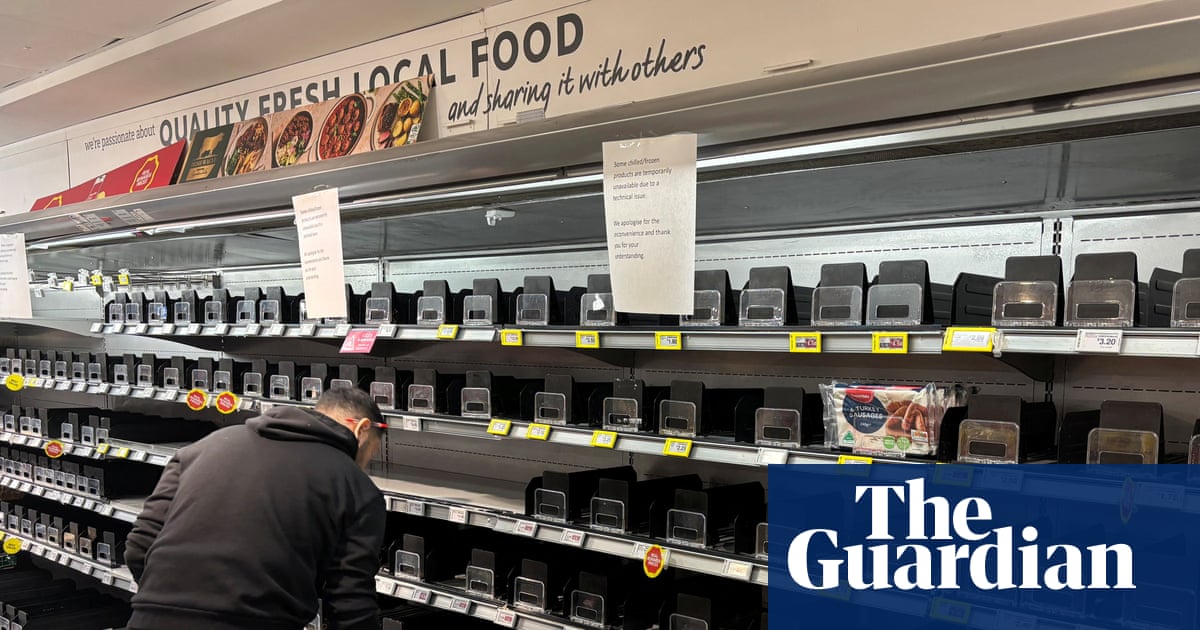
Cybersecurity intrusions have disrupted refrigeration systems at several meat processing facilities in the United Kingdom, following a wave of similar attacks that affected supermarket freezers across multiple European nations. The incidents involve unauthorized remote access to temperature controls, causing units to heat up significantly. While major grocery chains in Britain have not reported direct impacts, smaller suppliers and wholesalers have confirmed they were targeted. The National Cyber Security Centre (NCSC) stated that the national impact remains minimal, but officials are actively collaborating with affected businesses to secure their networks.
In mainland Europe, retailers in Belgium, Estonia, Ireland, Finland, Luxembourg, the Netherlands, and Sweden reported severe malfunctions in their cooling systems earlier this week. Some freezers reached temperatures as high as 50 degrees Celsius (122 degrees Fahrenheit). Similar disruptions occurred in France during the previous month, where investigations revealed that legacy technology connected to the internet with default passwords was exploited. These events highlight a growing vulnerability in industrial control systems that rely on outdated security protocols.
Within the UK, the British Association of Independent Meat Suppliers confirmed that some of its members were affected by the intrusions. One supplier reported that cold storage units rose to 100 degrees Celsius (212 degrees Fahrenheit), while others experienced defrosting issues. Crucially, the association noted that the targeted units were empty at the time of the attacks, preventing any loss of perishable goods. A London-based fruit and vegetable wholesaler also reported being affected but confirmed no stock was compromised.
Paul Chichester, director of operations at the NCSC, emphasized that the agency is monitoring the situation closely. He noted that the attacks did not utilize artificial intelligence but instead exploited known vulnerabilities that have existed for extended periods. The NCSC is working with organizations to identify and close these technological loopholes before they can be further exploited. Chichester declined to speculate on the specific actors behind the attacks, focusing instead on the technical aspects of the breaches.
Richard Horne, chief executive of the NCSC, described these incidents as the 'foothills' of a larger cyberthreat landscape. He warned that as AI systems become more prevalent, they may highlight flaws in IT networks that owners are unaware of or have neglected to patch. Horne stressed that numerous vulnerabilities remain unaddressed, creating opportunities for malicious actors. The agency views these attacks as part of an evolving pattern where industrial infrastructure is increasingly targeted.
Cybersecurity researchers have identified similarities between the attacks on dummy fridge controls in Europe and operations previously linked to Russian entities. Xavier Bellekens, CEO of Lupovis, reported 256 attempted attacks from 91 different sources over a three-week period. These attempts targeted honeypot systems designed to mimic real Danfoss fridge controllers. The attackers used factory-default credentials and bulletproof hosting services, which are known for tolerating malicious activity and resisting disruption by authorities.
The use of bulletproof hosting complicates efforts to trace the origins of the attacks. Bellekens noted that the infrastructure used in these probing activities overlaps with networks associated with Russian-linked malicious operations in the past. While the specific group responsible has not been pinpointed, the number of actors fitting this profile is relatively small. The reliance on default usernames and passwords suggests a lack of basic security hygiene among some manufacturers and operators.
Ollie Whitehouse, chief technology officer at the NCSC, highlighted the susceptibility of everyday domestic devices connected to the internet. He argued that manufacturers must be encouraged to produce safer technology, even if it means consumers pay more for enhanced security features. The incidents serve as a stark reminder to the food industry that supply chain vulnerabilities can be exploited regardless of the sector's traditional focus on physical rather than digital risks.
The broader implications of these attacks extend beyond immediate operational disruptions. They underscore the need for comprehensive updates to legacy systems and stricter enforcement of cybersecurity standards in industrial settings. As AI-driven tools become more sophisticated, the ability to detect and exploit unpatched vulnerabilities will likely increase. Governments and industries must collaborate to address these systemic weaknesses before they lead to more significant consequences.
Looking ahead, the NCSC plans to continue monitoring the situation and supporting affected organizations. The agency's annual review will likely include recommendations for improving resilience against such threats. For businesses, the message is clear: proactive measures to secure IT networks are essential. Ignoring known vulnerabilities can have serious repercussions, as demonstrated by the recent attacks on refrigeration systems across Europe.
Sources behind this briefing
Go to the original reporting
- The Guardian World↗Freezers of UK meat suppliers heat up after cyber-attacks in Europe