The short version
- The UK government has decided to keep its diplomatic facility in East Jerusalem open as a distinct mission, rejecting an Israeli order for closure.
- Israel demanded the shutdown in retaliation for British sanctions on goods produced in West Bank settlements, which London views as illegal under international law.
- While staff withdrawals have occurred, Britain plans to rebuild its presence and has ruled out reciprocal diplomatic expulsions during ongoing negotiations.
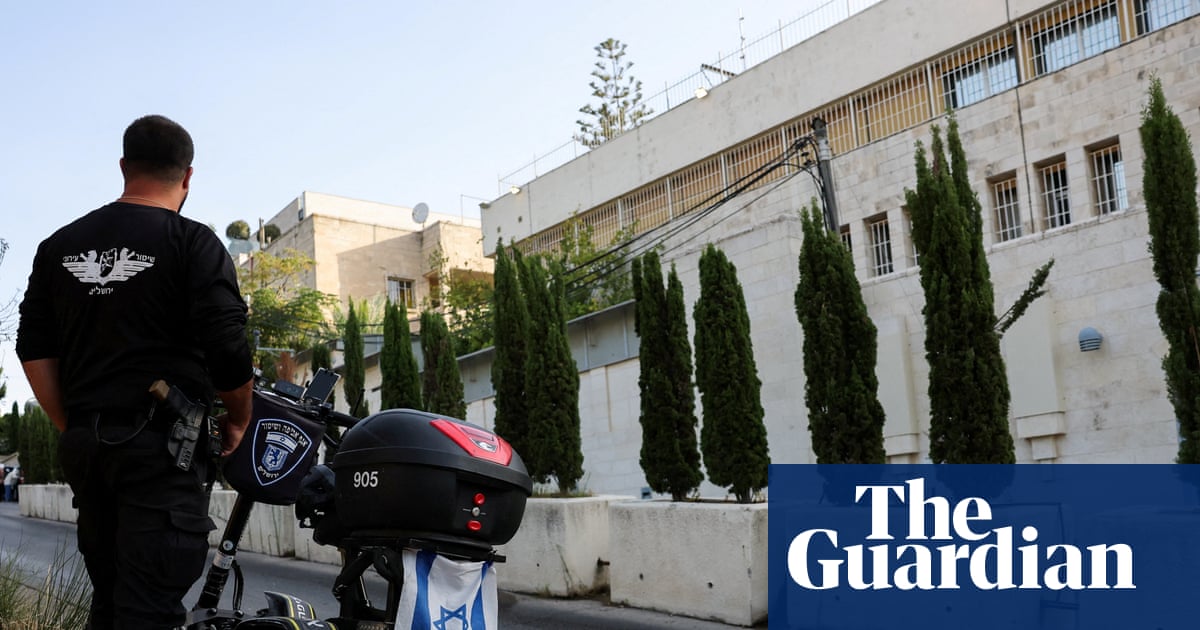
The United Kingdom has confirmed that its diplomatic facility in East Jerusalem will remain open and operational, defying an order from Israeli authorities to close the building. Foreign Secretary Ed Miliband announced that the site, formerly known as the consulate general, will continue to function as an independent UK mission dedicated to serving Palestinian residents. This decision marks a significant moment in the escalating diplomatic friction between London and Jerusalem, which has intensified over recent months due to disagreements regarding the Israeli occupation of the West Bank and the conduct of the war in Gaza.
The immediate trigger for the crisis was Israel’s directive to shut down the British consulate, issued on Thursday. Israeli officials moved against the facility in protest of the UK’s decision to impose sanctions on trade involving goods from Israeli settlements in the occupied West Bank. Gideon Sa’ar, Israel’s foreign minister, condemned the British sanctions as morally distorted and accused the governing Labour party of harboring hostility toward Israel. The closure order was part of a broader pattern of retaliation by Israel against Western nations that have taken steps to restrict commerce with settlement enterprises.
Despite the initial withdrawal of staff and families in recent weeks, Miliband stated that Britain intends to rebuild its presence at the East Jerusalem site. He emphasized that the mission would maintain its distinct diplomatic role, separate from the UK embassy located in Tel Aviv. The facility provides essential consular services to Palestinians across East Jerusalem, the wider West Bank, and Gaza. By keeping the doors open under a new designation, London aims to preserve its ability to engage directly with Palestinian communities while navigating the complex legal and political landscape of the region.
The incident has drawn concern from diplomats in other Western countries, who fear that allowing the closure would set a dangerous precedent for diplomatic immunity and operational independence. There was speculation that Britain might respond by expelling Israeli diplomats from the UK, but Miliband ruled out such reciprocal action while talks are underway. This restraint reflects a broader strategy to manage the deterioration of bilateral relations without severing communication channels entirely. The UK government is attempting to balance its criticism of Israeli policies with the need to maintain a functional diplomatic relationship.
Legal advisors within the UK Foreign Office, including former attorney general Dominic Grieve, have indicated that Israel’s attempt to close the consulate based on its location in East Jerusalem would be unlawful. Most United Nations member states, including Britain, recognize East Jerusalem as occupied Palestinian territory rather than sovereign Israeli land. This legal distinction underpins the UK’s stance that the mission has a right to operate independently. The dispute highlights the deepening rift between Israel and its traditional allies over the status of settlements, which are widely viewed by the international community as illegal under international law.
The tension is part of a wider deterioration in UK-Israeli relations following the Hamas-led attacks on October 7, 2023. Britain has become increasingly critical of Prime Minister Benjamin Netanyahu’s approach to the conflict in Gaza, particularly regarding the high number of Palestinian casualties. Miliband has cited evidence suggesting war crimes have been committed but has stopped short of accusing Israel of genocide, leaving that determination to international courts. The UK has also rescinded numerous arms export licenses to Israel, signaling a shift in policy that has angered Israeli officials.
Israel’s response to Western sanctions has not been uniform across all allied nations. While the Netherlands faced threats to revoke the credentials of its diplomats after banning imports from settlements, France and Canada have not experienced similar retaliatory measures despite joining the UK in imposing trade restrictions. This disparity suggests that Israel may be targeting specific diplomatic relationships or responding to the perceived intensity of each country’s actions. The situation remains fluid, with the potential for further escalation if negotiations fail to produce a resolution.
Miliband addressed the issue in the UK parliament, describing the actions of settler groups supported by the Israeli government as ethnic cleansing in the West Bank. Israel strongly disputes this characterization. The rhetoric underscores the profound ideological and political divide between the two governments. As Britain works to reestablish its full operational capacity in East Jerusalem, the incident serves as a stark reminder of the challenges facing Western diplomacy in the Middle East. The outcome of these negotiations will likely influence future interactions between London, Jerusalem, and other international actors involved in the peace process.
The decision to maintain the mission reflects a commitment to upholding diplomatic norms while continuing to press for accountability regarding settlement expansion and conduct in Gaza. By refusing to close the facility, the UK is signaling that it will not be coerced into withdrawing its presence from areas it considers occupied territory. This stance may encourage other nations to resist similar pressures from Israel. The coming weeks will be critical in determining whether this diplomatic standoff can be de-escalated or if it will lead to a more permanent rupture in relations.
Observers note that the situation highlights growing frustration among Israel’s longtime allies over its settlement policies. The international community’s view of these settlements as illegal contrasts sharply with Israel’s position, creating a persistent source of conflict. As the UK rebuilds its team in East Jerusalem, it faces the dual challenge of providing services to Palestinians while managing the political fallout from its sanctions policy. The resolution of this dispute will have implications for broader efforts to address the Israeli-Palestinian conflict and maintain stability in the region.
Sources behind this briefing
Go to the original reporting
- The Guardian World↗British consulate in East Jerusalem will stay open as UK mission, says Ed Miliband