The short version
- Prime Minister Andy Burnham urged caution and reflection following the unexpected death of Jason Arday, a former Cambridge professor who resigned amid plagiarism allegations.
- Arday’s family and supporters describe a relentless campaign of harassment and racism, while critics question the university’s hiring standards and the validity of his academic credentials.
- Cambridge University has launched an internal review of its senior staff appointment processes, acknowledging concerns raised by new information regarding Arday’s qualifications.
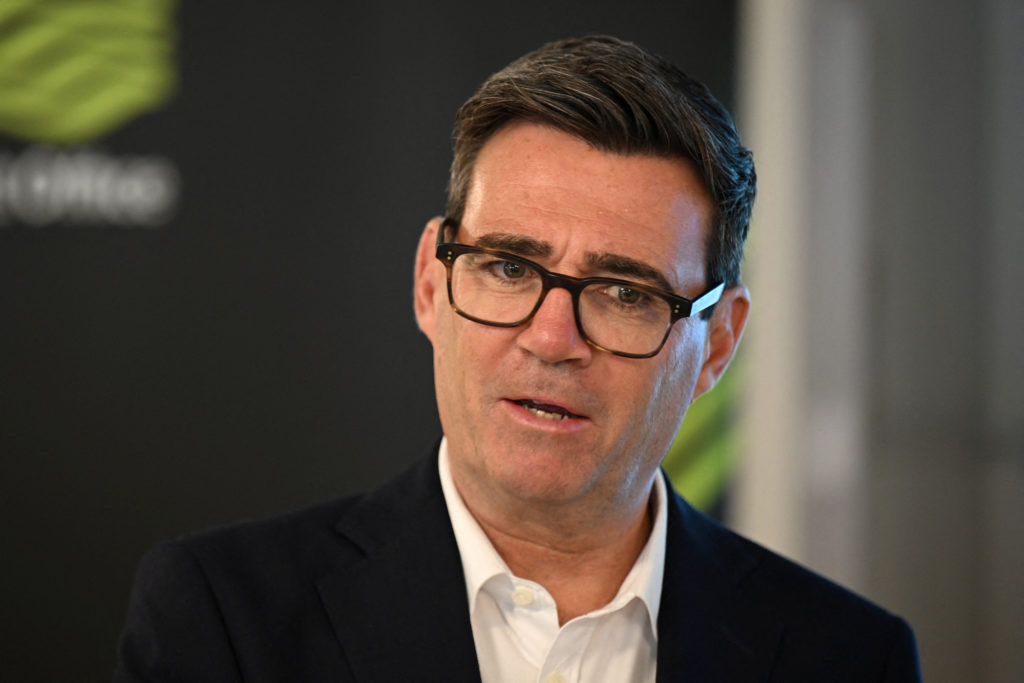
Britain’s Prime Minister Andy Burnham has called for a period of national reflection following the sudden death of Jason Arday, a prominent academic who resigned from his position at the University of Cambridge earlier this month. Arday, who was found dead in south London on Friday, had become the center of a fierce public controversy involving allegations of plagiarism and questions regarding the accuracy of his personal and professional history. The Prime Minister described the event as a tragedy on multiple levels, emphasizing that the moment requires careful consideration rather than hasty conclusions about how such a situation unfolded.
Arday, aged 41, was pronounced dead at the scene by police, who classified the death as unexpected but not suspicious. He had stepped down from his role as professor of sociology of education just days prior, after weeks of intense media scrutiny. The resignation came amid growing pressure following reports that significant portions of his 2015 doctoral thesis contained passages identical or near-identical to earlier work by another researcher. Additionally, British newspapers raised doubts about several claims Arday had made regarding his athletic achievements and fundraising efforts, including statements that he had raised millions for charity through extreme endurance feats.
The circumstances surrounding Arday’s death have ignited a polarized debate across the United Kingdom. His family, speaking through his publisher, stated that Arday was subjected to a sustained campaign of harassment and misinformation since taking up his post at Cambridge. They expressed shock at the loss of a father, partner, and brother, suggesting that the intensity of the public scrutiny contributed to his distress. A friend reported receiving a voice note from Arday earlier on the day of his death, in which he indicated he felt unable to continue coping with the loss of his career and reputation.
Supporters of Arday argue that the allegations against him were amplified into a cruel public takedown motivated by racism and a broader hostility toward diversity, equity, and inclusion policies in higher education. Daniel Kebede, general secretary of the National Education Union, characterized the media response as a tirade of racism that turned an individual into a symbol for right-wing critiques of DEI initiatives. Simon Baron-Cohen, a Cambridge professor and director of the Autism Research Centre, noted that Arday was being subjected to relentless ridicule and discrediting of every detail of his life, which he was not equipped to handle.
Conversely, critics have pointed to legitimate concerns regarding academic integrity and institutional oversight. Nathan Cofnas, a former Cambridge philosophy researcher who left the university after criticizing DEI programs, initially raised public questions about Arday’s qualifications. This prompted further investigation into Arday’s claims, including his assertion that he had overcome developmental delays that left him non-verbal until age 11. While Arday denied plagiarism, he admitted to making mistakes during his doctoral work. He also revised previous claims regarding the scale of his charitable fundraising and athletic accomplishments.
The University of Cambridge has faced significant backlash for its handling of the situation. Initially, the institution stood by Arday, noting that plagiarism allegations had been investigated by Liverpool John Moores University, which awarded his doctorate. However, following new information about his qualifications and honorary appointments, Cambridge reversed its stance and opened an investigation into the circumstances surrounding his employment. Vice Chancellor Deborah Prentice expressed deep sadness over Arday’s death and confirmed that the university would conduct a review of how it hires senior staff.
Dozens of Cambridge academics signed a letter calling for an independent inquiry into Arday’s appointment, highlighting concerns about whether the university made the right decision in placing him in such a high-profile role. The incident has exposed deep fissures within British academia regarding meritocracy, diversity initiatives, and the responsibilities of institutions to verify credentials. While some view Arday as a victim of a coordinated attack on progressive values, others see the episode as a necessary correction of flawed hiring practices that prioritized identity over rigorous academic standards.
As the investigation proceeds, the broader implications for higher education in the UK remain unclear. The case has underscored the volatile intersection of media scrutiny, social media amplification, and institutional reputation management. With no immediate resolution in sight, stakeholders are left to grapple with difficult questions about accountability, the limits of public criticism, and the support systems available to academics facing intense professional challenges. The Prime Minister’s call for reflection suggests that the nation is still processing the complex layers of this tragedy.
Sources behind this briefing
Go to the original reporting
- PBS NewsHour↗UK's leader calls for reflection after the death of former Cambridge professor accused of plagiarism

