The short version
- Major UK hospitality chains and independent venues have banned Meta smart glasses to prevent unauthorized filming of patrons and staff.
- Despite manufacturer claims that hardware safeguards like indicator lights ensure transparency, users report instances of covert recording and harassment.
- The ban reflects a broader tension between the rapid adoption of wearable technology and the public's desire for privacy in social spaces.
A growing number of hospitality venues across the United Kingdom are enforcing strict bans on Meta’s smart glasses, citing significant concerns over customer privacy and the potential for unauthorized surveillance. The prohibition extends from high-end dining establishments to popular pub chains and major theater groups, marking a notable shift in how physical spaces regulate personal technology. This move comes as the company attempts to normalize the widespread use of wearable cameras, aiming for the same level of public acceptance seen with tablets and smartwatches.
The backlash has been swift among industry leaders who view the devices as an intrusion into private social interactions. Jeremy King, a prominent restaurateur operating several London venues, stated that he would not permit any invasion of guest privacy beyond natural observation. Similarly, Soho House, a network of private members’ clubs, confirmed that guests wearing the recording eyewear will be asked to remove them, aligning with their existing policies against filming within their spaces.
Large-scale operators are also taking a firm stance. Tim Martin, chief executive of the Wetherspoons pub chain, described the glasses as breaching common sense and standard codes of conduct regarding consent. He compared the issue to previous efforts to stop audible video playback in pubs, noting that both practices invade personal space. Under this policy, customers are expected to disable camera functions or remove the devices entirely while on the premises.
The entertainment sector has joined the restriction trend as well. ATG Theatres, which manages venues including the Bristol Hippodrome and Edinburgh Playhouse, announced that filming is prohibited during shows. Patrons wearing the smart glasses will be required to take them off before performances begin. These measures highlight a coordinated effort across different sectors of the hospitality industry to maintain an environment where individuals feel secure from being recorded without their knowledge.
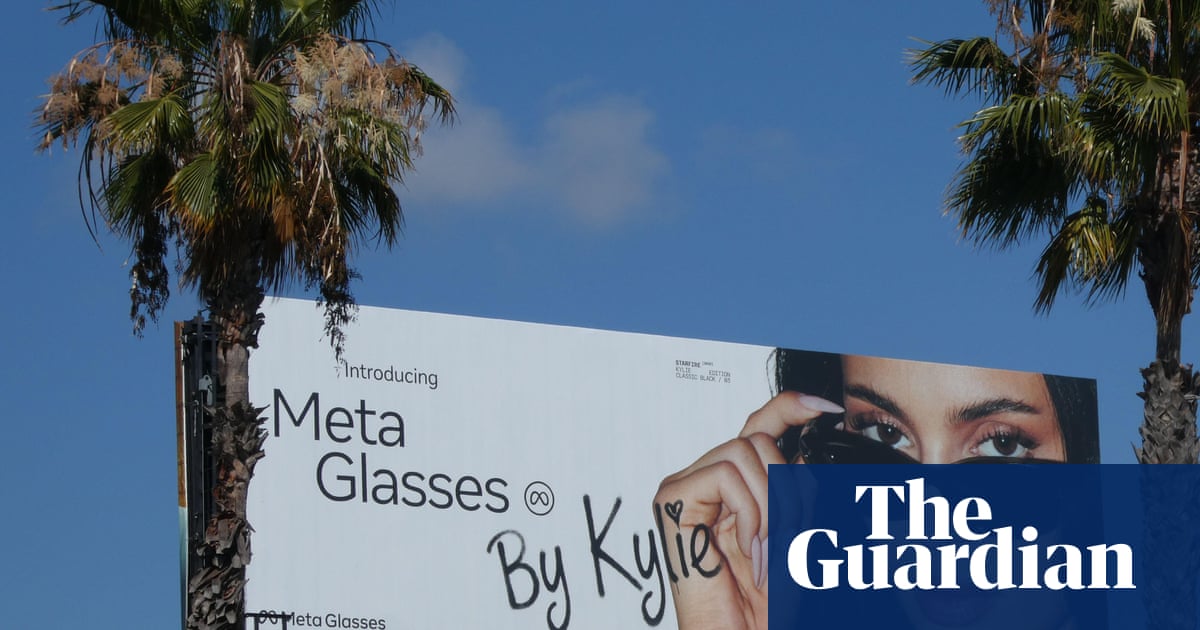
The controversy centers on the design and functionality of the eyewear, which resembles standard fashion accessories but contains embedded cameras. Meta promoted the latest model, designed in collaboration with celebrity Kylie Jenner, as a way for users to stay present in the moment without looking down at smartphones. However, critics argue that the discreet nature of the devices makes it difficult for others to know when they are being filmed, leading to widespread anxiety about consent.
Meta maintains that robust privacy safeguards are built into the hardware. The company points to a small LED light that flashes whenever the camera is active, asserting that this indicator cannot be disabled or covered without rendering the camera useless. A spokesperson emphasized that trust is central to their product design and highlighted other features like live translation and hands-free calling as primary use cases for consumers.
Despite these technical assurances, reports of misuse have surfaced. Some users have complained about being recorded without prior knowledge, with incidents ranging from unwanted filming in public spaces to more severe cases involving sexual encounters. In one reported instance, a woman alleged that a man recorded her and subsequently demanded payment to remove the footage from social media platforms. These anecdotes have fueled public skepticism regarding the effectiveness of Meta’s privacy protections.
Social media platforms are also responding to the influx of nonconsensual content. Instagram head Adam Mosseri stated that the platform is actively removing videos that harass individuals or exploit them, particularly those involving pickup attempts filmed with the glasses. This crackdown indicates a recognition by tech companies that the hardware’s capabilities can facilitate harmful behavior if not strictly moderated.
The debate is not entirely one-sided. Some business owners, such as Michelin-starred chef Tom Kerridge, have expressed openness to the technology. He argued that filming has become part of everyday life and suggested that the devices could be used creatively rather than negatively. Nevertheless, the prevailing trend among UK venues suggests that the desire for privacy currently outweighs the potential benefits of wearable recording technology.
With sales of the smart glasses tripling over the last year to exceed seven million units worldwide, the conflict between technological adoption and personal privacy rights is likely to intensify. As more people integrate these devices into their daily lives, businesses and policymakers will face increasing pressure to define clear boundaries for acceptable use in public and private spaces.
Sources behind this briefing
Go to the original reporting
- The Guardian US↗Restaurants, pubs and theatres ban Meta’s ‘spy glasses’ over privacy fears

