The short version
- The number of indefinite leave to remain grants for Turkish nationals fell by 78 percent in the first half of 2026 compared to the same period last year.
- Critics point to refusal letters containing factual errors and invented requirements, such as demands for social media presence, as evidence of systemic failure.
- Former Foreign Secretary David Lammy has urged an urgent review of Home Office practices, citing devastating impacts on constituents who have followed established rules.
A significant increase in the rejection of residency applications from Turkish nationals has triggered serious concerns within the UK political sphere regarding potential administrative failures at the Home Office. Since the beginning of the year, there has been a marked rise in denied requests for indefinite leave to remain among individuals holding visas under the European Community Association Agreement. This route has long served as a primary pathway for Turkish citizens seeking to establish businesses and secure permanent residency in Britain.
Data obtained from the department reveals a dramatic contraction in successful outcomes for these applicants. Between January and June 2025, nearly 3,400 ECAA applicants were granted settlement status. In the identical timeframe during 2026, that figure collapsed to just 745 approvals, representing an 78 percent decrease. Concurrently, the volume of applications undergoing administrative review has surged, jumping from 145 cases in 2025 to 395 between January and mid-August of this year, indicating a growing backlog of disputed decisions.
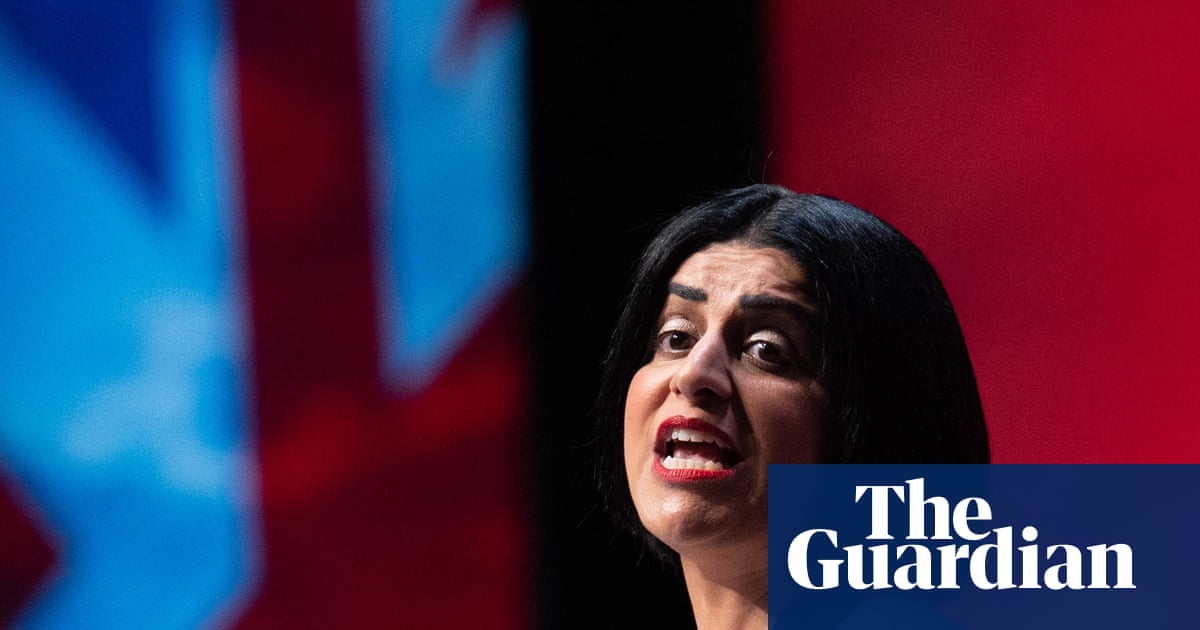
The timing of this shift appears linked to policy announcements made by Home Secretary Shabana Mahmood at the Labour conference in September 2025. At that event, she outlined proposals for stricter conditions on those seeking leave to remain, stating that solving the immigration crisis might require questioning long-standing legal assumptions. While the Home Office maintains that no formal rules have changed, observers note that the practical application of guidelines seems to have hardened significantly for applications lodged after that period.
Legal professionals handling these cases report that previous standards regarding compassionate circumstances are no longer being applied with the same discretion. Applications submitted since late 2025 are facing prolonged delays, often exceeding the standard six-month processing window. Lawyers indicate that cases which would have been routinely approved in prior years are now encountering heightened scrutiny and frequent refusals based on interpretations that appear inconsistent with earlier departmental guidance.
Specific instances of refusal letters highlight what critics describe as basic errors and fabricated criteria. In one documented case, an applicant was denied permanent residency because his window-cleaning business lacked a social media presence, despite no such requirement existing in official regulations. Another refusal incorrectly claimed the applicant failed to provide complete bank statements, a factual error that contributed to the initial denial before it was eventually overturned upon review.
The human impact of these decisions has drawn particular attention from lawmakers representing constituencies with large Turkish-speaking populations. David Lammy, the Member of Parliament for Tottenham, stated that he has received numerous accounts from constituents whose lives have been severely disrupted by what appears to be a sudden policy shift. He emphasized that many of those affected have built families and businesses in the UK while adhering to established rules.
One poignant example involves a woman who began cancer treatment in Turkey after being diagnosed during a trip in the pandemic, when NHS services were restricted. Her application was rejected on the grounds that she chose to seek care abroad, ignoring medical advice that transferring treatment carried significant clinical risk. Despite a subsequent review, the Home Office maintained its decision, instructing her and her three young children to leave the United Kingdom.
Another applicant was denied residency because absences from the UK to visit her father, who suffers from terminal Alzheimer’s disease, were deemed not urgent enough. The department argued that the condition had been known for several years, thus failing to meet the threshold for an unforeseen situation. These cases illustrate a broader pattern where personal tragedies are being weighed against rigid interpretations of absence rules.
Lammy has drawn explicit parallels between these current events and the Windrush scandal, urging the Home Office to revisit lessons learned from that historical failure. He described the situation as entirely unacceptable and called for justice for the Turkish-origin community in Britain. The comparison underscores fears that systemic errors and a lack of empathy in immigration processing could lead to similar injustices if not addressed promptly.
As administrative reviews continue to mount, the pressure on the Home Office to clarify its stance intensifies. The discrepancy between official claims of unchanged rules and the lived experience of applicants suggests a de facto policy shift that has yet to be formally acknowledged. Stakeholders are now watching closely to see whether the department will adjust its approach or if further legal challenges will emerge from this growing controversy.
Sources behind this briefing
Go to the original reporting
- The Guardian World↗‘Windrush’ accusations over sharp rise in Turkish nationals facing removal from UK


