The short version
- The United Kingdom has suspended financial payments to Mauritius regarding the Chagos Islands treaty after President Trump publicly rejected the agreement.
- British officials state that progress is impossible without US support, citing Trump's objection to the transfer of sovereignty as a fundamental barrier.
- Despite the current stalemate, London maintains that resolving the dispute remains a high priority to secure the long-term viability of the Diego Garcia military installation.
The United Kingdom has effectively paused its diplomatic and financial commitments regarding the Chagos Islands, acknowledging that a previously agreed-upon treaty with Mauritius cannot proceed without the endorsement of the United States. This development marks a significant setback for British foreign policy efforts to resolve long-standing sovereignty disputes in the Indian Ocean while preserving strategic military access. The impasse stems directly from President Donald Trump’s explicit rejection of the deal, which he characterized as disastrous during recent international engagements.
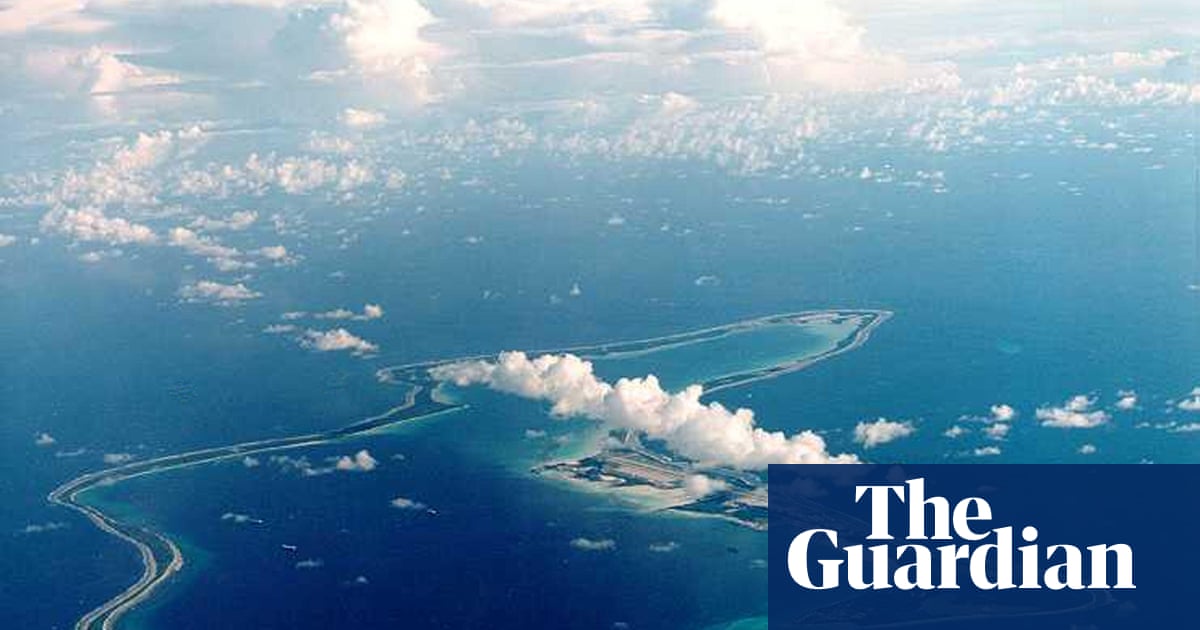
Under the agreement signed last year, the UK was set to transfer sovereignty over the Chagos archipelago to Mauritius. In exchange, Britain would retain control of the joint military base on Diego Garcia through a ninety-nine-year lease arrangement. The financial component of the treaty included an initial payment of £165 million spread over three years, followed by annual payments of £120 million starting in the fourth year. These funds were intended to compensate Mauritius for the loss of territorial control while ensuring continued cooperation on security matters.
However, UK Defence Secretary Wes Streeting confirmed that these payments are now on hold. He emphasized that the current structure of the deal is unworkable without American backing. Streeting noted that any viable path forward must secure the agreement of three parties: the British government, the Mauritian government, and the United States. The suspension of funds reflects a pragmatic assessment that proceeding without US support would undermine the strategic objectives of the treaty.
President Trump voiced his opposition during a meeting with UK Prime Minister Keir Starmer at the United Nations General Assembly in New York. He described the arrangement as terrible and ridiculed the concept of Mauritius asserting ownership after decades of non-involvement. Trump’s comments signaled a sharp departure from previous US support for the plan, which had been cultivated under earlier administrations. His skepticism appears rooted in the core principle of transferring sovereignty, a move he views as legally and historically problematic.
The deterioration of relations between London and Washington has contributed to this deadlock. Officials suggest that Trump’s change of heart coincides with broader tensions regarding UK support for US military actions in Iran. While Prime Minister Starmer expressed confidence in finding a resolution, insiders within the British government admit that progress is unlikely unless the US president alters his stance. One official stated that until Washington changes its mind, there will be no movement on the issue.
Despite the current standstill, British leaders insist that the Chagos dispute remains a priority. They argue that ignoring the problem would jeopardize one of the UK’s most sensitive national security assets. The Diego Garcia base is strategically vital for military operations in the Indian Ocean and beyond. Consequently, the government views a diplomatic solution as essential to maintaining long-term access and legitimacy.
The situation presents a complex challenge for British diplomats who must balance sovereignty concessions with strategic imperatives. Previous attempts by multiple prime ministers and foreign secretaries have failed to finalize an agreement that satisfies all stakeholders. The current administration faces the difficult task of renegotiating terms that might appease Trump without alienating Mauritius or compromising national security interests.
Looking ahead, the UK government has indicated that it will not abandon efforts to resolve the dispute. However, the timeline for any breakthrough remains uncertain. With no immediate signs of flexibility from the White House, British officials are likely to focus on maintaining dialogue while exploring alternative diplomatic avenues. The outcome will have significant implications for regional stability and the future of US-UK military cooperation in the Indo-Pacific region.
The suspension of payments and the public rejection by the US president highlight the fragility of international agreements dependent on bilateral support. As the UK navigates this diplomatic hurdle, it must carefully manage expectations in Mauritius while addressing the strategic concerns raised by Washington. The resolution of this issue will test the resilience of the special relationship between London and New York.
In summary, the Chagos Islands deal is currently frozen due to US opposition. The UK has halted financial transfers and acknowledged that progress requires a shift in American policy. While the government remains committed to finding a solution, the path forward is obstructed by fundamental disagreements over sovereignty and strategic priorities.
Sources behind this briefing
Go to the original reporting
- The Guardian US↗No signs Chagos deal can be adapted to suit Trump, say UK officials

