The short version
- The Green Party of England and Wales has voted to remove its blanket opposition to nuclear fission, allowing representatives to assess projects individually.
- Party leadership emphasizes that renewable energy remains the priority, with nuclear viewed only as a transitional tool for baseload power during the shift to a green grid.
- The decision faces criticism from some experts who argue renewables and storage are more cost-effective, while supporters cite the urgency of the climate crisis.
The Green Party of England and Wales has executed a significant reversal in its long-standing energy platform by voting to end its absolute opposition to nuclear power. At a recent party conference, members adopted a motion that removes the previous commitment to phase out nuclear fission technology entirely. This development represents a major shift in the political landscape of British environmentalism, moving the party away from a rigid ideological stance toward a more pragmatic assessment of low-carbon energy options.
Under the new policy framework, elected representatives are no longer bound by a blanket ban on nuclear energy. Instead, they are empowered to evaluate individual nuclear projects on a case-by-case basis, weighing them alongside other low-carbon technologies. The party’s core electricity generation strategy continues to prioritize offshore wind, onshore wind, and rooftop solar as the primary sources of power. However, the updated guidelines permit support for new reactors if specific proposals meet certain criteria regarding cost, speed, and environmental impact.
Carla Denyer, a Green Member of Parliament, articulated the rationale behind this evolution, noting that nuclear energy currently plays a role in the national grid while the country transitions toward a system based primarily on renewables. She argued that maintaining existing nuclear stations could serve as a low-carbon option, particularly because a substantial portion of their carbon footprint is incurred during construction rather than operation. Denyer suggested an evidence-based approach would involve keeping current plants running while scrutinizing new proposals carefully.
This position marks a distinct departure from statements made by party figures in recent years. In 2023, Denyer characterized nuclear energy as incredibly slow and expensive, asserting that renewables were the only viable path forward during the climate emergency. Similarly, party leader Zack Polanski has previously dismissed new nuclear investments as outdated, comparing them to creating fax machines in the digital age. The shift allows these leaders to adopt a more nuanced position without abandoning their core environmental values.
The previous opposition to nuclear fission was deeply rooted in the party’s founding principles, which included a staunch stance against nuclear weapons. However, proponents of the new motion argue that the severity of the climate crisis necessitates a willingness to consider all available mitigation strategies. Eugene McCarthy, a co-founder of Greens for Nuclear and a supporter of the change, stated that the urgency of the situation demands ruling out fewer options, even if historical concerns like Chernobyl remain relevant.
Critics within and outside the party have expressed skepticism about the move. Professor Andrew Stirling, who has advised the government on energy policy, described the decision as completely irrational. He questioned why a party that pioneered valid concerns about nuclear power would shift its position now, arguing that authoritative sources agree climate action is faster and more affordable when combining renewables with storage solutions. Stirling emphasized that scarce resources should not be spent on less effective actions.
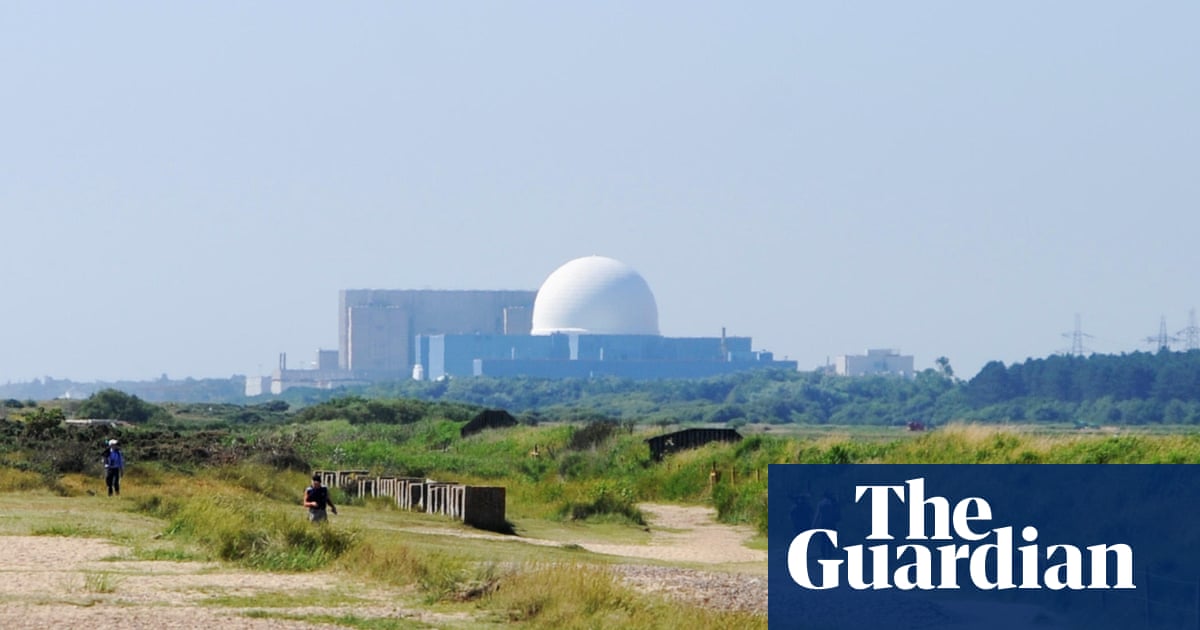
Despite the criticism, supporters maintain that nuclear energy addresses specific challenges related to baseload power generation. McCarthy noted that while renewables are cheaper and have greater capacity for rapid rollout, they face intermittency issues that nuclear can help mitigate. The new policy does not commit the party to backing all new nuclear projects but allows MPs to extend the lifetime of existing facilities like Sizewell B if the numbers justify it.
The implications of this policy change extend beyond internal party dynamics, potentially influencing broader national energy debates. As the UK seeks to meet its net-zero targets, the Green Party’s willingness to engage with nuclear options may open doors for cross-party cooperation on energy infrastructure. However, the tension between ideological purity and practical necessity remains a central theme in the ongoing discussion about how best to address the climate emergency.
Looking ahead, the party will need to navigate the complexities of implementing this new approach. Elected representatives must now balance their commitment to renewable expansion with the potential benefits of nuclear stability. The success of this strategy will depend on careful evaluation of individual projects and continued emphasis on reducing overall carbon emissions through a diversified energy mix.
Sources behind this briefing
Go to the original reporting
- The Guardian World↗Green party drops longstanding opposition to nuclear power