The short version
- Government insiders indicate the Rosebank oilfield can be approved without violating UK emission targets since emissions from exported oil count toward other nations' budgets.
- Energy Secretary Miatta Fahnbulleh faces pressure from Treasury officials who have already budgeted for significant tax revenues from the project, while climate campaigners urge a rejection.
- A 2024 court ruling required ministers to consider downstream burning emissions, but experts note these do not legally bind the UK under current international agreements.
The United Kingdom government is navigating a complex internal debate over whether to approve the Rosebank oilfield in the North Sea, with insiders indicating that the project can proceed without breaching national emission targets. This assessment provides political cover for cabinet members advocating for approval, particularly those focused on economic stability and tax revenue. The central argument rests on the technicality that once oil is exported, the carbon dioxide released from its combustion is attributed to the importing countries rather than the UK’s domestic carbon budget.
This interpretation has created a distinct divide within the government. Energy Secretary Miatta Fahnbulleh had previously signaled a leaning toward rejecting the project, citing concerns about climate impact. However, she faces mounting pressure from Chancellor John Healey and other colleagues who view the approval as essential for fiscal health. The Treasury has already incorporated an estimated £500 million in annual tax revenue from the field into its financial planning by the end of the current parliament. Rejecting the project would create a significant shortfall in these projected funds, according to sources close to the finance department.
The legal framework surrounding the decision stems from a 2024 judicial ruling that invalidated previous environmental consent for Rosebank. The court determined that ministers had failed to properly account for emissions generated by burning the extracted oil, not just those produced during drilling operations. While this ruling forced a fresh evaluation, it did not prohibit approval outright. Instead, it required a more rigorous assessment of how the project aligns with Britain’s obligations under the Paris Agreement and its domestic carbon budgets.
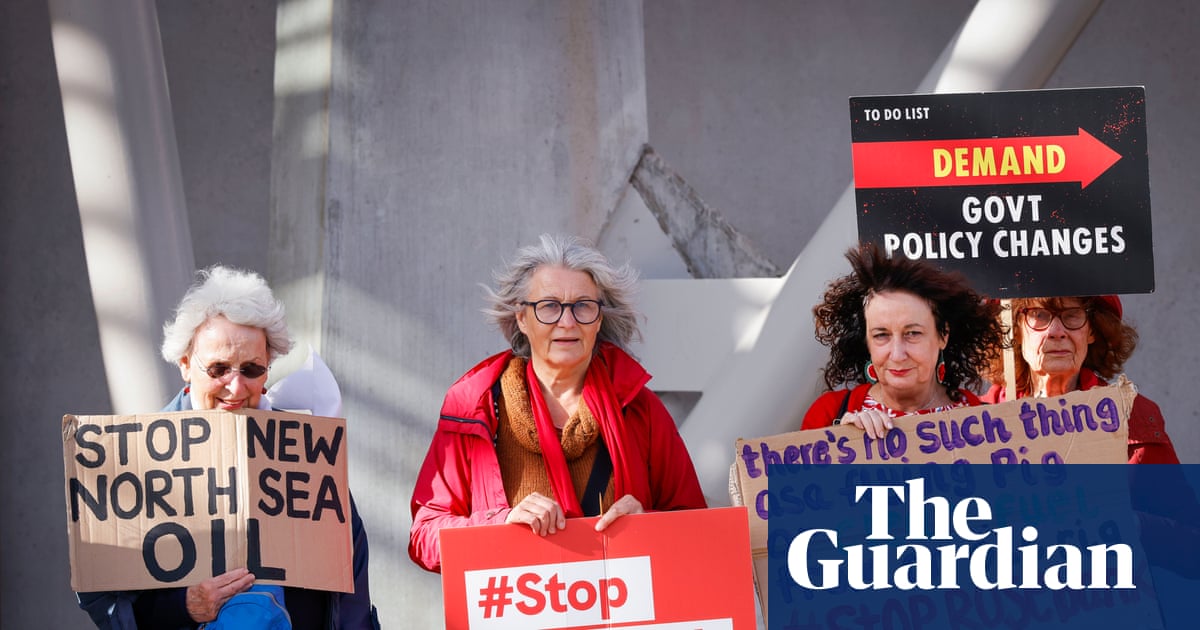
Climate experts and campaigners have expressed strong opposition to any new fossil fuel extraction in the North Sea. Organizations such as Greenpeace and Friends of the Earth have written to the prime minister, urging him to consider the cumulative environmental impact of major infrastructure decisions, including North Sea drilling and airport expansions. They argue that viewing these projects in isolation ignores their collective contribution to global warming. Critics contend that approving Rosebank undermines the UK’s leadership position on climate change, particularly as a G7 nation committed to limiting temperature rises.
Despite the political and environmental controversy, some analysts note that the legal risks for the government are minimal. Greg Muttitt, a climate researcher at University College London, acknowledged that while approving Rosebank would be environmentally detrimental, it would not likely result in international legal repercussions. He pointed out that because most of the oil will be exported, the resulting emissions fall outside the scope of the UK’s firm commitments under current treaties. This technical distinction allows the government to argue that the project is consistent with its stated climate goals, even if it contradicts the spirit of net-zero ambitions.
The scale of potential emissions remains a point of contention. Experts estimate that Rosebank could generate approximately one million additional tonnes of carbon dioxide by 2042. While this figure represents a fraction of the UK’s overall carbon budget limit of 90 million tonnes, opponents argue that any new fossil fuel infrastructure is incompatible with long-term climate safety. Supporters counter that the direct emissions from extraction are relatively small compared to the broader economic benefits, including job creation and investment in regional industries.
Political dynamics within the Labour Party further complicate the decision. Scottish Labour MPs are reportedly overwhelmingly supportive of approving the oilfield, aligning with the prime minister’s recent rhetoric on reindustrialization and pragmatic energy policy. The prime minister has framed North Sea development as part of a broader strategy to boost domestic industry, particularly in regions like Scotland where such projects have historical significance. This political support contrasts sharply with the stance of Green Party members and some Labour backbenchers who view new oil developments as a step backward from climate priorities.
Fahnbulleh’s final decision will hinge on balancing these competing interests. In her recent approval of the smaller Jackdaw gasfield, she cited national energy security as a primary justification. However, allies suggest she views Rosebank differently, noting that the same security arguments do not necessarily apply to this larger project. The Treasury’s reliance on projected tax revenues adds urgency to the timeline, while environmental groups warn that approving Rosebank could set a precedent for future fossil fuel expansions. The outcome will signal whether the government prioritizes immediate fiscal gains or long-term climate commitments.
As the deadline approaches, the debate highlights the broader challenge of reconciling economic realities with environmental imperatives. The technical loophole allowing exported emissions to be excluded from national targets offers a legal pathway for approval but fails to address the moral and strategic questions raised by climate advocates. Whether Fahnbulleh sides with the Treasury’s fiscal needs or heeds the warnings of environmental experts will define the UK’s approach to energy policy in the coming years. The decision also sets a precedent for how future projects involving exported resources are evaluated under international climate agreements.
Observers note that the government’s stance may influence global perceptions of its climate leadership. While no immediate legal penalties are expected, the symbolic weight of approving a major new oilfield could affect diplomatic relations and domestic public opinion. The interplay between legal technicalities, economic pressures, and environmental ethics creates a high-stakes scenario for policymakers. Ultimately, the Rosebank decision will reflect how the UK navigates the tension between short-term financial benefits and long-term sustainability goals in an era of increasing climate scrutiny.
Sources behind this briefing
Go to the original reporting
- The Guardian World↗Rosebank oilfield would not breach UK emission targets, say government insiders